
The influence of the environment on the effectiveness of pet training
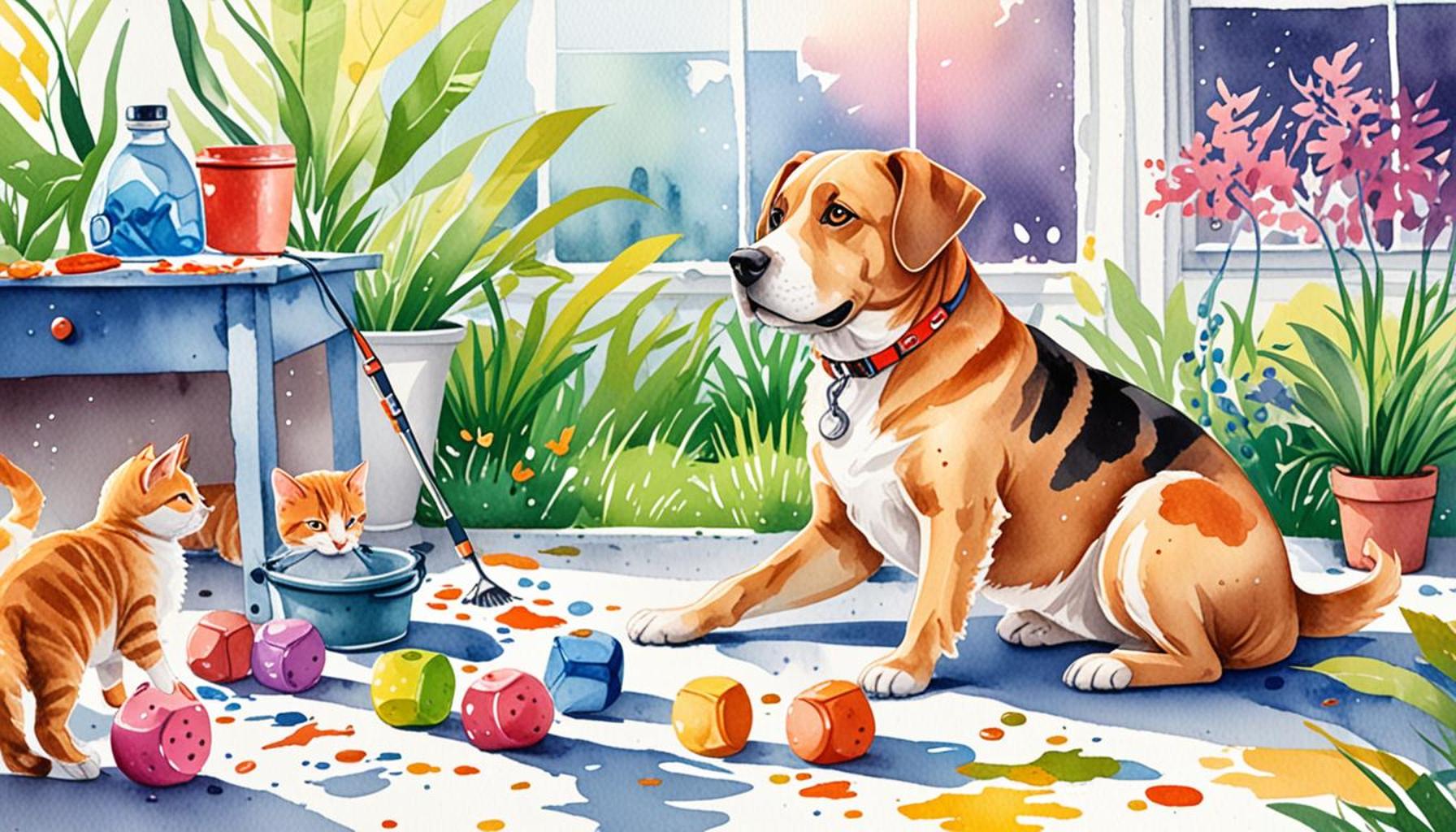
Understanding the Impact of Environment on Pet Training
The surrounding environment plays a crucial role in shaping the outcomes of pet training. From natural distractions to various stimuli, it can significantly affect how pets respond to training methods. Recognizing these factors can lead to more effective techniques tailored to individual pets. The importance of the training environment cannot be overstated; it can dictate not only how well a pet learns but also how they behave in different contexts.
Consider several elements that directly influence training effectiveness:
- Distractions: Noise, other animals, and even people can divert a pet’s attention away from training. For instance, a dog attempting to learn commands in a bustling city park may be distracted by other dogs barking, joggers passing by, or the sound of children playing. These distractions can frustrate both the pet and the owner, highlighting the importance of selecting the right location for training sessions.
- Space: A cluttered or small area may hinder a pet’s ability to learn and concentrate. Training in an open area where a pet can move freely allows for the incorporation of various commands, from sit and stay to more complex agility training. Conversely, trying to train a large dog in a cramped apartment may lead to stress and confusion.
- Comfort level: Pets that feel secure in their environment are more likely to engage and respond positively. For example, a cat that feels safe in its home may be more amenable to clicker training in its favorite sunny spot than in an unfamiliar, noisy space.
Further, different types of environments may yield varying results:
- Home vs. Public Spaces: Training at home might offer fewer distractions compared to a busy park. A simple sit command may be mastered quickly at home but require more time to achieve in a public setting filled with intriguing smells and sights.
- Indoor vs. Outdoor Settings: Weather and natural elements can change behavior in outdoor training. For example, training a dog on a wet, rainy day might lead to slippages and lack of focus, while sunshine might invigorate them, leading to higher participation and enthusiasm.
- Social Settings: Interaction with other pets or humans can either stimulate or inhibit learning. In a group training class, a shy dog might take cues from more assertive dogs, enhancing their learning experience, while an overly excited dog might become a distraction to their own training.
By understanding the connection between the environment and training effectiveness, pet owners can create a more conducive atmosphere for their pets. This awareness is key to enhancing their pet’s learning journey and strengthening their bond. In practice, pet owners might experiment with different locations and times to observe how their pets respond to varying environments. Utilizing quieter parks during off-peak hours or setting up an obstacle course at home can drastically improve focus and engagement during training sessions.
The integration of environmental considerations into pet training strategies can foster not only successful training outcomes but also a more joyous experience for both pets and their owners. Ultimately, a well-planned environment sets the stage for pets to thrive, turning learning into a positive and rewarding adventure.
LEARN MORE: Click here to discover essential pet dental care tips
Key Environmental Factors Influencing Pet Training
When delving deeper into the realm of pet training, it’s essential to consider the specific components of an environment that can either enhance or impede a pet’s learning process. Building a comprehensive understanding of these environmental factors will aid pet owners in crafting more effective training sessions. Below are some significant components to explore:
- Avoiding Overstimulation: An environment that is too stimulating—filled with loud noises, vibrant colors, or an abundance of moving objects—can overwhelm a pet. A dog learning to fetch in a grassy field filled with children playing might struggle to focus. Gradually introducing training in less stimulating environments allows pets to build concentration and confidence.
- Consistency: The consistency of the training environment is vital. Transitioning training locales frequently can confuse pets. For instance, if a dog learns to sit at home but is taken to a park for command reinforcement, the change in surroundings may disrupt their recognition of cues. Implementing a consistent location for initial training stages helps anchor their understanding before progressing to more complex environments.
- Familiarity: Pets thrive in familiar surroundings. Training in a known location helps reduce anxiety and promotes a sense of safety. For example, a puppy learning leash manners in its own backyard may pick up the behavior more efficiently than in an unfamiliar dog park filled with the smells of new dogs and people. Familiarity fosters confidence, allowing pets to focus solely on learning.
In addition to these factors, it’s important to recognize how the diversity of environments can enhance training:
- Gradual Exposure: Introducing a pet to different environments gradually can be highly beneficial for their development. For instance, starting training indoors, then transitioning to a quiet backyard, and eventually moving on to busier outdoor spaces can help acclimate a pet to various distractions progressively. This strategy allows them to generalize their training across different contexts, ultimately leading to improved obedience.
- Real-World Scenarios: Incorporating training in diverse settings simulates real-world applications. When a dog learns commands in a quiet living room, they may not behave the same way during a neighborhood walk. Practicing commands amidst the distractions of everyday life can reinforce their learning and improve their behavior when it truly counts.
- Impact of Change in Routine: Sudden changes in the environment can have an immediate effect on a pet’s behavior and responsiveness to training. For example, relocating to a new home can unsettle pets and disrupt their training routines. Pet owners should be aware of such transitions and allow time for pets to adjust before resuming training.
In summary, by grasping the intricacies of how environment influences pet training, owners can create a structured training plan that considers their pet’s needs and the specific challenges different environments pose. Recognizing these key factors can bridge the gap between merely teaching commands and fostering lasting behavioral changes. Engaging with the environment thoughtfully translates into not just a successful training experience, but also a deeper bond between pet and owner.
| Category | Impact on Training |
|---|---|
| Natural Settings | Training in a natural environment enhances a pet’s ability to learn through distraction-free experiences, utilizing sensory stimulation. |
| Social Interactions | The presence of other animals and humans in the environment can provide valuable social cues, further facilitating learning and encouraging positive behavioral responses. |
| Environmental Consistency | Maintaining a consistent training environment aids pets in understanding commands better, which leads to improved retention of learned behaviors. |
| Availability of Space | Having a spacious area allows for more dynamic training scenarios that can effectively challenge pets and improve their responsiveness. |
When considering the role of the environment in pet training, it’s crucial to recognize the profound impact that various aspects can have on the training process. Natural settings often provide a distraction-free space, conducive to learning. The diversity of stimuli found outdoors can sharpen a pet’s focus, enhancing their training experience. Additionally, the influence of other animals and humans present in a training setting can further amplify social learning opportunities. This encourages pets to observe and mimic positive behaviors, which can be vital in reinforcing desired outcomes. A consistent training environment is essential as it allows for better retention of learned behaviors. The more predictable and stable the surroundings, the easier it becomes for pets to grasp commands and routines. Finally, having ample space for training helps create engaging and varied exercises, pushing pets to challenge their limits, thus improving their overall training effectiveness. Exploring how these environmental factors interrelate with training can vastly improve a pet’s learning journey.
DON’T MISS OUT: Click here for essential dental health tips
Environmental Considerations in Pet Training
Understanding the various facets of the training environment can significantly enhance the effectiveness of pet training. Beyond just maintaining consistency and familiarity, pet owners must dive deeper into spatial dynamics, social interactions, and various stimuli that influence training outcomes.
- Spatial Dynamics: The layout and design of an environment play a crucial role in pet training. Open spaces, such as parks, allow for freedom of movement, which is essential for activities like agility training or fetching. In contrast, confined spaces can lead to frustration and are not conducive to physical tasks. When choosing a training location, consider the activities intended; a game of fetch may be best suited for a wide, unobstructed area, while leash training could begin in a more restricted indoor setting.
- Socialization Opportunities: Socialization is critical for preventing behavioral issues and fostering well-rounded pets. Training in environments where other animals and people are present allows pets to learn appropriate behaviors in contexts they will regularly encounter. For example, taking a puppy to a pet-friendly café or a dog park can help them practice commands amidst distractions while honing their social skills. However, it’s essential to balance this with controlled exposure to avoid overwhelming them.
- Natural and Artificial Stimuli: Environmental stimuli, both natural and artificial, can shape pet behavior. Elements such as wildlife sounds, other pet interactions, and even weather conditions—like rain or snow—can influence a pet’s responsiveness to commands. It’s beneficial to incorporate training in varied weather conditions, as it prepares pets to behave appropriately regardless of external factors. For example, practicing recall commands during a windy day with leaves blowing can enhance a dog’s ability to focus despite distractions.
- Time of Day: The optimal time to train a pet significantly impacts its learning efficacy. Different times of day can present varying energy levels and distraction rates. Early mornings or late evenings may provide quieter environments with fewer distractions, making them perfect for focus-driven training. Monitoring the behavior of your pet at different times can help determine when they are most receptive to learning. A high-energy puppy may be less responsive during the midday heat but more alert during cooler hours.
Another vital aspect to consider is the emotional state of the pet, which is inherently tied to the environment:
- Emotional Security: Pets that feel secure and relaxed in their environment are more likely to engage positively in training. For example, a dog introduced to training experiences in a low-stress environment, like a cozy living room, is likely to be more receptive compared to a loud, bustling training class. It’s advisable to pay attention to your pet’s body language for signs of discomfort or anxiety that could impede training progress.
- Owner Interaction: The owner’s emotional state can also affect training outcomes. An anxious or distracted owner can inadvertently transmit stress to their pet, causing confusion during training sessions. Maintaining a calm and positive demeanor creates a conducive training atmosphere. Engaging in positive reinforcement with an upbeat tone can further enhance a pet’s enthusiasm for learning.
Recognizing and manipulating these environmental factors can profoundly affect pet training effectiveness. By adapting the training surroundings and being aware of your pet’s responses, a personalized training approach can lead to better obedience, enhanced learning, and a stronger bond between pet and owner.
DISCOVER MORE: Click here for nutritious snack options for your furry friends
Conclusion: Harnessing the Environment for Successful Pet Training
In summation, the training environment is integral to the effectiveness of pet training and can make the difference between success and frustration for pet owners. By considering factors such as spatial dynamics, social interactions, emotional security, and the influence of natural and artificial stimuli, pet owners can adopt a more holistic and informed approach to training. The importance of socialization opportunities cannot be overstated, as pets learn and adapt best in real-life situations where they encounter various distractions.
Moreover, timing and setting play crucial roles; training during periods when a pet is most receptive enhances learning outcomes. Pet owners must not only be aware of their pet’s emotional state but also manage their own demeanor to foster a positive atmosphere conducive to learning. Each training session becomes more effective when pets feel secure and engaged, leading to lasting behavioral changes.
By acknowledging and actively manipulating the environmental factors that influence pet training, owners can optimize their strategies and enhance the overall learning experience. Ultimately, this leads to a well-trained pet whose skills translate into daily life. It is imperative for pet owners to continually evaluate and adapt their training environments, ensuring that they remain effective, enjoyable, and supportive, thus laying the foundation for a strong partnership between pet and owner.

Linda Carter
Linda Carter is a writer and pet care expert specializing in pet health, grooming, and wellness. With extensive experience helping pet owners create safe, loving, and enriching environments for their animals, Linda shares her knowledge on our platform. Her goal is to empower readers with practical advice and strategies to ensure their pets thrive and lead joyful, healthy lives.