
The role of interactive toys in training and mental stimulation of pets
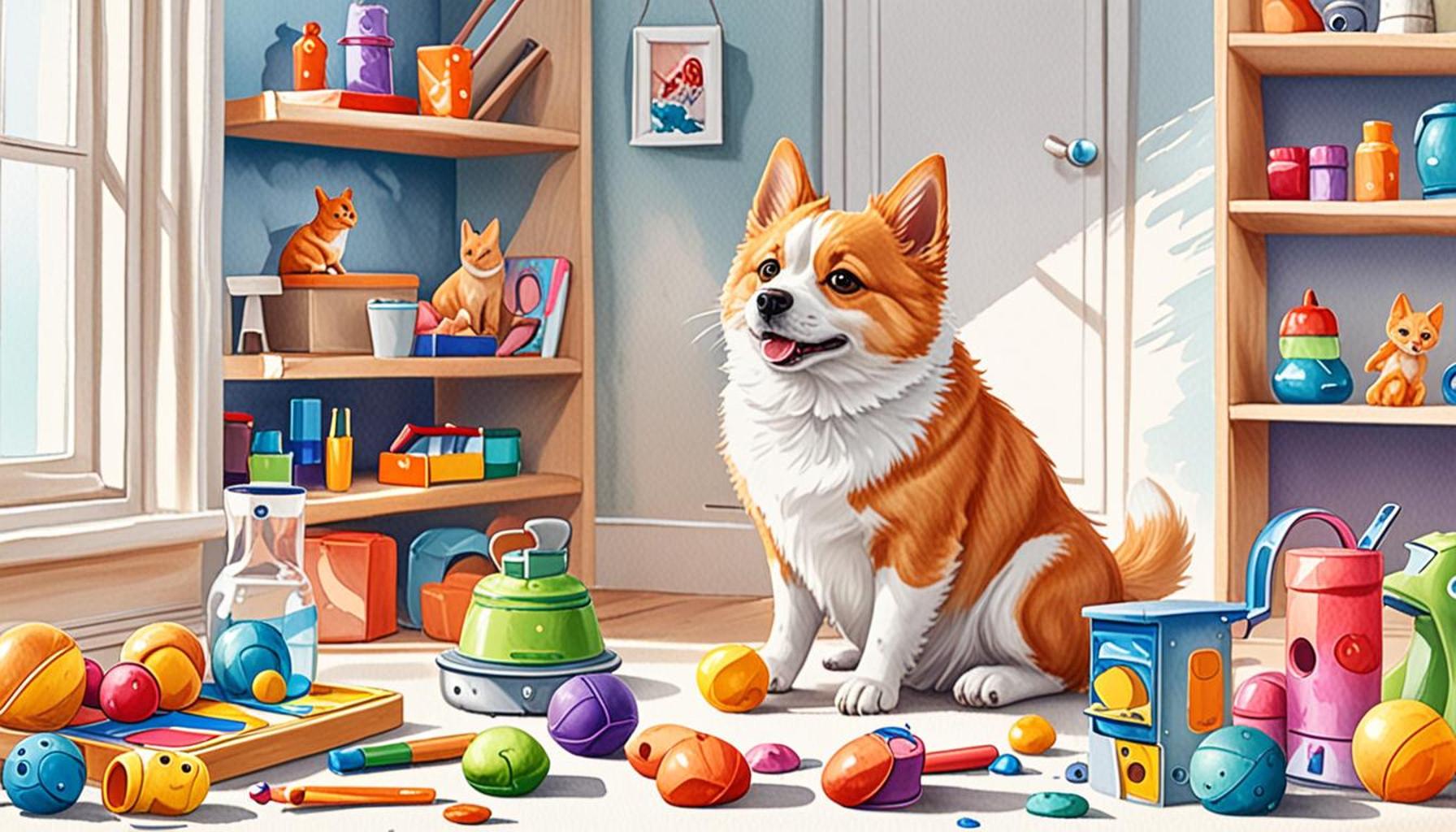
The Role of Interactive Toys in Pet Development
In the ever-evolving landscape of pet care, interactive toys have established themselves as essential tools that cater to the diverse needs of our furry companions. These ingenious products not only provide necessary entertainment but also significantly contribute to enhancing training and mental stimulation. The shift towards incorporating interactive play into pet care practices is more than just a trend; it reflects a growing understanding of the intricate bond between pets and their overall well-being.
The Necessity of Interactive Toys
Why have these toys become indispensable in modern pet ownership? Several compelling factors outline their importance:
- Mental Stimulation: Interactive toys challenge pets to think and solve problems, which is vital for their cognitive development. For instance, puzzle feeders require pets to figure out how to access their favorite treats, thereby exercising their minds. Such activities replicate the mental challenges they would encounter in the wild.
- Training Aid: Many toys are designed to aid in reinforcing training commands. For example, a clicker-compatible toy can reward pets for displaying desired behaviors, leading to effective behavior modification sessions. By integrating play into the learning process, pet owners can make training feel less daunting and more enjoyable for their pets.
- Combating Boredom: Destructive behaviors, such as chewing furniture or digging, often stem from boredom. Interactive toys provide an outlet for pent-up energy, ensuring that pets remain actively engaged. A simple ball with a built-in squeaker can capture a dog’s attention far longer than a traditional chew toy, preventing undesirable habits from taking hold.
Evidence of Positive Effects
Research supports the notion that pets engaged with interactive toys exhibit improvements in behavior and a reduction in anxiety. A study conducted by the American Psychological Association indicated that animals playing with interactive toys demonstrated lower stress levels and a propensity for social engagement. Pet owners nationwide, from urban environments in New York City to rural areas in Kansas, are increasingly acknowledging the impact of regular mental stimulation on their pets’ happiness.
Exploring the variety of Interactive Toys
As we dive deeper into this topic, it is essential to explore the various types of interactive toys on the market, including treat-dispensing toys, electronic toys that move unpredictably, and others that promote physical interaction. Understanding the unique benefits of each can help pet owners tailor their approach to meet their pets’ specific needs. For example, toys like the Kong Classic are known for their versatility, providing hours of engagement when stuffed with peanut butter or kibble.
The profound influence these toys can have on pets’ behavior is not just a matter of amusement; they represent an investment in the mental and emotional health of our beloved companions. Pet owners who embrace this concept will likely discover a deeper understanding of their pets and the joy that comes from a well-stimulated pet.
DISCOVER MORE: Click here for tips on getting your home ready for a new pet
The Importance of Mental Engagement in Pets
As pet owners increasingly seek ways to enrich their pets’ lives, interactive toys have emerged as a pivotal element in ensuring that our four-legged friends enjoy a balanced and stimulating environment. These toys, designed to engage pets mentally as well as physically, serve the dual purpose of entertainment and education. By understanding the crucial role these toys play, pet owners can significantly enhance their pets’ overall well-being.
The Benefits of Mental Stimulation
The mental health of pets is just as vital as their physical health. Interactive toys provide pets with opportunities to engage in problem-solving activities, crucial for cognitive growth. Here are some of the key benefits:
- Enhanced Problem-Solving Skills: Toys that require pets to unlock treats or navigate obstacles promote critical thinking. This is not merely play; it is a way for pets to develop skills that they would naturally hone in their wild environments.
- Improved Focus and Attention: Engaging with interactive toys encourages pets to concentrate, training them to follow commands and stay focused longer. This is particularly helpful for breeds known for their high energy and distractibility.
- Stronger Owner-Pet Bond: Shared playtime with interactive toys fosters stronger connections between pets and their owners. This interaction is vital not only for training but for mutual enjoyment and affection.
Choosing the Right Interactive Toys
Not all interactive toys are created equal, and selecting the right one can be a transformative experience for both pets and their owners. The variety available in today’s market allows for tailored experiences that cater to the unique preferences and abilities of each pet. Some popular types include:
- Puzzle Feeders: These toys challenge pets to work for their food, simulating a hunting experience that satisfies their instincts.
- Electronic Toys: Toys that move unpredictably engage pets with rapid movements, prompting them to chase and learn agility.
- Stuffable Toys: Items like the Kong can be filled with tasty treats, providing prolonged engagement and encouraging chewing, which is vital for dental health.
By investing in the right interactive toys, pet owners can create an environment rich in opportunities for mental stimulation. Not only do these toys contribute to a pet’s training process, but they also help in combating common behavioral issues triggered by boredom or lack of stimulation. As we delve further into the various interactive toys available, it becomes clear that the impact on a pet’s happiness and behavior cannot be overstated.
| Advantages | Interactive Toys |
|---|---|
| Enhanced Cognitive Skills | Interactive toys promote critical thinking and problem-solving in pets by requiring them to figure out how to access treats. |
| Improved Physical Health | Engaging with interactive toys encourages physical activity, helping combat obesity and maintain overall health. |
| Alleviating Behavioral Issues | By providing mental stimulation, interactive toys can significantly reduce destructive behaviors caused by boredom. |
| Strengthening Pet-Owner Bond | Using interactive toys during playtime fosters a stronger relationship through shared activities. |
Interactive toys serve an invaluable role in enhancing both the training and mental stimulation of pets. These specially designed products not only entertain but also challenge pets mentally and physically, addressing the essential needs of our furry companions. Dogs and cats, like any animals, thrive on stimulation; without it, they can become restless and develop behavioral problems. Furthermore, interactive toys often incorporate various forms of engagement, making playtime more rewarding and insightful. Toys that dispense treats or require pets to complete tasks can keep them engaged longer, all while providing essential exercise through active play. Indeed, investing in such toys can lead not only to a well-trained pet but also to a happier, healthier one. As pet owners explore options available on the market, they discover tools that nurture their pet’s innate curiosity and intelligence, benefitting both the animal and the owner in the journey toward better companionship.
DIVE DEEPER: Click here to uncover the emotional benefits of pet adoption
How Interactive Toys Aid in Behavioral Training
Beyond providing entertainment, interactive toys play a critical role in shaping and improving pets’ behaviors. By integrating these toys into training sessions, pet owners can foster desired behaviors while providing mental stimulation. The effects of utilizing interactive toys during training are profound and multi-faceted.
Positive Reinforcement Through Play
Interactive toys can serve as powerful tools for positive reinforcement, a technique widely endorsed by animal behaviorists. When pets engage with toys that reward them with treats or praise for correctly completing tasks, it encourages them to repeat those behaviors. This method not only enhances the pet’s learning experience but also makes training sessions enjoyable. For instance, puzzle toys that release treats when solved can be used to reward dogs for performing tricks or commands, further reinforcing the connection between obedience and fun.
Reducing Anxiety and Fear Through Engagement
For many pets, particularly those with anxiety issues, interactive toys can be a godsend. They occupy the pet’s mind and distract them from stressors in their environment. According to studies, animals that engage in problem-solving activities often display a decrease in anxiety-related behaviors. Holistic pet care advocates suggest using interactive toys during thunderstorms or fireworks to provide comfort, giving pets a productive outlet for their energy and fear. By channeling their focus onto a toy, pets can redirect their anxiety into a positive experience.
Tailored Experiences for Different Needs
Another significant advantage of interactive toys is their versatility in addressing individual pet needs. For example:
- Shy or Timid Pets: Toys with soft edges or gentle movements can help timid pets build confidence and ease into playtime.
- Active Breeds: High-energy dogs such as Border Collies or Jack Russell Terriers can benefit from toys that challenge their agility and speed, incorporating exercise into mental engagement.
- Aging Pets: Older animals may require toys that are simpler but still engaging, helping to keep their minds sharp without causing frustration.
Each pet has unique preferences and needs, so it is essential for owners to observe and choose toys that cater to those attributes. By doing so, the potential for behavioral improvement through interactive play increases dramatically.
Encouraging Social Interaction
Interactive toys can also promote socialization among pets. Toys that allow for cooperative play—like those that require two pets to engage simultaneously—help improve social skills and reduce aggression in more dominant animals. Pet owners can facilitate interactive playdates using such toys, encouraging pets to interact positively with their peers. This not only enhances their sociability but also integrates essential training lessons about sharing and teamwork in a fun setting.
Incorporating interactive toys into daily routines opens doors to numerous training and behavioral benefits. They not only stimulate pets’ minds but also help shape their behaviors in beneficial ways. The careful selection and strategic use of these engaging tools can lead to improved obedience, reduced anxiety, and enhanced social skills in pets, marking a significant step toward a happier and more balanced life for our beloved companions.
DISCOVER MORE: Click here for invaluable insights
Conclusion: The Transformative Power of Interactive Toys
In summary, the role of interactive toys in the training and mental stimulation of pets cannot be overstated. These engaging tools provide not only entertainment but also essential cognitive challenges that promote learning and behavioral improvement. By leveraging the principles of positive reinforcement, pet owners can turn playtime into effective training sessions, ensuring that desirable behaviors are rewarded and repeated. Moreover, the incorporation of interactive toys during times of stress—such as during thunderstorms—offers a constructive outlet for anxiety, helping pets to navigate their fears more effectively.
The versatility of interactive toys allows them to cater to the individual needs of pets, whether they are shy, high-energy, or aging. This tailored approach encourages pet owners in the United States and beyond to consider their pets’ unique personalities when selecting toys. Furthermore, these toys foster social interaction among pets, building essential skills that enhance their relationships with both humans and fellow animals.
Ultimately, by being intentional about integrating interactive toys into their pets’ daily routines, owners can pave the way for happier, healthier, and more well-adjusted companions. As we continue to explore the ever-evolving world of pet care, the importance of mental stimulation and effective training through interactive play will remain at the forefront—enhancing not just the lives of our pets but enriching the bond we share with them.

Linda Carter
Linda Carter is a writer and pet care expert specializing in pet health, grooming, and wellness. With extensive experience helping pet owners create safe, loving, and enriching environments for their animals, Linda shares her knowledge on our platform. Her goal is to empower readers with practical advice and strategies to ensure their pets thrive and lead joyful, healthy lives.