The impact of group training on the socialization and behavior of pets
The Value of Group Training for Pets
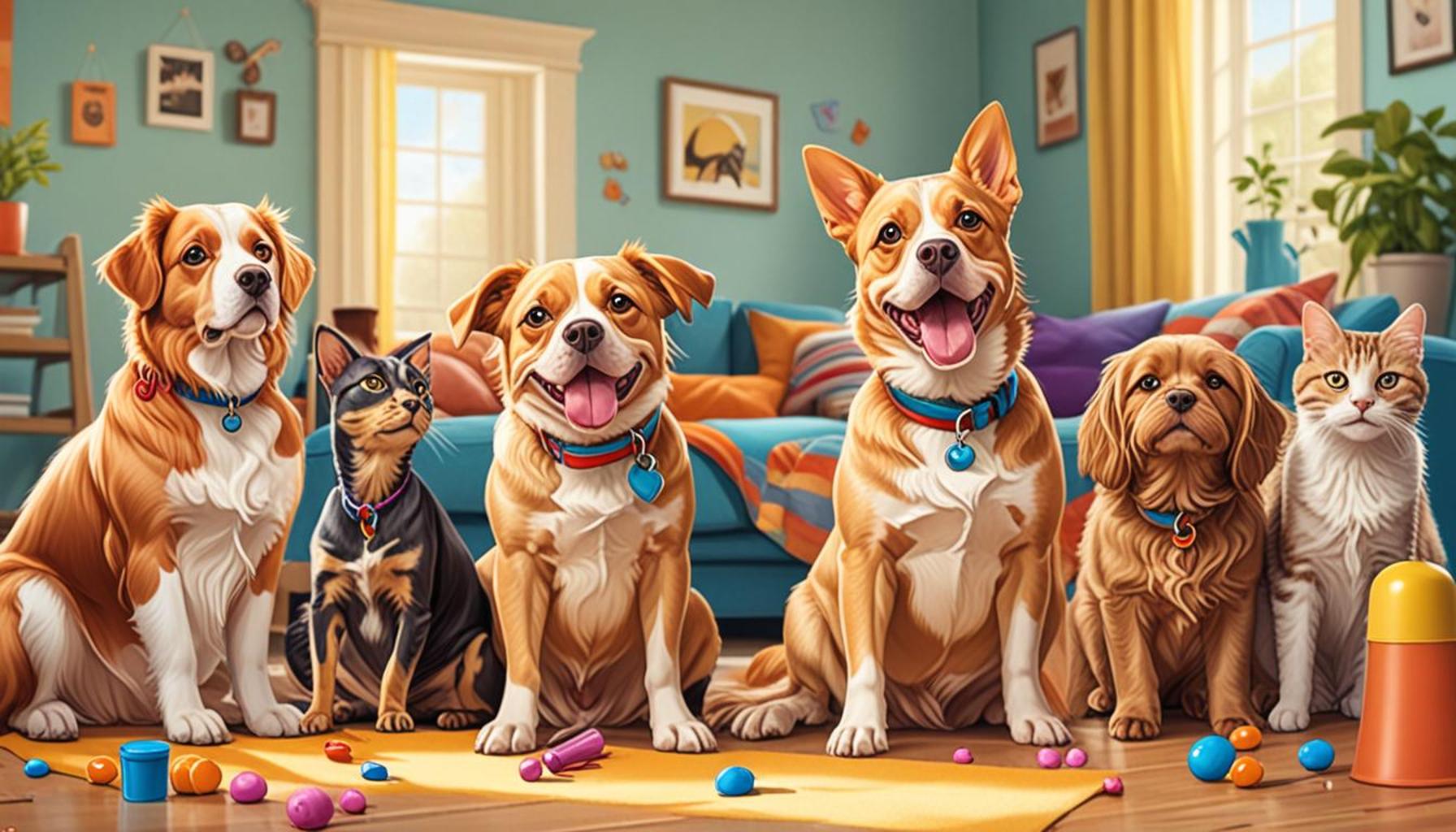
Group training sessions provide an enriching environment where pets can interact and learn in the company of their peers. This unique setting not only promotes socialization but also plays a pivotal role in developing enhanced socialization skills and improved behavior, ultimately contributing to a more balanced and confident pet. Engaging in these training classes allows dogs and cats to experience remarkable changes in their interaction styles, making them more adaptable to various social situations.
There are several compelling benefits associated with group training:
- Improved Social Skills: Pets acquire essential skills for navigating social interactions with other animals. For example, a dog that previously showed signs of fear or aggression towards other dogs can learn appropriate play behaviors, leading to healthier relationships.
- Behavioral Correction: Trainers can identify and address unwanted behaviors, such as barking or jumping, in a controlled setting. This immediate feedback allows pets to understand which behaviors are acceptable, significantly reducing issues at home.
- Increased Confidence: Interacting with a variety of other pets boosts self-esteem. A shy dog that gains confidence may transform into a more relaxed and social canine, eager to meet new friends.
Data suggest that pets who regularly participate in group training tend to exhibit less anxiety and reduced aggression, particularly when encountering other animals or unfamiliar environments. Through structured interactions, they learn crucial communication cues, building friendships that can last a lifetime. These relationships can be vital for dogs who thrive on social experiences, promoting healthier behaviors and potentially reducing the risk of behavioral issues.
Furthermore, the role of the owner in this dynamic is equally significant. Owners attending these sessions not only gain practical training techniques but also have an opportunity to bond with their pets in a supportive atmosphere. This increased interaction promotes enhanced trust and understanding, crucial factors in modifying behaviors. A well-trained pet is often a more enjoyable companion, enhancing the overall pet-owner relationship.
As we explore the profound impact of group training, it becomes increasingly clear how these collective experiences can shape a pet’s behavior and social adaptability. In an ever-evolving world, where new situations arise frequently, well-socialized and confident pets are more likely to thrive in diverse settings. These training sessions serve as a foundational step towards creating harmonious living environments for both pets and their owners.
DON’T MISS: Click here to discover the emotional benefits of pet adoption
Unleashing the Social Benefits of Group Training
Group training is more than just a venue for teaching basic commands; it serves as an essential social platform for pets, promoting their emotional and behavioral development. One of the most significant impacts of participating in group training is the enhancement of social skills in pets, allowing them to better navigate the complexities of interactions with both humans and other animals. Through structured encounters, pets form connections with peers, fostering a sense of belonging and understanding that can address behavioral challenges effectively.
Research highlights that pets who engage in group training often exhibit better social interactions with other animals. For instance, a pup that may have previously reacted with aggression or fear towards unfamiliar dogs can learn to interpret body language and social cues through observation and interaction. By engaging in supervised play and guided exercises, these pets gradually learn vital skills such as taking turns, sharing space, and recognizing when it is appropriate to approach or retreat. This not only helps mitigate fear-based reactions but also encourages positive behaviors during future interactions.
- Increased Exposure to Diverse Stimuli: Group training exposes pets to various breeds, sizes, and temperaments, broadening their comfort zone with different types of animals.
- Structured Playtime: Guided play sessions teach pets how to engage respectfully and safely, reducing incidents of rough play and misunderstandings.
- Peer Learning Opportunities: Watching and learning from more experienced pets can inspire personal growth in social skills, making group training a nurturing environment.
Another vital aspect of group training is its role in behavioral correction. Professional trainers can closely monitor interactions and step in to redirect unwanted behaviors, providing immediate feedback to both pets and owners. For example, if a dog begins to bark excessively during a session, the trainer can intervene and guide the pet towards a more constructive behavior, clearly demonstrating what is expected. This consistent, real-time correction helps cement acceptable habits, transitioning these lessons into everyday life outside the training setting.
Moreover, the sense of community and support found in group training environments creates a positive atmosphere for both pets and their owners. Owners can share experiences and concerns with other pet parents, fostering a learning community that emphasizes the significance of socialization and behavior in pets. This shared journey not only strengthens the bond between owner and pet but also encourages accountability in their training efforts.
In summary, the impact of group training on the socialization and behavior of pets is profound and multifaceted. By offering a supportive environment where pets can interact, learn, and grow, group training paves the way for enhanced social skills, effective behavior modification, and enriched relationships between pets and their owners. As we delve deeper into the connections formed through these training sessions, it becomes evident that the benefits extend far beyond the classroom, influencing the overall well-being and happiness of pets in a variety of settings.
| Category | Details |
|---|---|
| Social Interaction | Group training fosters bonding between pets, allowing them to learn social cues and develop behaviors through interactions. |
| Behavior Improvement | Pets in group settings often show reduced anxiety and better response to commands, enhancing their overall behavior. |
Group training sessions can significantly influence the socialization of pets by exposing them to diverse stimuli, including various sounds, smells, and other animals. This exposure enables pets to adapt more comfortably to different environments. Additionally, these interactions can correct behavioral issues such as aggression or excessive barking when dogs learn appropriate responses in a controlled setting.Furthermore, engaging in group training helps reinforce positive behavior through a system of rewards, thus improving pet-owner communication. Owners are taught effective methods for teaching commands, which translates to enhanced obedience and overall happiness in pets. Socialized pets are often more confident, leading to better behavior both at home and in public. As research continues to evolve, the benefits of group training on socialization remain evident, prompting more pet owners to seek out these engaging and beneficial environments.
DISCOVER MORE: Click here for essential tips
The Transformative Power of Group Training on Behavior
One of the less commonly known benefits of group training is its capacity to instill confidence in pets, particularly those who may display timidness or anxiety in social settings. For instance, shy dogs often gain strength from watching their more outgoing peers engage with both people and other pets. Over time, this exposure encourages them to step outside their comfort zones, slowly picking up the social skills necessary to engage healthily in various situations. Confidence-building exercises incorporated in group sessions can include obstacle courses and interactive games that reward positive participation, thereby reinforcing their learning experience.
In addition to enhancing confidence, group training often addresses specific behavior challenges such as fear-based aggression and poor impulse control. When pets engage with others in a controlled environment, they learn to manage their reactions. For instance, a dog that typically lunges at strangers can be desensitized through gradual introductions supervised by a professional trainer. Here, the trainer employs calming techniques and distraction strategies that help the dog find more appropriate ways to express curiosity or uncertainty, ultimately leading to improved interactions.
- Ease of Managing Distractions: Group training exposes pets to various distractions—think sounds, scents, and different movements—which can help them learn to maintain focus. This training is vital for teaching pets to remain calm in everyday situations, such as walking through a busy park.
- Strengthened Human-Pet Bonds: When pets witness their owners providing guidance and support during training, the human-animal bond is reinforced, leading to enhanced mutual understanding and trust.
- Community Engagement: Group training often fosters a sense of community among owners and pets alike. Regular sessions allow owners to meet and connect with fellow pet lovers, sharing tips and experiences, which can further enrich each participant’s training journey.
The long-term ramifications of group training also extend into daily life scenarios, establishing a foundation for improved behavior. As pets learn to navigate social settings, they become less reactive and more adaptable in various environments. For example, a dog trained in group settings may become more comfortable during trips to the vet or visits to dog parks, ultimately making these experiences more enjoyable for both the pet and the owner.
What’s more, addressing behavioral issues in group training allows owners to see firsthand the benefits of consistency and structure. The transparency of observing how other pets respond to guidance can provide valuable insights for pet owners, who may not realize that positive behaviors can be cultivated through similar methods. This shared experience of success can importantly undermine self-doubt among pet owners, empowering them to better manage their pets’ behavior at home.
Moreover, the skills learned in group training translate effectively to family dynamics. Pets acquire the necessary behaviors to interact positively with children, visitors, or other household animals, reducing the likelihood of stress or conflict. As pets evolve socially, families experience an enhancement in their quality of life as pets demonstrate acceptable behaviors during everyday activities, creating a harmonious living environment.
Ultimately, the impact of group training on the socialization and behavior of pets is both immediate and lasting, encompassing personal growth for the animals along with substantial benefits for their owners. By fostering an environment that encourages interaction, learning, and adaptation, group training lays the foundation for well-adjusted pets capable of thriving in a range of social contexts.
LEARN MORE: Click here to discover effective dog training techniques
Conclusion: The Lasting Benefits of Group Training
In summary, the impact of group training on the socialization and behavior of pets is profound and multifaceted. By participating in group sessions, pets not only cultivate essential social skills but also develop confidence that translates into their everyday interactions. This training experience helps address behavioral challenges—such as fear-based aggression and impulsivity—allowing pets to navigate their environments with a greater sense of calm and assurance.
Moreover, the reinforcing element of human-animal bonds cannot be overstated. Oversight from owners during training enhances trust and understanding, which ultimately enriches daily life with pets. The opportunity for community engagement presents another layer of growth, as owners connect with fellow enthusiasts, sharing insights and encouragement, creating a supportive network that benefits everyone involved.
As pets learn to handle distractions and respond positively to various stimuli, their adaptability increases, paving the way for enjoyable experiences in previously stressful situations, such as vet visits or busy parks. This transformation not only enriches the individual pet’s quality of life but also leads to a more harmonious household dynamic, ultimately benefiting families and their furry companions alike.
As we reflect on these transformative benefits, it becomes clear that investing in group training is not merely about improving discipline; it’s about nurturing well-rounded, sociable pets that thrive in diverse settings. For pet owners considering the next step in their pet care journey, group training offers a pathway to enhanced behavior, strengthened relationships, and a vibrant community of support.

Linda Carter
Linda Carter is a writer and pet care expert specializing in pet health, grooming, and wellness. With extensive experience helping pet owners create safe, loving, and enriching environments for their animals, Linda shares her knowledge on our platform. Her goal is to empower readers with practical advice and strategies to ensure their pets thrive and lead joyful, healthy lives.