
The importance of positive reinforcement in dog training
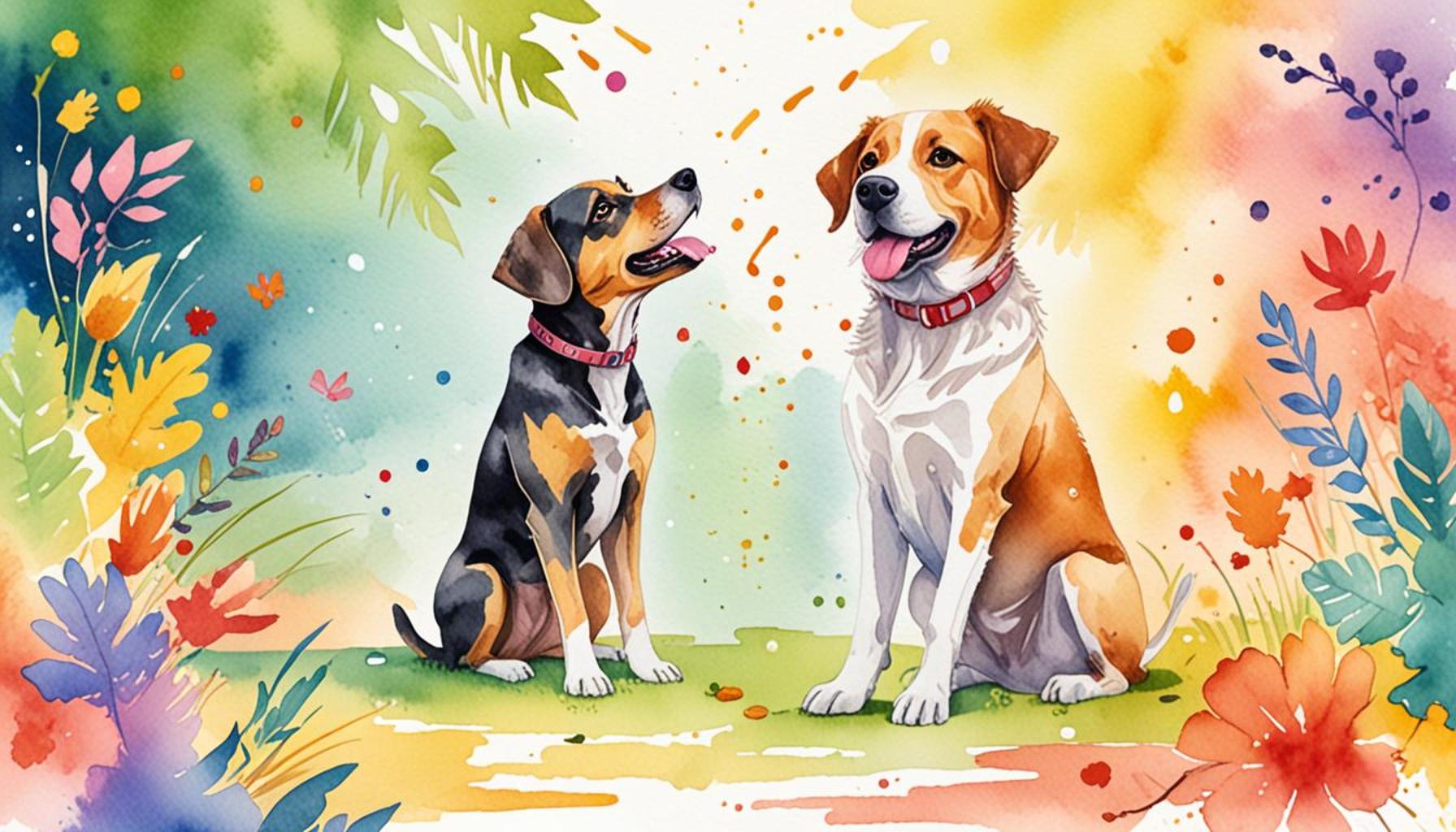
The Power of Positive Reinforcement in Dog Training
Implementing effective training techniques is essential for any dog owner, as it can significantly influence both your dog’s behavior and your relationship with them. Among the plethora of methods available, positive reinforcement has gained prominence as an effective and humane strategy. This approach focuses on rewarding good behavior, creating an environment where your dog can thrive and learn.
At the core of positive reinforcement lies the principle of operant conditioning, which suggests that behaviors followed by rewards are likely to be repeated. This method works hand-in-hand with your dog’s natural instincts and learning processes, making training enjoyable for both parties. For instance, when a dog sits on command and receives a treat, it learns to associate sitting with the reward, leading to a higher likelihood of this behavior in the future. But the applications of positive reinforcement go beyond mere command training.
Key Advantages of Positive Reinforcement
There are several compelling advantages to utilizing positive reinforcement in your dog training strategy. Here are a few that stand out:
- Enhances Learning: The effectiveness of this method is evidenced by studies showing that dogs trained with positive reinforcement often learn commands and tricks faster than those trained with punishment-based methods. This increased efficiency can lead to a more engaged and stimulating training environment.
- Builds Trust: Dogs are highly social animals and crave connection with their owners. When you reward your dog for positive behavior, they learn to trust you, as they associate your presence with safety and positivity. Whether it’s a soft pat or their favorite treat, these rewards foster a loving and trusting relationship.
- Promotes Positive Behavior: By focusing on what your dog is doing right, rather than what they’re doing wrong, you cultivate a more positive atmosphere. For instance, instead of harshly correcting unwanted behavior, redirecting your dog to perform a suitable behavior and rewarding that can significantly improve their overall demeanor.
In recent years, the conversation around dog training methods in the United States has shifted considerably toward positive reinforcement. Numerous studies from prominent veterinary behaviorists indicate that dogs trained with this method exhibit fewer behavioral issues and improved mental well-being, ultimately leading to fewer returns to shelters for behavioral reasons. As this understanding grows, many dog owners are choosing to embrace these more gentle training approaches.
As we explore the mechanisms behind positive reinforcement, it’s essential to not only understand why this method is effective but also to incorporate it into your daily interactions with your dog. Practical examples, such as teaching your dog to stay or come when called, can serve as foundational skills that improve their safety and your peace of mind. We will also share tips on creating a rewarding environment that motivates your dog to learn and behave appropriately. By implementing positive reinforcement, you not only teach your dog good behavior; you also pave the way for a fulfilling, enriching relationship built on mutual respect and joy.
DISCOVER MORE: Click here to learn about natural cat feeding benefits
Understanding the Mechanisms of Positive Reinforcement
To fully appreciate the significance of positive reinforcement in dog training, it is essential to delve deeper into how it operates and its impact on canine behavior. The foundation of this method rests upon the psychological concept of operant conditioning, which is the process by which behaviors are modified through consequences. When it comes to dogs, positive reinforcement entails offering rewards such as treats, praise, or play when they engage in desired behaviors. This simple yet effective practice encourages them to repeat those behaviors, reinforcing the bond between the dog and the owner.
Research indicates that positive reinforcement not only enhances learning but also addresses behavioral issues effectively. For instance, a study published in the Journal of Veterinary Behavior found that dogs trained with reward-based methods show lower levels of aggression and anxiety compared to those subjected to punishment-based techniques. Such findings underscore the profound influence of a nurturing training environment, particularly in reducing stress for both the dog and human.
Creating a Rewarding Environment
Implementing positive reinforcement does not occur in isolation; it requires careful planning and consistency. Here are some fundamental aspects to consider when creating a rewarding environment for your dog:
- Identify Motivators: Each dog has unique preferences, so it’s crucial to find what motivates your pet the most. Whether it’s a high-value treat, a favorite toy, or verbal praise, understanding your dog’s preferences can elevate the effectiveness of your training sessions.
- Timing is Key: The reward must be provided immediately after the desired behavior occurs. This immediate reinforcement helps the dog make the connection between the action and the reward, strengthening their learning experience.
- Gradual Progression: Start training in a distraction-free environment and gradually introduce more challenging scenarios. This gradual increase in difficulty helps to reinforce commands and builds your dog’s confidence as they succeed in various contexts.
Effective communication is also vital. Using a consistent command or cue for specific behaviors can help your dog understand what is expected of them. When they comply and receive a reward, the cycle of positive behavior is perpetuated. Moreover, incorporating the element of play into the training process can be an excellent motivator. Dogs are inherently playful creatures, and turning training sessions into a game can make the experience enjoyable for them.
As you nurture this rewarding environment, you may notice not just an improvement in your dog’s behavior, but also an increase in their willingness to engage with you. Dogs trained using positive reinforcement often display enthusiasm during training sessions, further strengthening the bond between you and your furry companion. This collaborative spirit is paramount, as it transforms training into a joint adventure rather than a chore.
In the upcoming sections, we will explore practical applications of positive reinforcement and how they can be integrated into everyday routines. From simple commands to complex tricks, embracing positive reinforcement ultimately leads to a well-behaved dog and a harmonious living environment.
The Importance of Positive Reinforcement in Dog Training
Positive reinforcement is not just a training technique; it’s a profound method that enhances canine-human relationships while promoting effective learning. By rewarding desired behaviors, dog owners can foster an environment where dogs feel safe and motivated to engage positively. This training method focuses on rewarding good behaviors rather than punishing undesirable ones, creating an atmosphere of trust and cooperation.One of the significant advantages of using positive reinforcement is its ability to boost a dog’s confidence. For example, when a dog successfully performs a trick and receives a treat or praise, it solidifies that behavior in their mind. This enhancement of self-esteem plays a critical role in the overall development of the pet, leading to a more balanced and happy dog. Studies show that dogs trained with positive reinforcement techniques often exhibit fewer signs of stress and anxiety.Moreover, positive reinforcement can lead to faster learning. Research indicates that dogs respond better to training when they are eager to participate in the process, which is often achieved through rewards. This eagerness reduces the amount of time and effort required for training sessions, making it a time-efficient approach for busy pet owners. Dogs trained with positivity are more likely to engage in training, consequently accelerating their learning curve.Beyond just training, the concept of positive reinforcement extends to everyday interactions. Encouraging desired behaviors, such as sitting before receiving food or being calm during walks, reinforces good manners and social behavior. This creates a well-mannered dog that is not only a joy to have around but is also more manageable in public settings.In summary, the importance of positive reinforcement in dog training lies not just in teaching dogs to follow commands but in creating an enduring bond built on trust and communication. Through effectively utilizing this technique, pet owners can ensure a harmonious relationship with their canine companions while aiding their overall development and happiness.
| Category 1 | Category 2 |
|---|---|
| Confidence Building | Promotes a strong bond and a feeling of safety |
| Time Efficiency | Leads to quicker learning and less training stress |
DISCOVER MORE: Click here for tips on supporting your dog’s emotional health
Expanding Positive Reinforcement Techniques
After establishing a rewarding environment, the next step is to diversify and expand the techniques involved in positive reinforcement. Implementing various strategies can not only enhance your dog’s learning experience but also keep training sessions engaging and mentally stimulating for them. Here are some practical techniques to consider:
Clicker Training
One of the most popular methods used in positive reinforcement is clicker training. This technique involves the use of a small device that produces a distinct sound when pressed, serving as a precise marker for desired behavior. When the dog exhibits the correct behavior, the trainer immediately clicks the device followed by a reward. This method enhances timing and clarity in communication, making it easier for dogs to understand which specific actions are being rewarded. Studies reveal that dogs trained with clickers can learn commands faster and retain them longer than through traditional rewards alone.
Variable Reward Schedules
Introducing variable reward schedules into training can further elevate its effectiveness. Rather than providing a reward every single time a behavior is exhibited, trainers can alternate between immediate rewards and occasional rewards. This unpredictability generates excitement and encourages the dog to perform the desired behavior more frequently. A study in the Journal of Experimental Psychology states that behaviors which are rewarded on a variable schedule are often more durable and resistant to extinction than those which are rewarded consistently.
Target Training
Target training is another engaging strategy that uses a target stick or even your hand as a guide for your dog. The aim is to have the dog touch the target with its nose or paw, and when it does, it receives a reward. This technique can enhance focus and improve overall responsiveness during training sessions. Moreover, it can serve as a foundation for teaching more complex tricks, as the dog learns to follow the target wherever it is moved.
Socialization and Group Classes
Attending group classes can also be a vital aspect of positive reinforcement training. Dogs are social animals, and interacting with other dogs can provide them with new stimuli and scenarios that enhance their learning. Group classes offer structured environments where dogs can practice commands and social skills under the watchful eye of a trainer. Research indicates that dogs trained in social settings tend to exhibit fewer behavioral issues, as they become more adaptable and confident. An additional benefit is that owners have the opportunity to learn from one another, sharing insights and techniques that can further enrich the training experience.
Regular Progress Evaluation
As training progresses, regularly evaluating your dog’s growth is crucial. Monitor their behavior and progress, using tools such as training journals to note advancements or challenges faced. This documentation allows trainers to adjust their approach, adapting techniques that may yield better results. Additionally, recognizing small victories can boost morale for both the dog and the owner, making the learning process more rewarding.
By employing these expanded positive reinforcement techniques, trainers can create a rich and dynamic learning atmosphere for their dogs. Not only do these methods lead to reinforced obedience and compliance, but they also establish a foundation of trust and respect between the pet and its owner. As training evolves, the journey of learning together becomes a fulfilling venture, providing lasting memories and a well-mannered companion. In the next section, we will look into integrating these methods seamlessly into daily routines for optimal results.
LEARN MORE: Click here for essential tips
Conclusion: Building Bonds Through Positive Reinforcement
In the ever-evolving realm of dog training, the significance of positive reinforcement cannot be overstated. This method not only fosters effective learning but also promotes a healthy and trusting relationship between dog and owner. By utilizing techniques such as clicker training, variable reward schedules, and target training, pet owners can transform their training sessions into engaging and enjoyable experiences. These methods encourage dogs to comprehend and respond to commands swiftly, reinforcing their natural eagerness to please.
Furthermore, incorporating socialization through group classes and regularly evaluating progress allows for a comprehensive and adaptable training approach. As studies indicate, dogs trained in socially enriching environments tend to demonstrate improved behavioral outcomes, becoming more confident and well-mannered companions. This is crucial in today’s world, where pet owners are striving for harmony not only in their home but also within community interactions.
Ultimately, adopting positive reinforcement in dog training is not merely about achieving compliance; it fosters a deeper connection built on trust, respect, and understanding. By embracing this philosophy, owners can create a joyful training atmosphere that cultivates lifelong memories alongside a well-adjusted pet. As this training journey unfolds, it reminds us of the profound bond between humans and their canine friends, one that thrives through patience, encouragement, and unwavering positivity.

Linda Carter
Linda Carter is a writer and pet care expert specializing in pet health, grooming, and wellness. With extensive experience helping pet owners create safe, loving, and enriching environments for their animals, Linda shares her knowledge on our platform. Her goal is to empower readers with practical advice and strategies to ensure their pets thrive and lead joyful, healthy lives.