The importance of fibers in the diet of dogs and cats: benefits for digestion and intestinal health
The Importance of Fiber for Your Pets’ Nutrition
In the world of pet care, the focus often centers on proteins and fats, but fiber is a vital component that deserves equal attention. While fiber is categorized as a non-digestible carbohydrate, its significance cannot be overstated. A diet rich in fiber can dramatically influence your dog’s and cat’s health, especially concerning digestion and overall well-being. Unfortunately, many pet owners might not recognize the multitude of benefits that a fiber-enriched diet can offer.
Benefits of Fiber in Your Pet’s Diet
- Improved Digestion: Fiber is paramount for promoting regular bowel movements and preventing constipation. It helps bulk up the stool, which not only eases its passage through the digestive system but also enhances nutrient absorption. For instance, dog owners often report that their pets experience less flatulence and fewer stomach upsets when their diets are high in fiber.
- Weight Management: Another significant advantage is fiber’s role in weight control. High-fiber foods can create a sense of fullness, which means your pet may eat less overall while still feeling satisfied. For example, incorporating pumpkin or sweet potatoes into your dog’s meals can help manage their weight effectively, especially in breeds prone to obesity.
- Enhanced Gut Health: Soluble fiber, found in foods such as oats and barley, acts as a prebiotic. This means it nourishes the good bacteria in the gut, contributing to a balanced microbiome. A healthy gut flora can lead to improved immune function, which is crucial for pets, particularly as they age.
The inclusion of fiber in pet food can lead to significant health improvements. Sources rich in this essential component include a variety of fruits, vegetables, and whole grains. Not only do these food items provide necessary vitamins and minerals, but they also aid in regulating bowel movements, ensuring that your pet’s digestive system operates smoothly. However, transitioning to a fiber-rich diet should be done gradually to avoid gastrointestinal distress.
As pet owners become more educated about the nutritional requirements of their furry companions, it’s evident that fiber plays a transformational role in their overall health. From better digestion and weight management to enriching gut health, understanding the importance of integrating fiber can lead to remarkable enhancements in your pets’ vitality. It is advisable for pet owners to consult with a veterinarian regarding the best fiber sources and suitable quantities for their specific breeds and health requirements.
In exploring the significance of fiber, pet owners may wish to experiment with various options and determine which best suit their pets’ preferences. A simple adjustment in their diet could yield spectacular results, invigorating your pets’ spirit and enhancing their quality of life.
DISCOVER MORE: Click here to learn about the benefits of natural cat feeding
Unlocking the Secrets of Fiber: Key Benefits for Your Pet’s Digestive Health
Fiber plays a crucial yet often overlooked role in the diet of our beloved pets. In the same way that humans benefit from fiber, dogs and cats can enjoy a myriad of advantages when this essential nutrient is included in their meals. With a growing emphasis on pet nutrition, it’s vital for pet owners to understand how fiber affects their companions’ overall health, particularly regarding digestion and intestinal health.
The Role of Fiber in Digestion
Digestive health is one of the most significant areas where fiber makes a notable impact. There are two types of fiber: soluble and insoluble. Soluble fiber dissolves in water, forming a gel-like substance that slows digestion and can help stabilize blood sugar levels. Insoluble fiber, on the other hand, does not dissolve in water and is crucial for adding bulk to the stool, promoting regularity and preventing constipation. Understanding these distinctions can empower pet owners to choose appropriate fiber sources for their pets.
- Preventing Constipation: Adding sufficient fiber to your pet’s diet can significantly decrease the risk of constipation. This condition is not only uncomfortable but can also lead to more severe digestive problems if left unaddressed. A fiber-rich diet encourages regular bowel movements that can alleviate straining, which is often seen in pets with low fiber intake.
- Reducing Diarrhea: Surprisingly, fiber can also assist in managing diarrhea. The absorbent nature of soluble fiber helps firm up stools, enabling a better balance in the digestive process. This duality in its function makes fiber a powerful tool for maintaining consistent digestive health.
- Balancing Gut Flora: As previously mentioned, fiber serves as food for prebiotics that nourish the beneficial bacteria in the gut. A healthy gut flora leads not only to better digestion but also supports the immune system, which is vital for your pet’s overall health.
Beyond digestion, the inclusion of fiber in your pet’s diet can greatly enhance intestinal health. A diverse array of dietary fibers promotes a varied microbiome, which is important for processing nutrients and protecting against diseases. Much like humans, pets rely on their gut health for immunity and overall well-being. Research indicates that a well-balanced intestinal environment can result in lower incidence rates of gastrointestinal disorders and may even help in reducing allergy flare-ups.
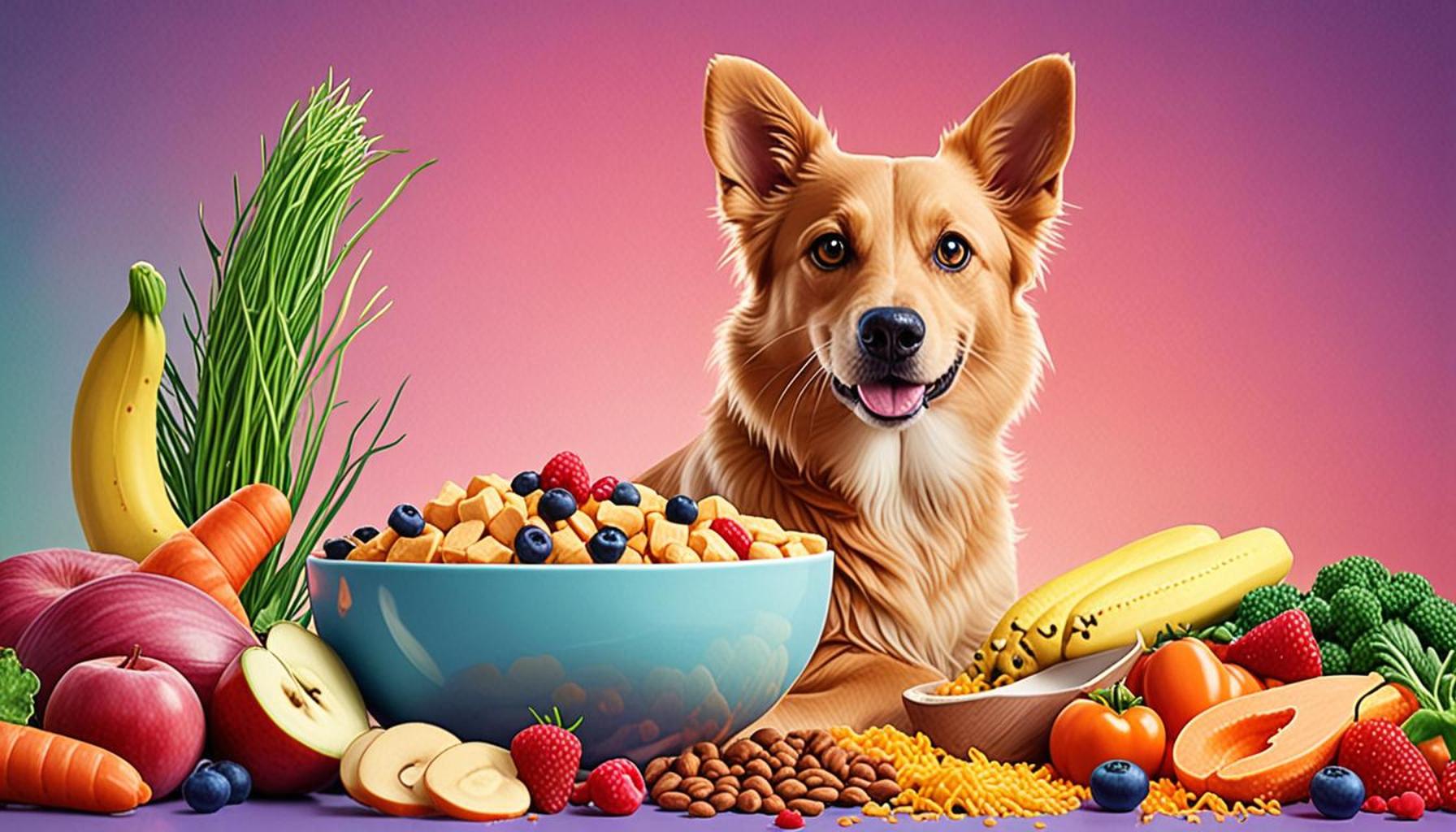
As you delve deeper into the importance of fiber, it’s essential to consider the right sources. From fruits like apples and blueberries to vegetables such as carrots and green beans, integrating these items into your pet’s meals can create a nutrient-rich and fiber-enhanced diet. However, it’s imperative to introduce these changes gradually, as a sudden increase in fiber may lead to gastrointestinal upset.
Understanding the profound impact of fiber on your pet’s digestive and intestinal health can empower pet owners to make informed dietary choices. By focusing on the inclusion of fiber, you can lay the foundation for a happier and healthier life for your furry friends. Every small adjustment has the potential to transform their overall wellness and vitality, ensuring they thrive in their daily lives.
| Dietary Fiber Types | Health Benefits |
|---|---|
| Soluble Fiber | Aids in lowering cholesterol and stabilizing blood sugar levels; beneficial for overweight pets. |
| Insoluble Fiber | Promotes bowel regularity and prevents constipation; essential for overall intestinal health. |
The incorporation of fiber into the diets of dogs and cats isn’t just a trend; it’s a crucial element that contributes significantly to their overall health. As pets develop digestive issues, the addition of different types of dietary fiber can provide solutions. Soluble fiber forms a gel-like substance in the gut, which helps manage weight and can be especially beneficial for diabetic animals. It also aids in producing a healthier gut environment, supporting the growth of beneficial bacteria.On the other hand, insoluble fiber acts like a broom in the intestines, sweeping away waste products and facilitating regular bowel movements. This is particularly vital as both dogs and cats can experience varying degrees of constipation, leading to serious health issues if not addressed. By integrating these fibers into pet diets, you could improve your furry friends’ digestive processes, while also enhancing their nutrient absorption capabilities.
DON’T MISS: Click here to learn effective techniques
Exploring the Types of Fiber and Their Specific Benefits for Your Pet
As we delve deeper into the realm of dietary fiber for pets, it is essential to grasp the specific attributes and benefits of the different types of fiber available. Understanding how to leverage both soluble and insoluble fibers can further enhance your pet’s digestive wellbeing and overall health.
Soluble Fiber: A Digestion Dynamo
Soluble fiber is not just a simple nutrient; it serves multiple functions that can be particularly beneficial in managing your pet’s digestive system. As this form of fiber dissolves in water, it forms a gel-like consistency, which slows digestion and allows for a gradual absorption of nutrients. This is particularly beneficial for pets with diabetes, as it helps to stabilize blood sugar levels post-meal. Studies indicate that insulin response can be moderated by a diet rich in soluble fiber, making it a crucial component for pets at risk of metabolic disorders.
- Weight Management: If you’re aiming to maintain a healthy weight for your pet, soluble fiber can help create a sensation of fullness without adding excessive calories. This can be especially useful for overweight pets requiring dietary modification.
- Heart Health: Emerging research suggests that soluble fiber can contribute to lowering cholesterol levels. For pets predisposed to heart conditions, incorporating oats, barley, and certain pulses like lentils can have significant long-term benefits.
Insoluble Fiber: The Bulk Builder
In contrast to its soluble counterpart, insoluble fiber does not dissolve in water, making it indispensable for adding bulk to your pet’s stools. This type of fiber acts like a broom, sweeping through the digestive tract and ensuring that food passes smoothly through the intestines.
- Regularity and Stool Quality: A fiber-rich diet can improve stool quality and lead to more predictable and healthier bowel movements. For breeds prone to constipation, such as Bulldogs and Boxers, incorporating insoluble fiber sources like wheat bran can be a game-changer.
- Colon Health: Insoluble fiber plays a pivotal role in reducing the risk of gastrointestinal diseases, such as colorectal cancer. Regular intake may lower the risk of diverticulosis, a condition that arises from insufficient fiber intake in both humans and pets.
Choosing the Right Fiber Sources
Introducing fibers into your pet’s diet doesn’t have to be overwhelming. The key is to incorporate natural, whole-food sources that suit your specific pet’s needs. Foods such as pumpkin, sweet potatoes, and green peas are excellent sources of soluble fiber, while bran cereals and leafy greens offer ample insoluble fiber. Additionally, consider the addition of fiber supplements if you find it challenging to meet your pet’s requirements through food alone. However, always consult with a veterinarian before making significant dietary changes to ensure a balanced intake.
Fiber is not only important for digestion but also serves as a vital component for maintaining a healthy immune system in pets. With every meal thoughtfully crafted, you can ensure your dog or cat reaps all the advantages that fiber has to offer, building a foundation for long-lasting health and vitality. By embracing a fiber-rich diet, you invest in the well-being of your furry friend, paving the way for a brighter, healthier future.
DIVE DEEPER: Click here to uncover the emotional benefits of pet adoption
Conclusion: Enhancing Your Pet’s Health Through Fiber
In conclusion, the role of fiber in the diets of dogs and cats is invaluable, offering a myriad of benefits that extend beyond basic digestion. By incorporating both soluble and insoluble fibers, pet owners can significantly improve their furry companions’ gastrointestinal health, regulate weight, and even support heart health. The distinct functions of soluble fiber, such as managing blood sugar levels and promoting a feeling of fullness, must not be overlooked, especially for those pets predisposed to obesity or diabetes. Meanwhile, the importance of insoluble fiber in promoting regular bowel movements and preventing serious gastrointestinal diseases highlights its essential role in long-term health.
When selecting fiber sources, it is critical to opt for whole, natural foods like sweet potatoes, pumpkin, and leafy greens to ensure that your pet receives the most beneficial nutrients possible. While fiber supplements may offer convenience, consulting a veterinarian for tailored nutritional advice is crucial in achieving a balanced diet that meets your pet’s unique needs.
As we strive to foster healthier and happier lives for our pets, recognizing the importance of fiber should be at the forefront of dietary considerations. By taking proactive steps to include an adequate amount of dietary fiber in their meals, we not only fortify their digestive systems but also pave the way for improved overall health and vitality. As the saying goes, “you are what you eat,” and this certainly applies to our beloved companions; a fiber-rich diet can be the key to a longer, healthier, and vibrant life for our dogs and cats.

Linda Carter
Linda Carter is a writer and pet care expert specializing in pet health, grooming, and wellness. With extensive experience helping pet owners create safe, loving, and enriching environments for their animals, Linda shares her knowledge on our platform. Her goal is to empower readers with practical advice and strategies to ensure their pets thrive and lead joyful, healthy lives.