
The Importance of Environmental Enrichment for Pets
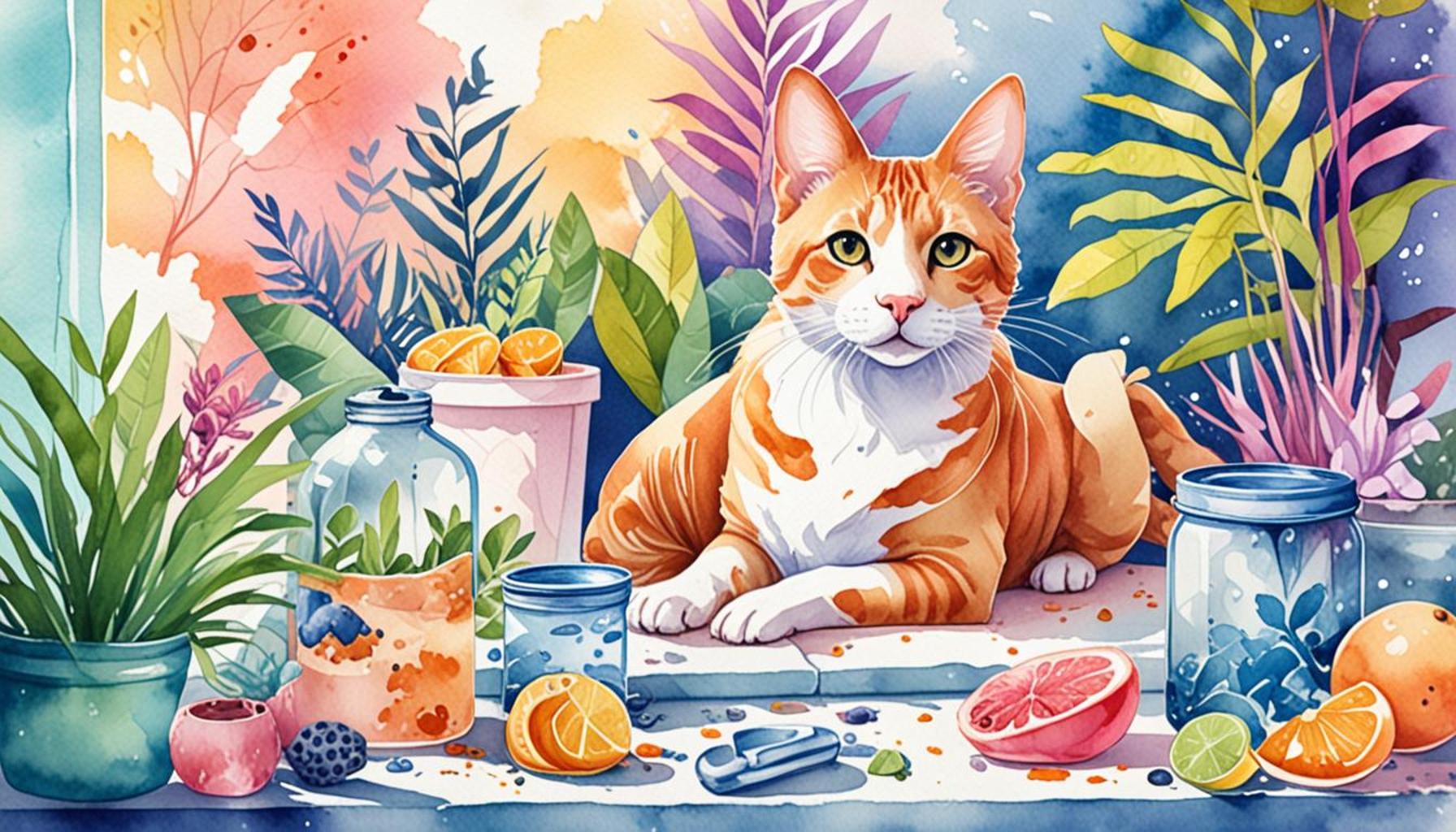
The Value of Environmental Enrichment for Pets
In a society where our furry companions are cherished members of our families, their well-being is of utmost importance. Beyond basic needs such as feeding and grooming, environmental enrichment is essential for enhancing a pet’s overall quality of life. This concept represents a holistic approach that involves providing stimulating experiences, tailored to the unique instincts and behaviors of pets, which helps engage them both physically and mentally.
Understanding Environmental Enrichment
Environmental enrichment creates a stimulating atmosphere that mimics the natural behaviors of pets. For instance, enriching items are essential for dogs and cats, encouraging them to explore and exhibit playful behaviors. Various methods can be used to achieve this goal, which not only helps to alleviate boredom but also promotes a sense of well-being and happiness.
Features of Effective Environmental Enrichment
There are several key features to consider when designing an enriching environment for pets:
- Interactive toys: These include puzzle feeders and treat-dispensing toys that challenge pets to solve problems and rewards them for their perseverance. For instance, a dog may have to roll a ball in just the right way to release a treat inside, stimulating both their mind and their instincts.
- Variety of spaces: Providing your pets with safe areas to explore is crucial. For cats, climbing trees or shelves will not only satisfy their natural climbing instincts but also allow them to survey their environment from above. For dogs, a designated agility area filled with tunnels and ramps can keep them physically active.
- Social interaction: Engaging pets in play, whether through active games with human owners or socialization with other animals, fosters companionship. This can reduce feelings of loneliness that many pets experience, ultimately leading to healthier emotional states.
The Impact of Environmental Enrichment
Research consistently shows that pets receiving regular environmental enrichment demonstrate significant reductions in anxiety and behavioral issues. For example, dogs that participate in diverse activities, like agility training or local dog park outings, are less prone to develop destructive behaviors such as chewing furniture or excessive barking. Similarly, cats that can climb, scratch, and engage with durable toys tend to be more content, should exhibit fewer signs of stress, and frequently showcase more playful behavior.
Strengthening the Bond with Your Pets
Comprehending the importance of environmental enrichment leads to stronger relationships between pets and their owners. By actively enhancing their environments, owners can profoundly impact their pets’ happiness and welfare. Simple changes—such as adding interactive games, engaging in varied walks, or creating creativity-inspiring spaces—can transform the daily lives of our beloved animals. The evidence is clear: happy pets make for loving, loyal companions.

It’s essential for pet owners to recognize that improving their pets’ experiences does not have to be overwhelming; even minor adjustments hold the potential for immense benefits. Ultimately, it is our responsibility to foster an environment where our pets can thrive, reaping both mental and physical rewards while cherishing the time spent together.
DON’T MISS: Click here to learn essential dental care tips for your pet
Enhancing Pet Well-Being through Environmental Enrichment
Environmental enrichment plays a pivotal role in ensuring the physical and mental well-being of pets by replicating aspects of their natural environments. This practice not only satisfies a pet’s natural instincts but also encourages beneficial behaviors that promote a healthier and happier life. As owners, understanding the importance of providing these enriching experiences can significantly impact our furry friends’ overall happiness.
Benefits of Environmental Enrichment
Engaging in environmental enrichment brings numerous benefits to pets, fostering a well-adjusted and joyful disposition. The following key advantages illustrate the depth of impact such practices can have:
- Behavioral Improvements: Introducing stimulating elements can help curb common behavioral problems in pets. For example, dogs that engage in mentally stimulating activities are less likely to develop destructive behaviors, like excessive barking or chewing, as their energy is focused on problem-solving and play.
- Reduced Stress and Anxiety: Cats and dogs alike can experience stress from a monotonous environment. Providing varied experiences, such as a mix of indoor and outdoor activities, can lower anxiety levels, leading to a calmer pet overall.
- Enhanced Physical Activity: Environmental enrichment often requires pets to move around and explore. Incorporating elements such as climbing structures for cats or obstacle courses for dogs promotes exercise, keeping pets fit and reducing the risk of obesity-related health issues.
Tailoring to Specific Needs
It’s essential to recognize that not all pets require the same form of enrichment. Factors such as age, breed, and personality traits play a crucial role in the types of activities that will resonate with an individual pet. For instance, a high-energy border collie may thrive with agility training and interactive games, while a more laid-back bulldog might appreciate gentle walks and simple puzzle toys. Observing your pet’s preferences can guide you toward crafting a customized enrichment plan.
The Role of Owners in Environmental Enrichment
As pet owners, we bear the responsibility of creating a stimulating environment. This doesn’t always necessitate extensive resources or time; simple actions can yield remarkable benefits. Regularly changing toys, introducing new activities, or even altering the arrangement of furniture can spark curiosity and engagement in pets. Additionally, involving pets in family activities or socialization with other animals can contribute positively to their emotional development.
High-quality enrichment nurtures not just the brain and body of pets, but also their connection with us as companions. Every effort we make to engage and entertain our pets reflects our love and dedication to their well-being.
| Category | Details |
|---|---|
| Cognitive Stimulation | Enrichment toys and puzzles challenge pets, enhancing their problem-solving skills and intelligence. |
| Emotional Well-being | Providing social interactions and varied activities can significantly reduce stress and anxiety in pets. |
Introducing environmental enrichment in our pets’ daily lives addresses their psychological and physical needs. The inclusion of diverse activities, such as interactive toys, walking trails, and even social meetings with fellow pets, can make a notable difference in their overall happiness. A well-enriched environment can lead to healthier lifestyles, helping prevent behavioral issues often associated with boredom, such as excessive barking, chewing, or aggression.Research indicates that animals subjected to stimulating environments exhibit improved behaviors and become more adaptable to changes in their surroundings. Enhancing your pet’s home with items that allow for play and exploration fosters a sense of adventure and curiosity. Examples include cat trees designed for climbing and scratching, as well as dog agility courses for active breeds. Such elements are crucial in promoting joyful living and fostering strong bonds between pets and their owners, illustrating the profound impact of environmental enrichment on their quality of life.
LEARN MORE: Click here for essential insights
Creating An Engaging Environment
Building an engaging environment for our pets requires an understanding of their natural behaviors and instincts—all of which can be harnessed through intentional environmental enrichment. By tapping into what makes our pets tick, we can construct an atmosphere that not only entertains but also educates and nurtures.
Enrichment Activities for Dogs
The dog world is vast, with breeds exhibiting a diverse range of characteristics and activity levels. To enhance a dog’s environment, owners can incorporate enrichment activities that appeal to both physical and mental faculties. For example, providing items like snuffle mats encourages dogs to use their noses to find hidden treats, mirroring foraging behaviors found in the wild. Alongside these, setting up agility courses or engaging in scent-tracking games can ignite a dog’s natural athleticism while fostering a deep bond with their owners.
Additionally, outdoor excursions can serve as natural enrichments. Visiting dog parks or taking hikes through nature trails not only provides socialization opportunities with other dogs but also stimulates various senses. This dynamic interaction with their surroundings encourages exploration and discovery, enriching their experience beyond the confines of home.
Enrichment Strategies for Cats
Cats are inherently curious and playful, but their enrichment needs can sometimes be overlooked. Key strategies for environmental enrichment for cats involve utilizing vertical space and stimulating their instinct to hunt. Cat trees and shelves can transform a typical living room into a vertical jungle, allowing feline companions to engage in climbing and jumping that fulfills their natural urge to explore.
Interactive toys, particularly those that mimic prey, can also stimulate a cat’s hunting instincts. Automated laser pointers, feather wands, or even simple cardboard boxes can bring immense joy and activity to a cat’s day. Moreover, establishing enrichment areas near windows where they can observe outdoor wildlife can provide endless entertainment, drawing on their instincts as natural hunters.
The Science Behind Environmental Enrichment
Numerous studies underscore the significant impacts of environmental enrichment on pet behavior and health. Research indicates that pets living in enriched environments exhibit less stress and aggression than those in uninspired settings. A study published in the Journal of Veterinary Behavior found that animals with access to enrichment not only showed less destructive behavior but also lower cortisol levels—indicating reduced stress levels.
Furthermore, enriched environments can bolster cognitive function. Providing pets with problem-solving opportunities strengthens neurological pathways, enabling them to adapt to new challenges. Items like puzzle feeders promote cognitive engagement, transforming mealtime into a stimulating activity rather than a mundane chore.
Community and Socialization as Enrichment
Engaging with the broader community can also serve as a beneficial form of environmental enrichment. Participating in pet-friendly events, such as local fairs or charity walks, introduces pets to new sights, sounds, and fellow animals. Socialization opportunities not only stimulate mental growth but also foster a sense of confidence in pets, further enhancing their emotional well-being.
Incorporating various forms of social interaction, whether through doggy daycare, playdates, or even training classes, can significantly enhance pets’ experiences. This interaction is essential in reducing the risks of behavioral issues caused by anxiety or boredom.
DISCOVER MORE: Click here to learn how to support your pet’s emotional well-being
Final Thoughts on Environmental Enrichment for Pets
In conclusion, environmental enrichment plays a crucial role in enhancing the lives of our beloved pets, impacting both their physical and mental well-being. Providing pets with diverse activities and stimulating environments not only satisfies their natural instincts but also strengthens the bond between them and their owners. As we’ve explored, strategies such as incorporating interactive toys, enticing outdoor excursions, and opportunities for socialization can significantly enhance the overall quality of life for both dogs and cats.
Moreover, the scientific evidence supporting the benefits of enrichment cannot be overlooked. Research consistently shows that enriched environments lead to reduced stress and anxiety, lower occurrences of destructive behavior, and enhanced cognitive function. These findings make it clear that investing time and resources into creating a stimulating atmosphere for pets is a decision that reaps long-term rewards.
As pet owners, we have the responsibility to ensure our companions thrive in their environments. Therefore, continuous exploration of new enrichment methods and adaptive changes to our pets’ surroundings can foster their behavioral development and emotional health. In the spirit of being proactive, consider consulting local pet services or even attending pet expos that focus on enrichment techniques. By doing so, not only do we contribute to our pets’ happiness, but we also cultivate a deeper understanding of their needs and desires. Ultimately, the journey towards successful environmental enrichment can transform our pets’ lives, bringing joy and fulfillment to both the furry companions and their human families.

Linda Carter
Linda Carter is a writer and pet care expert specializing in pet health, grooming, and wellness. With extensive experience helping pet owners create safe, loving, and enriching environments for their animals, Linda shares her knowledge on our platform. Her goal is to empower readers with practical advice and strategies to ensure their pets thrive and lead joyful, healthy lives.