How to Create a Safe and Stimulating Environment for Your Pet at Home
Creating a Safe Haven for Your Furry Friends
Every pet deserves a space that promotes their well-being. A safe and stimulating environment not only enhances their happiness but also supports their health. Home is where your pet should feel secure and excited. Thus, creating a pet-friendly space is essential for fostering their overall quality of life.
The Essentials of a Pet-Friendly Space
When setting up your home, consider integrating the following elements that are pivotal for your pet’s comfort and safety:
- Safe Zones: Designate specific areas within your home that are free from hazards. This includes removing toxic plants such as lilies or philodendrons that can be harmful to pets. Additionally, keep small objects out of reach to prevent choking hazards, especially in homes with curious puppies or kittens.
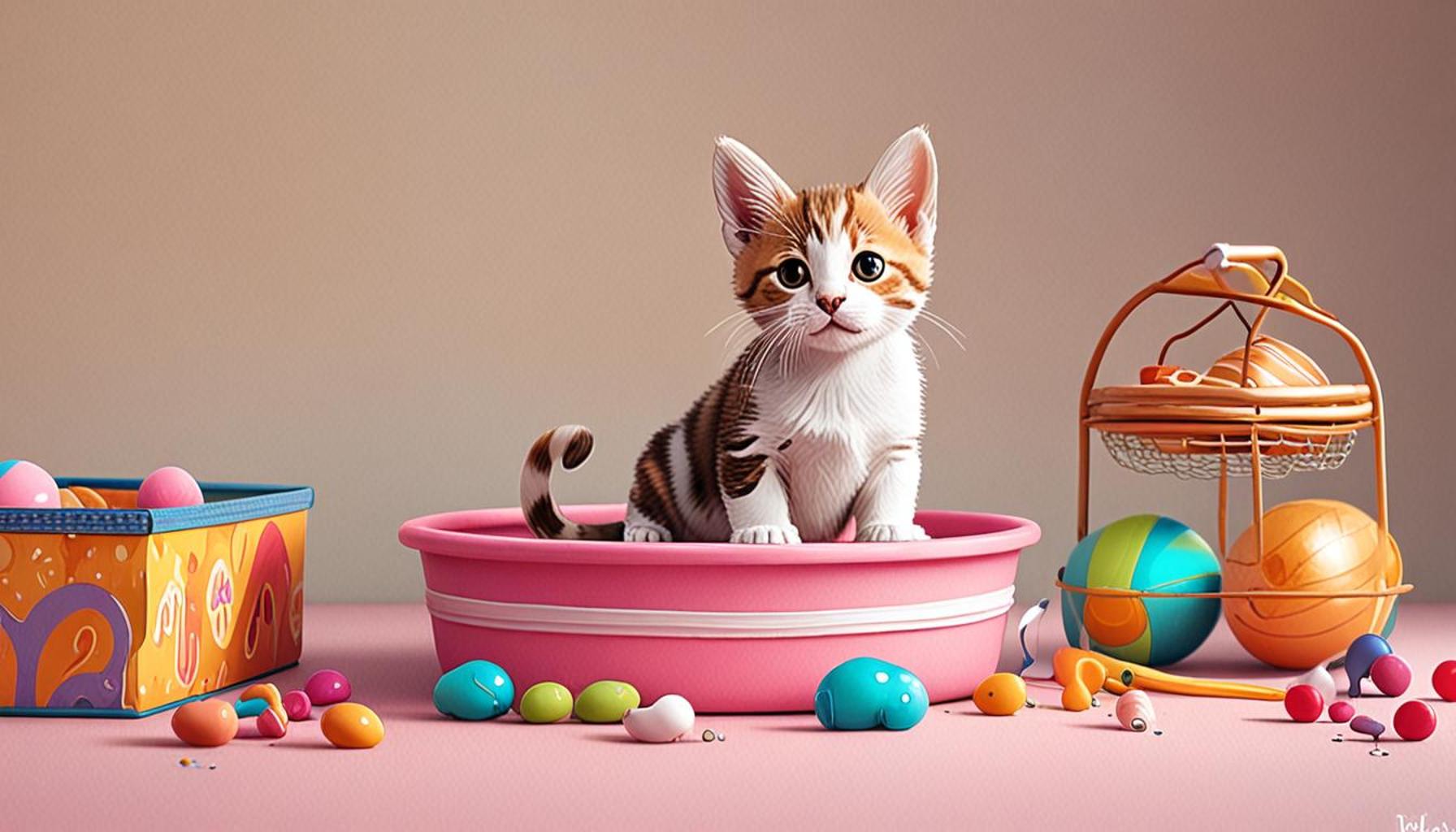
- Interactive Toys: Opt for toys that stimulate mental engagement and promote physical activity. For example, puzzle toys that hide treats can keep dogs mentally sharp, while feather wands can ignite a cat’s hunting instincts. Regularly rotating toys can also keep them interested and engaged, preventing boredom, which can lead to destructive behavior.
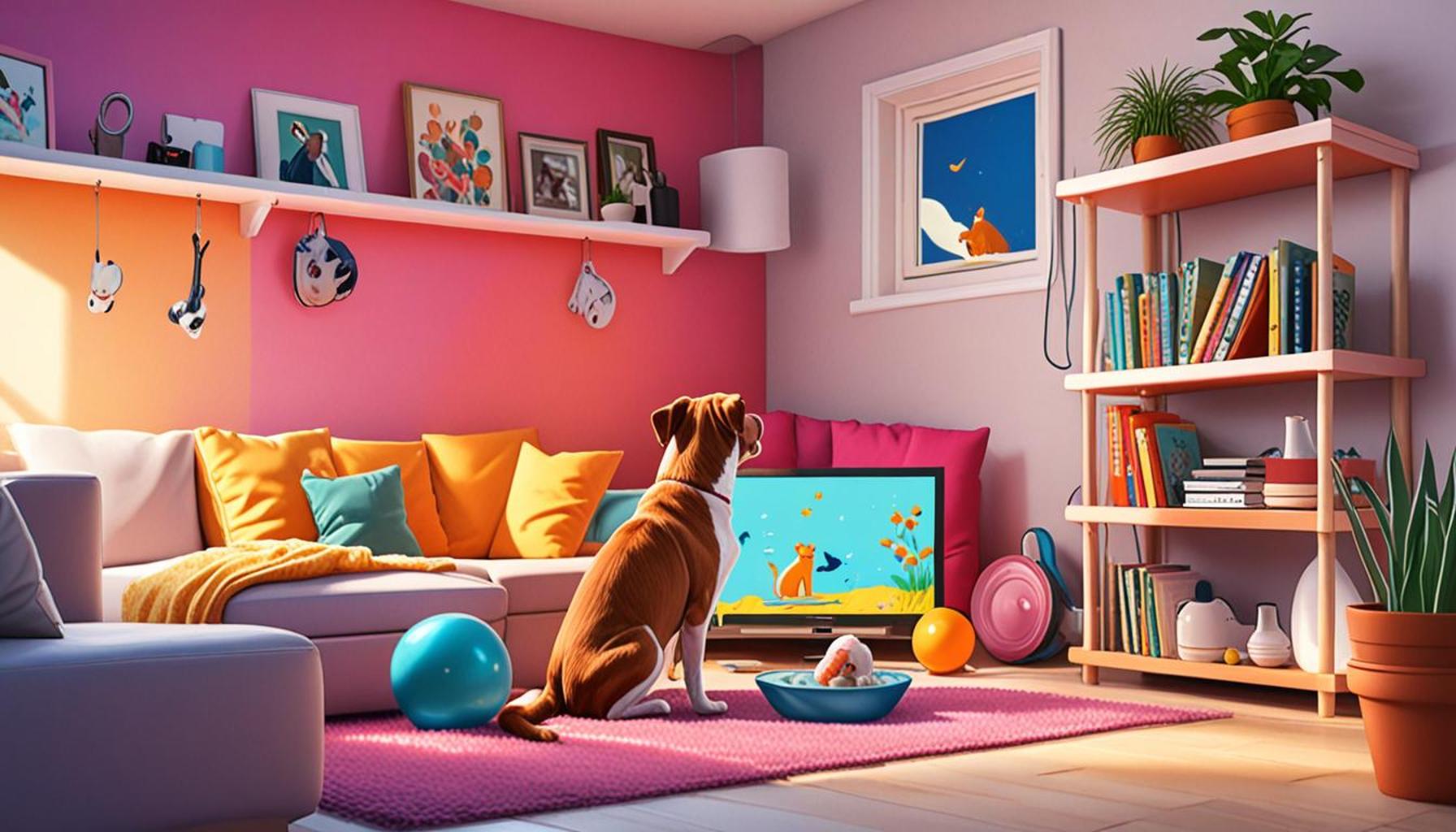
- Comfortable Rest Areas: Provide cozy spots equipped with soft bedding where your pet can relax and feel secure. Dogs often prefer a quiet corner with a bed, while cats may enjoy elevated spaces like cat trees or bookshelves that allow them to perch and observe their surroundings.
Understanding Your Pet’s Needs
Each type of pet has unique requirements that should be acknowledged. For instance, dogs typically thrive on outdoor activities, such as regular walks, playdates in dog parks, and the chance to explore nature trails. Breeds with high energy levels, like Border Collies or Labrador Retrievers, need ample exercise to remain balanced and happy.
In contrast, cats often appreciate vertical spaces and interactive playtime. Providing climbing structures and engaging in play with laser pointers can keep them physically active and mentally stimulated. Understanding your pet’s individual personality is key; for example, while some dogs might enjoy swimming or fetching a ball, others might prefer a leisurely stroll and plenty of belly rubs.
As you read through this article, you’ll discover practical tips and insights that will help you ensure your home is a sanctuary for your beloved companions. By focusing on safety and stimulation, you can enrich their lives and deepen your bond. Creating a pet-friendly space not only nurtures your furry friends, but also fosters a deeper connection, enhancing both their happiness and your shared experiences.

DISCOVER MORE: Click here to learn effective techniques
Elements of an Ideal Home for Your Pet
Creating a nurturing home for your pets goes beyond mere comfort; it requires a thoughtful approach to safety and stimulation. To truly enhance your pet’s well-being, consider integrating aspects that cater to their natural instincts while securing their living space. Here are some essential elements to incorporate:
- Secure Perimeters: First and foremost, ensure that your home is a safe haven by securing all potential escape routes. Check for gaps in fences, open doors, or even windows that might lead to an adventurous pet roaming outside unsupervised. Depending on your area, a sturdy fence or a pet gate can provide security and peace of mind for both you and your pet.
- Health-Conscious Environment: Pets may unknowingly ingest harmful substances, so it’s essential to keep household chemicals, including cleaners, out of reach. Consider utilizing pet-safe pesticides and cleaning products to maintain a healthy living space. Regular veterinary check-ups and vaccinations are also vital components to sustaining your pet’s overall health.
- Play Zones: Designate areas in your home as dedicated play zones where your pet can enjoy their toys and interact with family members. Create an inviting environment with colorful toys that entice playfulness. Ensure there’s enough room for your pets to engage in their natural behaviors, whether it’s chasing, jumping, or simply frolicking.
Creating an Engaging Atmosphere
Beyond basic safety measures, stimulating your pet’s mind and body is a pivotal aspect of their well-being. An enriching atmosphere provides both physical exercises, such as climbing, jumping, and fetching, and mental challenges that prevent boredom.
For dogs, incorporating elements that require problem-solving can significantly enrich their everyday life. Beyond mere fetch games, consider activities like agility training or interactive treat-dispensing toys that challenge them mentally and physically. According to the American Kennel Club, regular mental exercise, combined with physical exercise, can aid in minimizing behavioral problems.
Cats, on the other hand, often delight in innovative environmental enrichments. A combination of scratching posts, climbing shelves, and interactive toys can create an engaging vertical territory for them. Studies have shown that cats benefit from a multi-dimensional environment that encourages climbing and exploration, allowing them to indulge their natural instincts.
Moreover, using tools such as scent trails, hidden food enrichment, and toys that provide sensory experiences can keep both dogs and cats curious about their surroundings. Engaging your pet in games that activate their senses can improve their mental sharpness and happiness overall.
As we further explore ways to enhance your pet’s environment, keep in mind that the key to an enjoyable living space lies in the balance of safety and stimulation. By tailoring your home to your pet’s specific needs and instincts, you create not just a comfortable place to live, but a thriving ecosystem for your furry friends.
Creating a safe and stimulating environment for your pet at home is essential for their well-being and happiness. This involves not only securing your home but also enriching it to provide both safety and entertainment for your furry friend. Here are some crucial aspects to consider when setting up your pet-friendly space.First, safety should be your primary concern. Ensure that hazardous materials, such as cleaning supplies, chemicals, and small objects that can be swallowed, are stored away securely. Utilizing baby gates can help in restricting access to certain areas while creating a comfortable space for your pet to roam. Additionally, installing window screens can prevent unexpected escapes or accidents.Next, think about how to create a stimulating environment. Pets require mental and physical engagement to prevent boredom and anxiety. Consider adding interactive toys, scratching posts, or climbing shelves that provide opportunities for exercise and exploration. Rotating toys can keep your pet intrigued, offering them a variety of challenges without overwhelming them with options.Moreover, dedicated zones for relaxation are vital. Create a cozy space equipped with a soft bed and familiar blankets that provide comfort and security. This not only helps your pet feel at home but also promotes healthy sleeping habits, which are crucial for their overall health and mood.Planning outdoor activities is another effective way to engage your pet. Having a secure, enclosed outdoor area where they can play safely is essential. If you don’t have a yard, engaging in regular walks or finding nearby pet-friendly parks will suffice, fostering both exercise and socialization.Lastly, fostering companionship is key. Whether it’s welcoming a second pet or spending quality time with them, social interaction is essential for your pet’s emotional well-being. The bond you develop with your pet through play, training, and shared experiences will enrich their lives tremendously.By ensuring both safety and stimulation in your home, you can create a harmonious environment where your pet can thrive, feel secure, and enjoy an enriched lifestyle. This deliberate focus on their surroundings promotes happiness and health, letting you enjoy countless joyful moments together.
DIVE DEEPER: Click here to discover the emotional benefits of pet adoption
Incorporating Natural Elements in Your Home
One of the most effective ways to promote both safety and stimulation for your pet is to incorporate natural elements into your home environment. Pets, like humans, benefit from exposure to nature, which can reduce stress and enhance overall well-being. Here are some strategies to transform your living space into a more natural habitat:
- Indoor Plants: Select pet-safe indoor plants to add greenery and improve air quality. Spider plants, Boston ferns, and areca palms not only beautify your space but also serve to engage your pet’s natural curiosity. Just ensure you avoid toxic plants like lilies or sago palms that can be harmful.
- Natural Light and Fresh Air: Pets thrive in environments with ample natural light and ventilation. Position your pet’s resting spots near windows or on sunlit areas of your home. Fresh air circulation is essential, so consider opening windows when the weather permits. A well-ventilated space can also help decrease odors from litter boxes or pet beds.
- Outdoor Exploration: If possible, create a secure outdoor area where your pet can enjoy nature safely. A enclosed garden or patio can allow your furry friend to explore sights and sounds, which provides essential mental stimulation and promotes physical activity. Provide shaded spots where your pet can cool down on warm days, and be sure to supervise their outdoor time.
Creating Safe and Enriching Feeding Spaces
Your pet’s dining area can also be transformed into a space that fosters safety and engagement. Feeding times, when approached correctly, can play a critical role in enhancing their mental well-being:
- Interactive Feeders: Consider using interactive or puzzle feeders that stimulate your pet’s mind during mealtime. These feeders dispense food only after solving a challenge, which can help slow down fast eaters while keeping them entertained.
- Designated Feeding Zones: Establish a consistent feeding area that is away from high-traffic zones. This not only minimizes distractions but also helps your pet feel more secure during meals. Additionally, ensure food and water bowls are easy to access and made from safe materials.
- Regular Schedule: Animals thrive on routine. Set specific feeding times to help your pet understand when to expect meals. This predictability can significantly cut down on anxiety levels, leading to a more relaxed environment.
Enhancing Social Interactions
Socialization is a vital aspect of your pet’s happiness and safety, especially when done in controlled environments. Engaging with your pet and introducing them to various experiences will help them develop confidence and adaptability:
- Playdates: Organize playdates with dogs or cats that have been introduced gradually to your pet. Social interactions help them learn appropriate behaviors and enrich their lives. Supervised play sessions are useful for not only socialization but also providing physical and emotional stimulation.
- Training Sessions: Incorporate regular training sessions into your routine to address behavioral issues and reinforce good habits. Positive reinforcement techniques can make training enjoyable while nurturing the bond between you and your pet.
- Quality Time: Dedicate time each day for direct engagement with your pet, whether it’s cuddling, grooming, or simply being present. Pets are instinctively attuned to human emotions, and quality bonding time can enhance their sense of security and connection.
By thoughtfully designing your home to integrate natural elements, safe feeding practices, and rich social experiences, you cultivate an enriching atmosphere that fosters both safety and stimulus. This multifaceted approach not only contributes to your pet’s happiness but also builds a deeper bond between you and your furry family member.
LEARN MORE: Click here for essential tips on your cat’s health
Understanding the Importance of a Nurturing Environment for Pets
Creating a safe and stimulating environment for your pet at home is not just a nicety; it is a fundamental responsibility that significantly contributes to their overall happiness and well-being. Much like humans, pets thrive in surroundings that promote comfort and security. Integrating natural elements such as indoor plants—while ensuring they are pet-safe—can introduce stimulating sensory experiences for your furry friend. For example, spider plants and Boston ferns not only purify the air but can also pique your pet’s interest, prompting exploration and play.
In addition, enhancing feeding spaces is vital. Consider interactive feeding devices, such as puzzle feeders, which require your pet to engage their problem-solving skills while enjoying their meals. This not only taps into their natural instincts but also helps alleviate boredom, keeping them mentally sharp and physically active. Moreover, creating varied feeding areas—perhaps utilizing different rooms or outdoor spaces—can break the monotony and incite a sense of adventure, reminiscent of a scavenger hunt.
Social Interactions and Training: Keys to Confidence
Moreover, regular socialization opportunities and training sessions can greatly boost your pet’s confidence. For instance, enrolling your dog in obedience classes or arranging playdates with other pets can foster vital social skills and prevent behavioral issues that stem from anxiety or fear. Engaging with your pet daily not only strengthens your emotional connection but can also improve their temperament, leading to a more harmonious household.
As you continue to enhance their living space, it is prudent to delve deeper into the specific needs and characteristics associated with your pet’s breed, age, and temperament. For example, high-energy breeds like Border Collies may require more complex environments that include ample physical exercise and mental challenges, while older pets may benefit from quieter, comfortable spaces for rest. Tailoring your approach to suit their individual requirements can unlock new avenues of joy in your relationship.
Conclusion: The Ripple Effect on Quality of Life
By investing time and effort into establishing a nurturing environment for your pets, you don’t just elevate their quality of life; you enrich your own experience as a pet owner. A pet that feels safe and engaged is likely to exhibit better behavior, making for a more enjoyable relationship. Remember, a well-stimulated pet is a happy pet, and their well-being directly reflects the atmosphere you create for them. Ultimately, fostering a loving and enriching environment will invite joy into both your lives, leading to a harmonious and fulfilling companionship.

Linda Carter
Linda Carter is a writer and pet care expert specializing in pet health, grooming, and wellness. With extensive experience helping pet owners create safe, loving, and enriching environments for their animals, Linda shares her knowledge on our platform. Her goal is to empower readers with practical advice and strategies to ensure their pets thrive and lead joyful, healthy lives.