The Relevance of Hygiene and Care for Your Pet’s Skin and Coat

The Necessity of Skin and Coat Care for Pets
Proper hygiene and grooming for your pet’s skin and coat are not just about aesthetics; they play a critical role in your pet’s overall health and well-being. Each pet, whether a dog with a thick double coat or a cat with shorter fur, has its distinct skin care requirements. Addressing these needs is vital; failure to do so can lead to uncomfortable health issues that affect their quality of life.
Key Benefits of Good Hygiene
- Prevention of Skin Diseases: Regular grooming and cleaning can ward off skin infections, pyoderma, and irritations caused by dirt, matting, or excess oil. For instance, breeds like Bulldogs are particularly prone to skin fold dermatitis, a condition that can be mitigated through diligent cleaning and care.
- Allergy Management: Just like humans, dogs and cats can suffer from allergies, including flea, food, and environmental allergies. By keeping your pet clean, you help reduce exposure to allergens such as pollen and dust mites, potentially alleviating itchy skin and other allergy-related symptoms.
- Improved Bonding: Grooming your pet can be a deeply rewarding experience for both of you. It’s a time for connection, allowing you to check for anomalies or irritations while providing comfort. For many pets, grooming sessions are enjoyable, reinforcing their trust and affection towards you.
Furthermore, a well-kept coat isn’t merely about looks—it is a clear indicator of good health. To achieve and maintain optimal skin and coat condition, consider the following essential practices:
- Regular Bathing: It’s important to bathe your pet regularly, but the frequency varies with each species and breed. Generally, using pet-friendly, hypoallergenic shampoos can help keep their skin hydrated. For example, breeds like Poodles often do well with frequent bathing due to their hair type.
- Grooming Tools: The right grooming tools can make a significant difference. A de-shedding tool can be incredibly beneficial for shedding breeds like Golden Retrievers, while a slicker brush is excellent for long-haired cats to prevent matting.
- Veterinary Checks: Regular veterinary check-ups are crucial; they enable early detection of skin disorders such as parasitic infections or allergies. Moreover, veterinarians can provide personalized advice on grooming routines and dietary adjustments that promote a healthy coat.
As guardians of our beloved animals, it is essential to prioritize hygiene and care. By ensuring that your pet’s skin and coat needs are met, we can significantly enhance their happiness and health. Understanding these factors can lead you on a path of discovery, unveiling countless resources and products designed to help your furry companions thrive.
DISCOVER MORE: Click here to learn how to choose the perfect pet for your family
Understanding Your Pet’s Skin and Coat Needs
The skin is the largest organ in your pet’s body, serving not only as a protective barrier but also as a window into their overall health. A pet’s skin and coat reflect their internal state; thus, neglecting these areas can have serious repercussions. Understanding what contributes to a healthy skin and coat is essential for any responsible pet owner.
The Importance of Regular Grooming
Grooming is not merely a routine task; it is a fundamental practice that aids in maintaining your pet’s skin and coat health. Through regular grooming, you can manage shedding, remove dirt and debris, and even help with blood circulation. Different pets have diverse grooming needs based on their breed, coat type, and lifestyle:
- Short-haired Breeds: Breeds like Beagles or Boxers often require less frequent grooming but benefit from regular brushing to minimize shedding. A simple grooming session can prevent loose hair from floating around your home while also checking for any potential skin issues.
- Long-haired Breeds: Dogs such as Collies or cats like Persians often require more attention to prevent tangles and mats. Untamed fur can lead to skin irritations and infections, making routine grooming essential.
- Sensitive Skin: Breeds like the Chihuahua can have sensitive skin that requires gentle handling. Using appropriate tools and techniques can help alleviate discomfort and maintain skin integrity.
Diet and Its Role in Coat Health
Another crucial aspect of maintaining your pet’s skin and coat involves their diet. A balanced diet rich in essential fatty acids, vitamins, and minerals can significantly impact the quality of your pet’s coat. For instance, Omega-3 and Omega-6 fatty acids, commonly found in fish oil or flaxseed, are known to enhance coat shine and reduce dryness.
Furthermore, be mindful of any dietary allergens that could lead to skin irritations. Ingredients like chicken or corn are common triggers for many pets. Consulting with a veterinarian about your pet’s diet can help identify the best nutritional approach to support skin health.
Monitoring Skin Conditions
As a pet owner, you play a crucial role in observing the condition of your furry friend’s skin. Regularly check for:
- Rashes or Redness: These can be signs of allergies, infections, or irritations.
- Excessive Scratching or Biting: Notice if your pet exhibits behaviors such as scratching or biting at their skin, which may indicate discomfort.
- Fleas or Ticks: Regularly checking for parasites is essential, as these can cause serious dermatitis and infections.
By staying vigilant and proactive in monitoring your pet’s skin and coat, you set the foundation for a healthier and happier life for your beloved companion. Understanding these elements of hygiene and care can greatly impact the bond between you and your pet, as well as influence their overall health. Investing in your pet’s skin and coat care is, ultimately, investing in their quality of life.
The Relevance of Hygiene and Care for Your Pet’s Skin and Coat
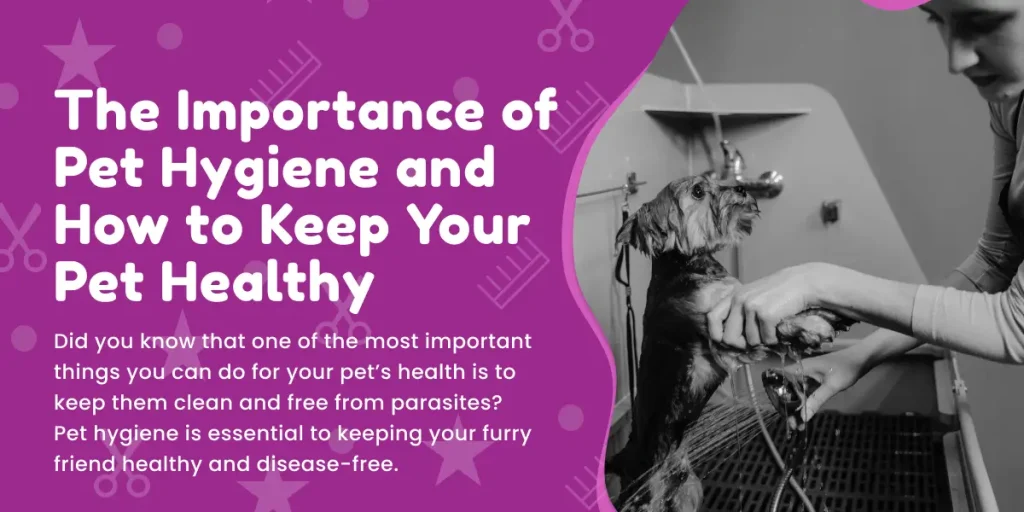
Pets, much like humans, require regular hygiene and care to maintain their skin and coat health. Adequate grooming not only helps in projecting a beautiful appearance but also plays a crucial role in the overall well-being of your furry companions. Understanding the importance of pet hygiene will not only enhance your pet’s aesthetics but is also vital in preventing various skin-related ailments.
This practice involves different facets, including bathing, brushing, and skin inspections. Regular baths using suitable, pet-specific shampoos can help eliminate dirt, allergens, and pests that thrive in unkempt coats. The frequency might vary based on your pet’s breed and lifestyle, but maintaining a consistent schedule goes a long way in promoting healthy skin.
Brushing your pet’s coat serves as an essential grooming technique. It aids in distributing natural oils, removing dead hair, and minimizing shedding, while also preventing matting. Plus, during brushing sessions, you have the perfect opportunity to check for signs of skin issues such as redness, bumps, or parasites, making it easier for early intervention.
Moreover, nutrition plays a decisive role in the health of your pet’s skin and coat. A balanced diet rich in fatty acids and essential vitamins can contribute tremendously to maintaining a glossy coat and healthy skin. Thus, selecting high-quality pet food and supplements designed for skin and coat health can be incredibly beneficial.
To emphasize these points further, here’s an informative table highlighting some key advantages of prioritizing hygiene and care for your pet’s skin and coat:
| Category 1 | Category 2 |
|---|---|
| Prevention of Skin Issues | Regular grooming helps identify and address potential problems before they escalate. |
| Improved Coat Condition | Consistent care maintains natural oil distribution, resulting in a shiny and healthy coat. |
With the right approach to hygiene and care, you ensure not only the beauty but also the health of your pet’s skin and coat. The love and attention you give will undoubtedly pay off in happiness and vitality, making it a rewarding responsibility for every pet owner.
DISCOVER MORE: Click here to learn how to choose the right pet for your family
The Impact of Environment on Skin and Coat Health
Just as a balanced diet is essential for your pet’s well-being, so too is their environment. The surroundings in which your pet lives can significantly impact the health of their skin and coat. Factors such as humidity, temperature, and even seasonal changes play a pivotal role in how your pet’s skin reacts.
Environmental Considerations
In the United States, *seasonal changes* can lead to different skin challenges for pets. For instance, during the summer months, pets might be more susceptible to sunburn and overheating, especially if they have light-colored or short hair. It’s important to provide shade and access to cool water, and consider applying pet-safe sunscreen to vulnerable areas like the nose and ears. On the other hand, winter can bring dry, cold air that may lead to dry, flaky skin. Using a humidifier in your home can help counteract this dryness, contributing to healthier skin.
Parasite Prevention
Keeping your pet’s coat free from parasites is vital for maintaining skin health. Fleas, ticks, and mites not only irritate your pet’s skin but can also lead to severe diseases if left untreated. Implementing a reliable parasite control program is essential. Consult with your veterinarian on the best preventive medications available, as there are numerous options ranging from topical treatments to oral medications. Regular bathing with vet-recommended shampoos can also help eliminate any lurking parasites and soothe irritated skin.
Skin Care Products and Treatments
Understanding which products to use can further enhance your pet’s hygiene regimen. Many commercial grooming shampoos and conditioners contain harsh chemicals that may strip natural oils from your pet’s skin, causing more harm than good. Look for *hypoallergenic*, *natural*, or *organic* options specifically designed for pets, as these tend to be more gentle and nourishing.
Additionally, consider incorporating topical treatments designed to manage specific skin conditions, such as medicated shampoos for pets with allergies, dermatitis, or infections. Regular vet check-ups can help identify problems early and guide you towards effective treatments.
The Role of Bathing
Bathing is another integral component of your pet’s hygiene and care. However, how often you bathe your pet greatly depends on their breed, lifestyle, and skin type. For example, dogs that enjoy outdoor activities may need more frequent baths to remove dirt and debris. In contrast, less active pets may require only occasional baths to maintain their coat.
When bathing your pet, it’s essential to use lukewarm water and a gentle approach to avoid frightening them. Always make sure to rinse thoroughly, as leftover shampoo can lead to skin irritations. After bathing, consider towel drying or using a pet-safe hairdryer on a low setting to avoid chilling your pet.
The Importance of Routine Veterinary Check-ups
Finally, regular veterinary visits can’t be overstated when it comes to your pet’s skin and coat health. Establishing a routine schedule for veterinary check-ups can help identify any skin conditions before they exacerbate. Your veterinarian can offer tailored recommendations regarding nutritional needs, grooming practices, and any potential environmental concerns based on your geographic location and seasonal influences.
Ultimately, the connection between your pet’s hygiene, overall health, and even happiness cannot be overlooked. By investing the time, effort, and resources into understanding their skin and coat care needs, you will enrich not only their lives but also your bond with them. Embracing a comprehensive approach can prevent potential issues and pave the way for a vibrant and healthy life for your cherished companion.
DISCOVER MORE: Click here for essential adoption tips
Conclusion
In conclusion, maintaining proper hygiene and care for your pet’s skin and coat is vital for their overall health and happiness. The interplay of diet, environment, and regular grooming all contribute to the radiant coat and healthy skin your furry friend deserves. As we’ve highlighted throughout the article, recognizing the impact of seasonal changes, ensuring effective parasite prevention, and selecting the right grooming products are essential steps in this comprehensive care regimen.
The importance of routine veterinary check-ups cannot be overstated, as early detection of skin issues can make a significant difference in treatment outcomes. However, it’s equally crucial to develop a personalized grooming and bathing schedule tailored to your pet’s specific needs based on their breed, lifestyle, and skin type.
Moreover, understanding the various factors that influence your pet’s skin and coat health allows you to make informed decisions that promote well-being. For pet owners across the United States, adapting your care techniques to accommodate environmental conditions such as humidity and temperature will enhance the effectiveness of your efforts.
Ultimately, prioritizing hygiene and dermatological care fosters a deeper bond between you and your pet, enriching their lives while concurrently alleviating potential issues before they escalate. By dedicating attention to these critical aspects, you not only ensure a vibrant, healthy coat for your companion but also contribute to their overall quality of life. So, take those proactive measures, and let your pet shine!

Linda Carter
Linda Carter is a writer and pet care expert specializing in pet health, grooming, and wellness. With extensive experience helping pet owners create safe, loving, and enriching environments for their animals, Linda shares her knowledge on our platform. Her goal is to empower readers with practical advice and strategies to ensure their pets thrive and lead joyful, healthy lives.