How to Prepare Your Pet for the Arrival of a Baby: Tips for a Smooth Transition
The Journey to Family Harmony
For many, the prospect of becoming a parent is an exhilarating experience filled with dreams and hopes. However, the excitement of welcoming a new baby can also be paired with concerns, particularly if you have a cherished pet at home. The introduction of an infant into a household that includes a furry family member necessitates careful planning and proactive measures to ensure that both the child and the pet can coexist peacefully.
Understanding how your pet might react is the foundation of this preparatory journey. Pets, especially dogs and cats, can be sensitive to changes in their environment. As a new baby will bring unfamiliar sounds and smells, it is not unusual for pets to feel anxious or confused at first. For instance, the crying of a baby can be unsettling to a dog that is unaccustomed to such noise. Additionally, the myriad scents associated with baby care — from diapers to baby lotions — can be overwhelming and might evoke curiosity or even fear in some pets.
One of the most common concerns among expecting pet owners is whether their loyal companions will feel overlooked or neglected once the baby arrives. Pets, especially those who have been the sole focus of attention, may exhibit signs of jealousy or distress if they feel they are not receiving the same level of love and care. However, this doesn’t have to be a reality. By implementing a few preventive strategies, you can help your pet adjust while maintaining their sense of security.
Effective Strategies for a Smooth Transition
To facilitate a seamless integration of your pet into the new family dynamic, early preparation is key. Here are some effective strategies:
- Introduce Baby Items Gradually: Before the baby arrives, allow your pet to explore new items such as cribs and strollers. Familiarizing them with these objects can lessen their curiosity and anxiety about the changes ahead.
- Positive Reinforcement: Use treats and praise to reward your pet for calm behavior around baby items and during new sounds. This technique not only reinforces positive behavior but also builds their confidence during an uncertain time.
- Allocate Quality Time: Schedule dedicated time each day to spend exclusively with your pet. Whether it’s playtime or cuddling, ensuring they receive attention can help mitigate feelings of neglect and assure them they remain a vital part of the family.
Each pet has its distinct personality and temperament, which makes understanding their behavior crucial for a smooth transition. For instance, while some dogs may embrace the changes readily, others may require a more extended adjustment period. Furthermore, incorporating your pet into family routines, like taking walks with both the baby in a stroller and your dog on a leash, can foster a sense of inclusion and companionship.
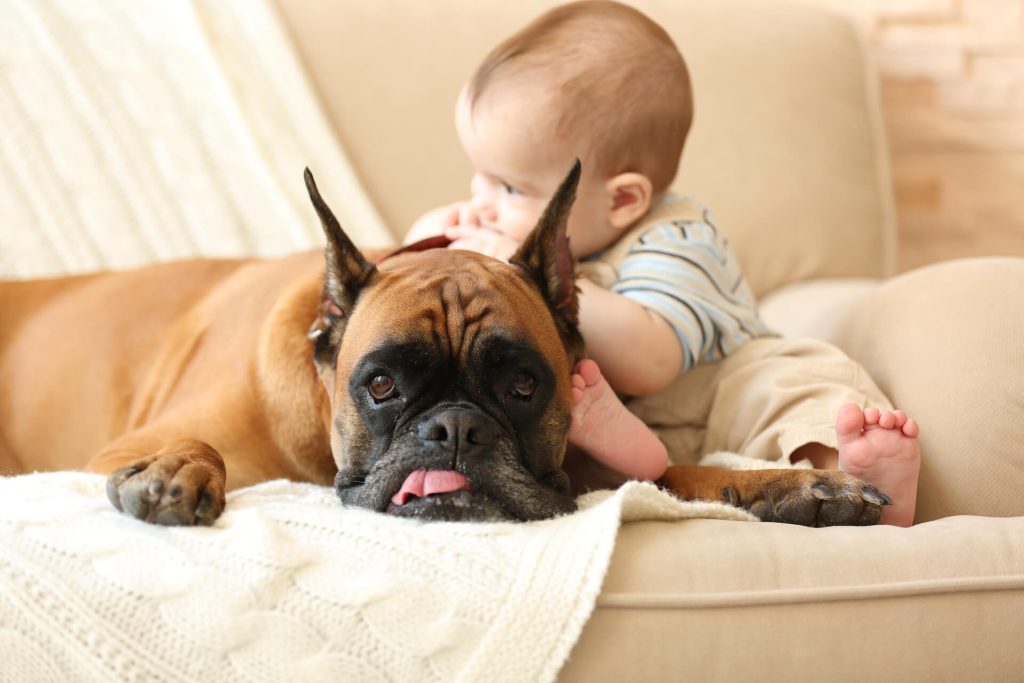
In conclusion, with the right preparation and gradual adjustments, you can create a harmonious environment where both your pet and baby can thrive. The goal is to nurture a loving and safe atmosphere, ultimately allowing every member of your family, human or furry, to flourish together. By prioritizing their relationship and carefully considering your pet’s needs, you pave the way for a fulfilling family life enriched by the love of both your child and pet.
LEARN MORE: Click here for insights on choosing the perfect pet feed
Essential Preparations for Your Pet
As you embark on this exciting journey of parenthood, it is vital to consider your pet’s perspective and make necessary adjustments in your home to create a nurturing environment for both your new baby and your beloved animal. Starting early can significantly reduce anxiety for your pet, preventing potential behavioral issues once the baby arrives. Here are some essential preparations to ensure a smooth transition:
- Establish New Routines: Once you learn of your pregnancy, begin incorporating changes into your daily routine that will reflect the new family dynamic. For example, if you have a dog, consider taking walks at specified times that mirror a schedule you might follow with a baby. This will help your pet acclimate to the adjustments in your lifestyle.
- Desensitize to New Noises: Introduce your pet to various sounds they may encounter when the baby arrives. This can include recordings of baby cries, laughter, or the sounds of baby toys. By exposing them gradually to these noises, you can help alleviate some of the fright and confusion they might experience.
- Teach Basic Commands: Now is the perfect time to reinforce basic obedience commands, such as “sit,” “stay,” and “leave it.” Familiarity with these commands will enable you to maintain control in circumstances where your pet may be unduly curious or anxious around the baby.
Understanding your pet’s temperament is paramount during this process. For instance, an energetic dog may find it difficult to adjust during the early stages, while a more laid-back cat might adapt with minimal fuss. Observing their behavior as you introduce these changes will give you insight into their comfort level and readiness to evolve as a member of your expanding family.
Additionally, it’s beneficial to begin discussing the arrival of a new family member with your pet in positive terms. Using encouraging words and cheerful tones when mentioning the baby can instill a sense of excitement rather than dread. It is essential that your pet begins associating the impending changes with positivity, setting the stage for harmonious coexistence.
Taking proactive steps now not only enhances your pet’s ability to acclimate to the changes that will come with the arrival of a baby, but it also deepens the bond you share with your furry friend. By prioritizing their comfort and happiness, you encourage a nurturing environment where both your pet and baby can flourish together, supporting the dream of a harmonious family life.
| Category | Benefits for Transition |
|---|---|
| Gradual Exposure | Introducing your pet to baby items slowly helps reduce anxiety and fosters adaptability. |
| Training Commands | Reinforcing basic commands ensures your pet understands expectations, promoting safety and comfort. |
| Positive Association | Using treats and praise when they are near baby items creates a favorable impression. |
| Routine Adjustment | Modifying your pet’s schedule in advance prepares them for changes after the baby’s arrival. |
When preparing for a baby’s arrival, ensuring a seamless transition for your pet is crucial. Start with gradual exposure, allowing your pet to familiarize themselves with new scents and sounds associated with babies. Training commands can ensure that your pet understands boundaries and expectations, essential for maintaining safety once the baby arrives and can be quite healing for the pet as they learn to adapt.It’s equally important to create positive associations by rewarding your pet when they are calm around baby items, as this can shift their perception from apprehension to acceptance. Finally, adjusting your pet’s routine before the baby arrives will help them acclimate to the new family dynamic without distress.As you work together to ensure a harmonious blending of your family’s needs, you will make the entire process smoother for your furry friend. Understanding the necessary preparations will contribute immensely to a welcoming environment for your baby and a reassuring space for your cherished companion.
DISCOVER MORE: Click here to learn about your dog’s nutritional needs
Creating Safe Spaces for Your Pet
As you prepare for the arrival of your baby, it is crucial to establish safe spaces for your pet within your home. This ensures that both your pet and your new baby have designated areas where they can feel secure and comfortable. Creating these spaces can alleviate potential conflicts and help manage your pet’s stress during this transitional time.
- Designate Pet-Free Zones: Consider setting up certain areas of your home, such as the nursery or designated play areas, as pet-free zones. This provides your baby a safe environment and gives your pet specific areas where they can relax away from the bustle of new baby activities. Use gates, doors, or even playpens to define these spaces effectively.
- Provide Comfort Items: Ensure your pet has access to their favorite toys, bedding, and comfort items in their designated space. Familiar smells and textures can help soothe anxiety. Rotating toys and introducing new items can keep your pet engaged while they acclimate to the new family dynamics.
- Incorporate Training into Time-Outs: If your pet exhibits anxious or aggressive behavior, consider using time-outs to help them unwind. Encourage them to retreat to their designated space on their own when situations become overwhelming. This teaches your pet that it’s entirely acceptable to step away and take a break whenever they need one.
Introducing Your Pet to Baby Smells and Items
An essential part of preparing your pet for the new addition is familiarizing them with the baby’s scents and items. This can foster their sense of curiosity and acceptance. Start by gradually introducing your pet to the baby’s belongings before the actual arrival.
- Baby Gear Familiarization: Allow your pet to explore baby gear like strollers, car seats, and bassinets before the baby arrives. Let them sniff these items from a distance and gradually encourage closer interactions. Having the items around will help them understand that a new family member is joining the household.
- Introduce Baby Scents: Use a soft cloth to gently wipe the baby’s skin after birth (if possible) and allow your pet to sniff it. Alternatively, bring home a blanket from the hospital that the baby has used. This will create an association between the baby and comforting scents, making acceptance easier.
- Use Positive Reinforcement: Whenever your pet engages positively with the baby items, such as sitting calmly near a stroller or sniffing a blanket, reward them with treats or praise. This builds positive associations, making it more likely they’ll react favorably when the baby actually arrives.
Adjustments can take time, and each pet is unique in their way of processing changes in their environment. Monitoring their behavior for signs of stress, anxiety, or jealousy is crucial. If you notice changes in appetite, increased vocalization, or destructive behavior, respond with care and attention to reassure your pet.
There are also professional trainers and veterinarians who can assist in addressing behavioral issues or anxieties your pet may experience. Seeking expert advice provides additional strategies tailored to your pet’s specific needs, ensuring they continue to feel loved and secure as your family grows.
DIVE DEEPER: Click here to discover the emotional rewards of pet adoption
Conclusion: Ensuring a Harmonious Family Dynamic
In conclusion, preparing your pet for the arrival of a baby is not just a matter of practicality but also an act of love that fosters a harmonious family dynamic. From establishing designated spaces to introducing baby scents, every step plays a crucial role in easing the transition for both your pet and your new family member. Understanding your pet’s needs and adjusting expectations will go a long way in promoting their sense of security and comfort during this significant life change.
Remember, the key lies in positive reinforcement and gradual exposure. The earlier you start this preparation process, the better your pet can adapt to the changing environment. Always keep an eye on their behavior, and be ready to provide reassurance or seek professional guidance if needed. Many pets require time and patience to adjust, and it’s essential to acknowledge and respect their feelings during this transition.
Furthermore, with proper planning, love, and understanding, your pet can embrace the new family member—a joyous addition that brings everyone closer together. The journey of parenthood doesn’t mean your furry friend is left behind; instead, it can open new avenues of love and companionship for all. As you embark on this exciting chapter, let the principles highlighted in this article guide you toward a smooth and happy coexistence. When both your pet and baby feel secure and loved, you’ll set the stage for countless beautiful memories to unfold together as a family.

Linda Carter
Linda Carter is a writer and pet care expert specializing in pet health, grooming, and wellness. With extensive experience helping pet owners create safe, loving, and enriching environments for their animals, Linda shares her knowledge on our platform. Her goal is to empower readers with practical advice and strategies to ensure their pets thrive and lead joyful, healthy lives.