The Importance of Veterinary Prevention: Vaccines and Regular Check-ups for Pets
The Vital Role of Veterinary Prevention
Understanding the importance of veterinary prevention is crucial for pet owners who want to ensure their furry friends lead long, healthy lives. Regular check-ups and vaccinations not only protect pets from life-threatening diseases but also improve their overall well-being, leading to happier, more vibrant lives.
Pet vaccinations are essential because they:
- Prevent serious diseases: Conditions like rabies, parvovirus, and distemper can be fatal, severely impacting a pet’s quality of life. In particular, rabies is a zoonotic disease, meaning it can be transmitted from animals to humans, making vaccination an important public health measure.
- Reduce transmission: Vaccinated pets lower the risk of spreading infections to other animals. For example, parvovirus can quickly sweep through unvaccinated dog populations, leading to devastating outbreaks in shelters and communities.
- Enhance community health: Immunization contributes to herd immunity, protecting those pets who may be unable to receive vaccinations due to health issues. This communal effort also extends to human populations, as highlighted by the cooperation between veterinary and public health sectors during recent public health initiatives, such as rabies control programs.
Regular veterinary check-ups complement vaccines in significant ways:
- Identifying health issues early: Routine examinations can catch problems before they become severe. For instance, a vet may detect signs of dental disease during a check-up, which can lead to intervention and better long-term health.
- Providing expert advice: Veterinarians can guide pet owners on nutrition and behavioral concerns, offering tailored recommendations based on the pet’s age, breed, and lifestyle. This advice is critical since different breeds may have unique health needs and dietary requirements.
- Maintaining preventive care: Check-ups often include essential treatments like flea and tick prevention. Given the rise of vector-borne diseases, such as Lyme disease, which is transmitted by ticks, these preventive steps are vital for the well-being of both pets and their human families.
Investing in veterinary prevention is not just about protocols; it is about enriching the lives of pets and their families. This proactive approach leads to healthier pets and a more harmonious relationship between animals and humans. Additionally, many veterinary clinics now offer wellness plans that spread the cost of preventive care over months, making it more accessible for pet owners. Discover the crucial steps to protect your beloved companions and why they matter—engaging in preventative care today can lead to a brighter tomorrow for your four-legged friends.
DON’T MISS OUT: Click here to discover the benefits of socialization for your pets
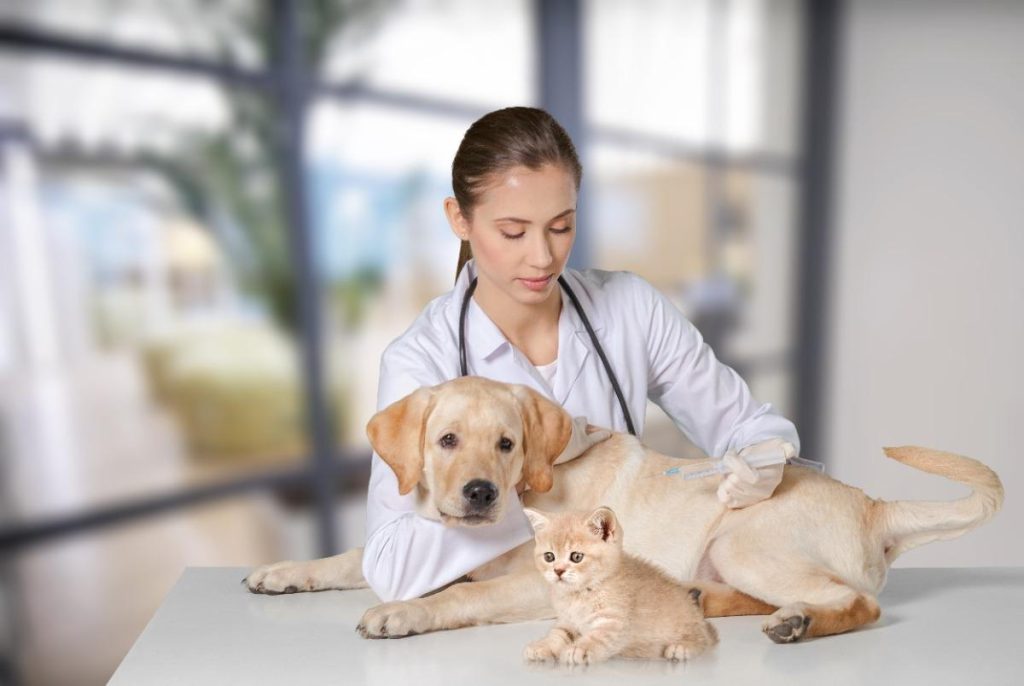
Understanding Vaccination Protocols
Vaccines play a crucial role in the landscape of veterinary prevention, serving as the frontline defense against numerous debilitating illnesses. For pet owners in the United States, recognizing the recommended vaccination schedules for dogs and cats is essential to ensuring optimal health. The American Animal Hospital Association (AAHA) provides a comprehensive guide that outlines core vaccines, which are essential for all pets, and non-core vaccines that may be relevant based on specific lifestyle factors.
Core vaccines include:
- For Dogs: Canine parvovirus, canine distemper virus, canine adenovirus (infectious canine hepatitis), and rabies. These vaccines are typically administered in a series during the puppy’s first year, followed by boosters at regular intervals.
- For Cats: Feline viral rhinotracheitis, calicivirus, panleukopenia, and rabies. Similar to dogs, these vaccines are administered in a series during kittenhood, with periodic boosters to maintain immunity.
Non-core vaccines may include protection against diseases such as leptospirosis and Bordetella (kennel cough) for dogs, or feline leukemia and feline immunodeficiency virus for cats. The decision to vaccinate against these diseases should be made based on the pet’s exposure risk, lifestyle, and health history, emphasizing the importance of consulting a veterinarian during regular check-ups.
The Significance of Regular Check-ups
Regular veterinary check-ups are an integral part of maintaining a pet’s overall health, offering a wide array of benefits that complement vaccinations. An annual wellness exam allows veterinarians to assess the physical condition of a pet and to provide preventive care tailored to their specific needs.
During such visits, veterinarians typically conduct:
- Thorough physical examinations: This includes checking vital signs, examining eyes, ears, and teeth, and palpating the abdomen. Early detection of potential health issues, such as tumors or dental disease, can lead to more effective treatment.
- Diagnostic testing: Blood tests and other diagnostic procedures can evaluate organ function and help detect underlying conditions that may not be immediately apparent. These tests are invaluable for assessing changes in health over time, especially as pets age.
- Updating vaccination records: Regular check-ups provide an opportunity to ensure that all vaccinations are current, reducing risks not only for the individual pet but also for the community at large.
In addition to the physical benefits, regular veterinary visits foster a deeper relationship between pets and their owners. Pet owners gain a better understanding of how to care for their companions throughout different life stages, learning about changes that may arise due to aging or specific health needs. This empowers them to make informed decisions that can significantly impact their pet’s quality of life.
By prioritizing both vaccinations and consistent veterinary check-ups, pet owners are making a proactive commitment to their pet’s health. This investment not only safeguards against preventable diseases but also enriches the bond shared with their beloved animals, paving the way for longer, healthier lives together.
| Category | Description |
|---|---|
| Vaccination | Vaccines protect pets from fatal diseases such as rabies, parvovirus, and distemper. They bolster the immune system and sometimes create herd immunity within communities, reducing the spread of infectious diseases. |
| Regular Check-ups | Routine veterinary visits facilitate early detection of health issues, allowing for more effective treatment. Regular examinations include dental check-ups, weight management, and screening for age-related diseases, enhancing overall wellness. |
The importance of veterinary prevention through vaccines and regular check-ups cannot be overstated. With vaccines, pets not only safeguard their own health but also contribute to public health by minimizing the risk of zoonotic diseases—those that can be transmitted from animals to humans. As responsible pet owners, staying on top of your pet’s vaccination schedule is not just a precaution, but a commitment to their wellbeing and the health of your family. Furthermore, regular check-ups serve as a cornerstone of preventative care, identifying potential health problems before they escalate into serious conditions. This proactive strategy can lead to cost savings in veterinary expenses and prolonging the life of your beloved pet. Engaging in both practices fosters a healthy relationship between pets and their owners, emphasizing the essential role of veterinary care in a pet’s life.
DISCOVER MORE: Click here for nutritious snack tips for your furry friends
Understanding the Role of Preventive Care in Pet Health
While vaccines and regular check-ups form the foundation of veterinary prevention, the realm of preventive care extends far beyond these elements. A holistic approach to pet health involves nutrition, weight management, dental care, and even behavioral assessments, each playing a pivotal role in a pet’s well-being.
Nutrition stands as one of the cornerstones of preventive care. A balanced diet tailored to the specific needs of a pet—based on age, breed, and health status—can drastically improve their life quality and longevity. Regular veterinary visits allow pet owners to receive expert nutritional advice, helping them select appropriate food and supplements that can support their pets’ health. For instance, an appropriate diet can mitigate weight-related issues and decrease the risk of obesity, a concern that affects an estimated 56% of dogs and 60% of cats in the United States, according to the Association for Pet Obesity Prevention.
Furthermore, weight management is essential in preventing chronic conditions such as diabetes, arthritis, and heart disease. Veterinary professionals can assist pet owners in developing appropriate exercise plans and dietary adjustments that encourage a healthy weight. These preventative measures not only support a pet’s immediate health but can also potentially extend their lifespan.
Another critical aspect is dental care. Many pet owners may overlook dental hygiene, which is alarming considering that by the age of three, over 80% of dogs and 70% of cats show signs of dental disease. Regular dental check-ups during veterinary visits can help identify issues such as periodontal disease early, enabling prompt treatment. Additionally, veterinarians can provide recommendations for at-home oral care, such as specially formulated dental treats and the use of toothbrushes and veterinary-approved toothpaste.
Behavioral Health and Early Intervention
Behavioral health is an often-neglected area of preventive care that can greatly impact a pet’s quality of life. Regular check-ups provide an opportunity to discuss behavioral changes with veterinarians who can identify signs of anxiety, stress, or aggression. By addressing these issues early, pet owners can prevent escalating problems that may lead to distress for both the pet and the owner. Options such as behavioral training, environmental enrichment, and even medication can be explored, ensuring that pets lead balanced lives.
Moreover, veterinarians can also facilitate education on preventive parasite control. Pests like fleas, ticks, and heartworm can cause significant health issues if left unchecked. By discussing effective preventive measures during their veterinary visits, owners can protect their pets from the serious consequences of parasitic infections.
Ultimately, the commitment to a comprehensive preventive care approach encompasses more than just immunizations and check-ups; it represents an informed and proactive partnership in promoting a pet’s health and longevity. By incorporating these preventive practices, pet owners are not just addressing immediate concerns—they are paving the way for a lifetime of health and happiness for their beloved companions.
DISCOVER MORE: Click here to learn about positive reinforcement techniques
Conclusion: Championing Preventive Care for Our Pets
In summary, the importance of veterinary prevention cannot be overstated when it comes to safeguarding our pets’ health and enhancing their quality of life. Vaccinations and regular check-ups create the essential framework for preventive care, allowing pet owners to address potential health issues before they escalate. However, as we’ve explored, preventive care extends far beyond immunity and initial assessments.
By integrating nutrition, weight management, dental health, and behavioral assessments into routine veterinary visits, pet owners equip themselves with a comprehensive toolkit aimed at fostering the longevity and vitality of their companions. For example, the significance of maintaining a balanced diet cannot be ignored when faced with the growing obesity epidemic among pets. This multifaceted approach not only enhances the physical well-being of pets but also ensures that their mental and emotional health is prioritized, paving the way for a happier, more fulfilling life.
Moreover, by remaining vigilant through regular check-ups, pet owners can stay informed about preventive parasite control and early interventions in behavioral health. Such proactive measures create a seamless partnership between veterinarians and pet owners, filled with education and informed decision-making. It is this commitment to comprehensive veterinary care that ultimately leads to healthier, joyful lives for our furry friends.
In conclusion, embracing veterinary prevention as an ethos within pet care is essential for nurturing healthier, happier relationships with our pets. By prioritizing their health in every aspect—from vaccinations to behavioral health—pet owners lay the foundation for a vibrant future together. The journey toward living a long and happy life with our pets begins with preventive care, and the best time to act is now.

Linda Carter
Linda Carter is a writer and pet care expert specializing in pet health, grooming, and wellness. With extensive experience helping pet owners create safe, loving, and enriching environments for their animals, Linda shares her knowledge on our platform. Her goal is to empower readers with practical advice and strategies to ensure their pets thrive and lead joyful, healthy lives.