Special Care for Senior Animals: What You Need to Know

The Unique Journey of Aging Pets
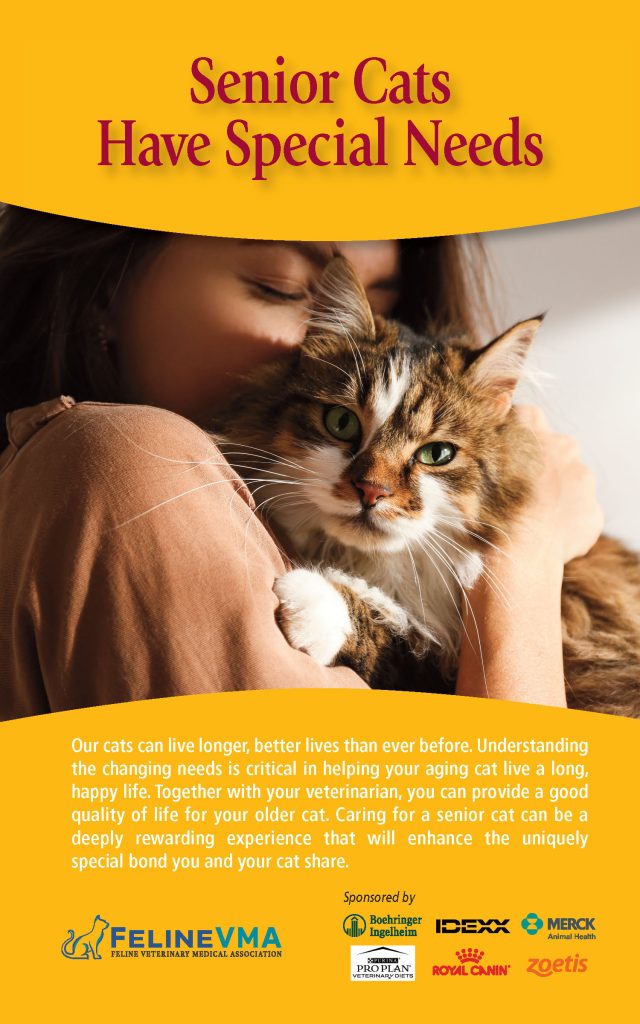
As pets gracefully transition into their senior years, marked by the age of seven or above, their physical and emotional requirements transform notably. It’s a time when pet owners must adapt and refine their care routines to cater to the shifting dynamics of their beloved companions. Senior animals become susceptible to an array of health concerns that not only challenge their lifestyle but also affect their overall happiness and well-being.
Common Health Concerns
With age, senior pets often grapple with multiple health conditions that can significantly diminish their quality of life. Some of the most prevalent issues include:
- Arthritis: This debilitating condition, characterized by inflammation of the joints, results in limited mobility and chronic pain. Symptoms may include trouble rising, reluctance to exercise, or unusual difficulty climbing stairs.
- Dental Disease: Senior pets are at a heightened risk for periodontal disease. Neglected dental hygiene can lead not only to painful tooth loss but also systemic infections affecting vital organs like the heart and kidneys.
- Obesity: Weight gain among older pets is alarmingly common and can exacerbate other health issues such as arthritis, diabetes, and heart disease. Pet owners should monitor their pet’s diet closely, as metabolism slows with age.
- Kidney Disease: The kidneys may progressively lose their ability to function properly, leading to chronic renal failure, a condition that can significantly impact a pet’s health if left unmanaged.
- Cognitive Dysfunction: Similar to dementia in humans, cognitive dysfunction in pets can manifest as disorientation, disrupted sleep patterns, and altered behaviors, fundamentally affecting their daily happiness.
Awareness and vigilance are paramount; regular veterinary check-ups become indispensable, allowing for early detection and management of these conditions. Furthermore, developing a tailored dietary plan enriched with proper nutrition can support their health effectively.
Creating a Comfortable Environment
Enhancing your senior pet’s environment is crucial for their comfort and safety. Simple adjustments can make a world of difference:
- Orthopedic beds: These specially designed beds help alleviate joint pressure and pain, allowing pets to rest comfortably and without discomfort.
- Non-slip surfaces: Adding carpets or mats can prevent slips and falls, which are particularly hazardous for senior animals as they may struggle with balance and coordination.
- Easy access to food and water: Elevated bowls or placing food and water in familiar, accessible areas encourages consistent hydration and nutrition, vital for maintaining health.
Through these thoughtful modifications to living spaces and attentiveness to health needs, pet owners can greatly enhance their senior companions’ quality of life, ensuring they enjoy their twilight years contentedly. Stay tuned as we explore deeper into how to formulate a comprehensive care plan that addresses the unique needs of your furry friends through each stage of their senior journey.
DISCOVER MORE: Click here for insights on positive reinforcement techniques
Health Monitoring and Veterinary Care
As our beloved pets age, proactive health monitoring becomes increasingly crucial. Regular veterinary visits are essential for the early detection and management of age-related ailments. It’s not just a routine; these check-ups can provide invaluable insights into the health trajectory of senior animals. Each visit can include a comprehensive physical examination, blood tests, and other diagnostic measures aimed at uncovering hidden issues that may otherwise go unnoticed.
The Importance of Regular Check-Ups
Senior pets should ideally see the veterinarian at least twice a year. During these check-ups, veterinarians can assess various health parameters, including:
- Weight management: Evaluating your pet’s weight regularly helps to ensure they are within a healthy range, assisting in preventing obesity-related complications.
- Blood work: Routine blood tests can detect early signs of kidney or liver dysfunction, thyroid issues, and blood sugar irregularities, allowing for timely intervention.
- Dental health assessments: An oral check can identify painful dental diseases early, enabling treatments that will keep your pet comfortable and healthy.
A vital aspect of these check-ups is discussing any behavioral changes you’ve noticed. Odd habits or shifts in attitude may signal underlying health problems. For instance, if your previously playful dog suddenly appears indifferent or withdraws from social interactions, it might be a sign of pain or cognitive issues. Such discussions can provide invaluable information for your veterinarian, ensuring a holistic approach to your pet’s care.
Nutritional Needs and Diet Adjustments
As metabolism slows with age, so too does the dietary regimen of senior animals necessitate change. Pet owners should prioritize high-quality nutrition tailored to senior pets to ensure their health remains robust. Diets rich in essential fatty acids, antioxidants, and fiber can help combat common age-related conditions. In addition, maintaining proper hydration is crucial; many senior pets develop kidney issues, which can be exacerbated by insufficient water intake.
Pet owners may also want to consider specialized senior pet foods that include:
- Joint support formulas: Ingredients such as glucosamine and chondroitin can help alleviate discomfort related to arthritis and improve mobility.
- Low-calorie options: These can assist in preventing obesity while still providing the necessary nutrients and flavor that older pets desire.
- Digestive health enhancers: Ingredients like probiotics and prebiotics can support a healthy gut, which is vital for nutrient absorption and overall health.
Consulting with a veterinarian regarding dietary transitions is advisable to ensure that your senior pet receives the right nutrients tailored to its specific health needs. Together, these measures can significantly enhance longevity and quality of life in senior animals, laying the foundation for their latter years to be both comfortable and fulfilling. Stay tuned as we continue to explore additional aspects of specialized care for senior pets, ensuring that their golden years are truly golden.
| Category | Details |
|---|---|
| Nutrition | Senior animals require specialized diets rich in essential nutrients to maintain their health. |
| Exercise | Regular, low-impact activities help sustain mobility and prevent obesity in aging pets. |
| Healthcare | Routine veterinary visits are vital for assessing and managing chronic conditions common in older animals. |
| Comfort | Creating a comfortable living space with accessible resting areas can significantly enhance their quality of life. |
Caring for senior animals is a unique but rewarding experience. Their needs can dramatically change as they age, making it imperative for owners to adopt special measures for their wellbeing. Proper nutrition tailored to their evolving health requirements is essential in combating common issues that arise in older pets. Engaging them in low-impact exercises helps to sustain their vitality and prevents serious concerns like obesity.Moreover, regular healthcare monitoring is crucial, as it allows for the early detection and management of chronic conditions. Lastly, providing a comfortable living environment with easy access to essentials not only aids mobility but also significantly enhances the quality of life for senior animals. Understanding these aspects will empower pet owners to give their beloved companions the care they truly deserve.
DON’T MISS OUT: Click here to learn why puppy socialization is crucial
Creating a Comfortable Living Environment
In addition to health monitoring and appropriate nutrition, the living environment for senior pets is a pivotal aspect of their overall well-being. A supportive and safe haven can significantly influence their quality of life, making their golden years more enjoyable. Key adjustments can help mitigate age-related challenges and promote comfort.
Accessibility Modifications
As pets age, their mobility often declines, meaning that simple tasks like accessing their favorite spots can become challenging. Pet owners should consider accessibility modifications such as:
- Ramps or Stairs: Installing pet-friendly ramps or stairs for furniture and vehicles can prevent injuries and allow your senior pet to navigate their environment with ease.
- Orthopedic Beds: Investing in a supportive orthopedic bed helps provide relief to aging joints and can improve sleep quality, which is essential for overall health.
- Non-Slip Flooring: Updating flooring to feature non-slip surfaces reduces the risk of slips and falls, particularly in areas prone to moisture, like kitchens and bathrooms.
Ensuring that your senior animal can access outdoor spaces safely is also vital. Consider placing secure, easily navigable exits and providing leash-free zones where they can explore without the risk of injury. These modifications create a more accommodating atmosphere, enabling your furry companions to retain their independence for as long as possible.
Providing Mental Stimulation
Beyond physical comfort, cognitive engagement is essential for senior pets. Just as humans may experience cognitive decline, so too can our furry friends. Maintaining mental activity not only enhances their mood but can also stave off conditions like canine cognitive dysfunction. Here are some ways to keep your senior pet’s mind sharp:
- Interactive Toys: Puzzle toys that dispense treats can provide both exercise and stimulation, keeping them engaged and entertained.
- Training Sessions: Short, positive training sessions can reinforce good behavior while helping to keep their minds active. Consider introducing new commands or tricks.
- Enrichment Activities: Regular changes in routine, such as introducing new routes for walks or scheduling playdates with other gentle pets, can provide a welcome change while fostering socialization.
Moreover, spending quality time with your senior pet fosters connection and can be immensely rewarding. Whether it’s quiet cuddle sessions or a leisurely stroll around the neighborhood, such activities contribute notably to both mental and emotional well-being.
Special Attention to Diet and Supplements
As noted previously, dietary adjustments are essential; however, it’s also important to explore supplement options that can support senior health. Omega-3 fatty acids, for example, are known to promote joint health and can help manage inflammatory conditions common in older pets. Additionally, supplements containing antioxidants can bolster an elderly pet’s immune system, enhancing their ability to fight off disease.
Before introducing new supplements or making significant changes to your pet’s diet, a discussion with a veterinarian is crucial. This can ensure that any additions are safe, effective, and tailored to your pet’s specific health circumstances.
By taking the time to enhance their living environment, provide mental stimulation, and embrace nutritional needs, you can contribute significantly to a senior pet’s well-being. Awareness and strategic adjustments can ensure that their twilight years are not just memorable but filled with joy, comfort, and vitality.
DISCOVER MORE: Click here to learn about puppy socialization
Conclusion: Honoring Our Senior Companions
In summary, providing special care for senior animals involves a comprehensive approach that addresses their unique physical, mental, and emotional needs. As our pets age, the adjustments we make in their living environments, diets, and exercise routines can significantly enhance their quality of life. The importance of accessibility modifications cannot be overstated, allowing senior pets to navigate their surroundings with confidence and reducing the risk of injury. Additionally, incorporating mental stimulation through interactive toys and enrichment activities can keep their minds sharp and engaged.
Nutrition plays a pivotal role, too; identifying dietary needs and exploring the vast array of supplements available can support your pet’s health as they age. Collaboration with a veterinarian is essential in this journey to ensure that any changes made are both safe and effective. Just as we cherish moments with our loved ones, spending time with our senior pets—whether through quiet companionship or leisurely walks—fosters a bond that enhances their overall well-being.
Ultimately, being proactive and informed allows pet owners to make choices that will create a loving and supportive environment for their cherished companions. As we care for these senior animals, we not only improve their twilight years but also celebrate the joy and unconditional love they have provided throughout their lives. By embracing these strategies, you can make a lasting difference in your senior pet’s life, ensuring that their later years are filled with happiness, comfort, and vitality.

Linda Carter
Linda Carter is a writer and pet care expert specializing in pet health, grooming, and wellness. With extensive experience helping pet owners create safe, loving, and enriching environments for their animals, Linda shares her knowledge on our platform. Her goal is to empower readers with practical advice and strategies to ensure their pets thrive and lead joyful, healthy lives.