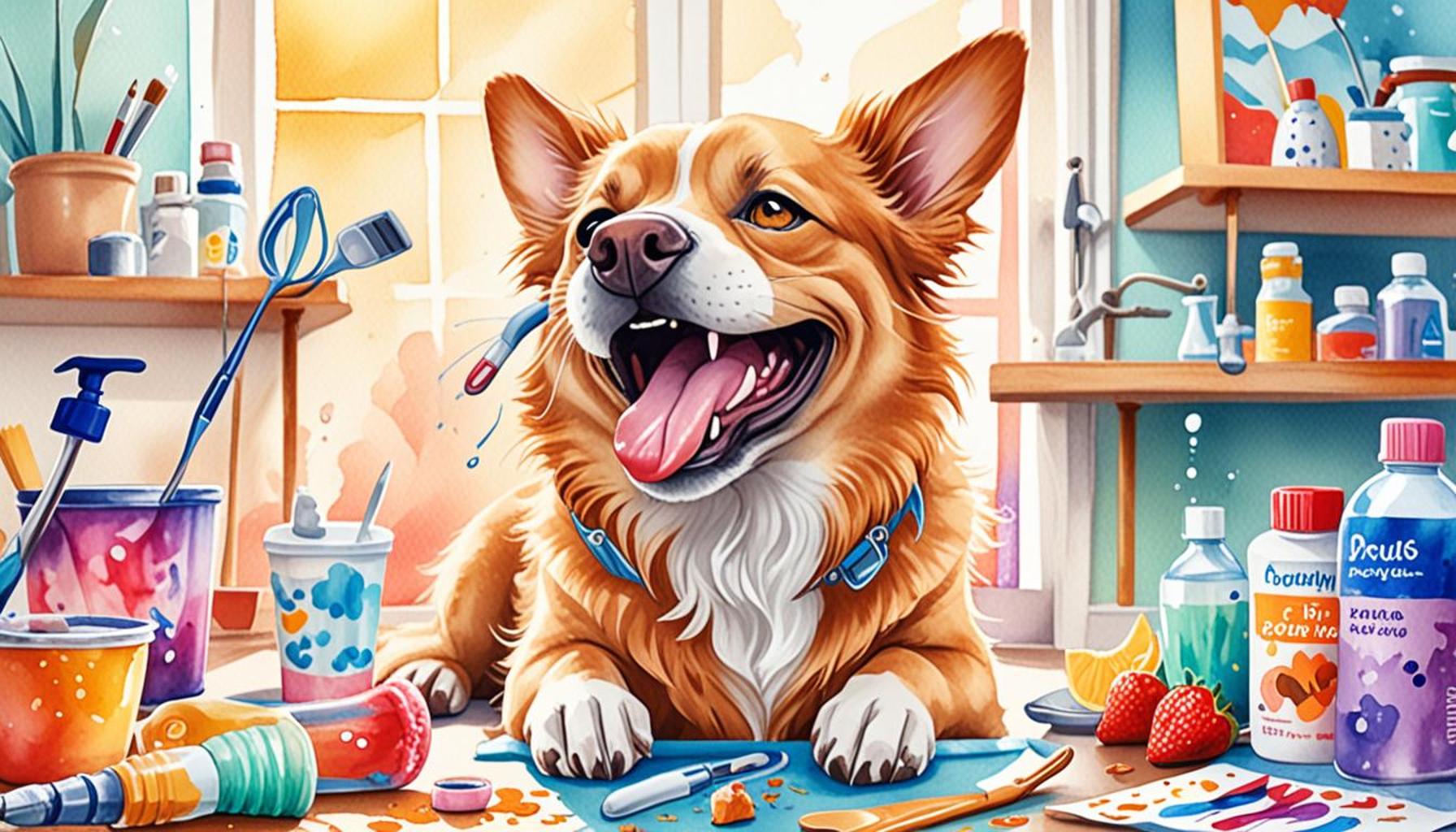
How to Maintain Your Pet’s Dental Health: Essential Tips and Care
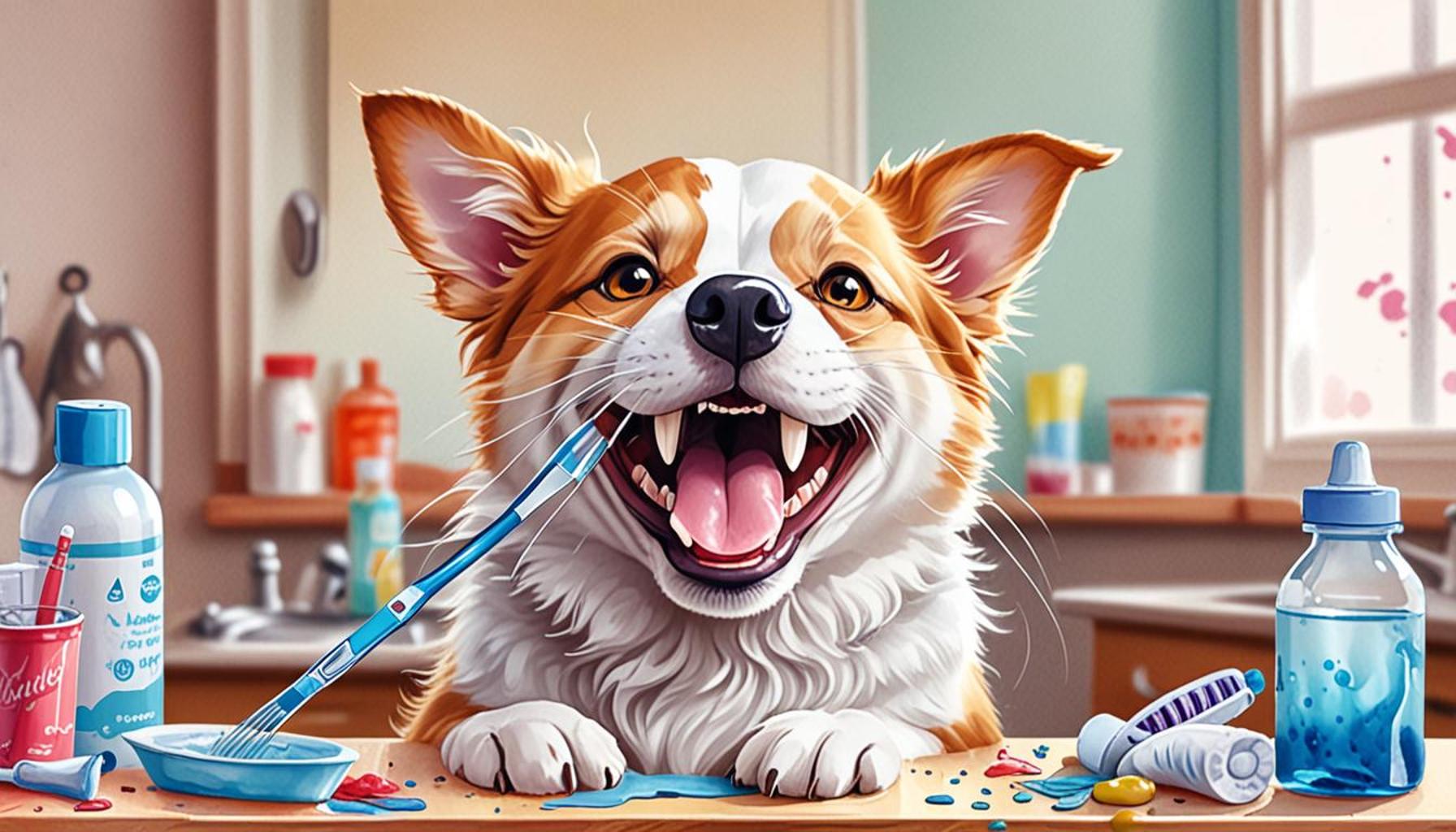
The Hidden Dangers of Poor Dental Care for Pets
A bright smile isn’t just for humans; it’s essential for our furry friends too! Maintaining your pet’s dental health plays a crucial role in their overall well-being, affecting everything from their appetite to their longevity. Many pet owners might overlook this vital aspect of care, but neglecting it can lead to serious health issues that extend far beyond just the mouth.
Surprisingly, 80% of dogs and 70% of cats suffer from some form of dental disease by age three. This startling statistic highlights the necessity for regular dental care for our pets. The consequences of poor dental hygiene can be profound, leading to infections, tooth loss, and even systemic issues where bacteria enter the bloodstream, affecting vital organs like the heart and kidneys.
Key Components of Dental Care
Here are some essential points to consider that can help your pet maintain a healthy mouth:
- Routine Check-Ups: Scheduling regular veterinary visits for professional dental cleanings is critical. During these visits, your veterinarian can assess not only the teeth but also the gums and overall oral health. Many U.S. veterinary clinics now offer specialized dental packages that include X-rays and extractions if needed.
- Daily Brushing: Brushing your pet’s teeth daily using toothpaste specifically formulated for pets is vital. Human toothpaste can be harmful to pets, so it’s important to use products designed for them. Incorporating a tooth brushing routine can seem daunting, but many pets adapt quickly, especially if started at a young age.
- Dental Treats: Alongside brushing, consider incorporating dental chews into your pet’s diet. Various brands in the U.S. offer treats that help reduce plaque and tartar build-up. Look for products with the Veterinary Oral Health Council (VOHC) seal of approval, assuring efficacy in promoting dental health.
- Watch for Signs: Being vigilant about potential dental issues is crucial. Common indicators of trouble include bad breath, swollen gums, abnormal chewing habits, or reluctance to eat. Early detection can lead to easier and less costly treatment options.
Addressing your pet’s dental care is not just about preventing bad breath or keeping their teeth clean. A healthy mouth contributes significantly to their quality of life. Ignoring dental issues could lead to painful conditions that might affect their ability to eat or play, ultimately diminishing their enjoyment of life.
Taking proactive measures, learning effective tips and care practices, and regularly consulting your veterinarian can set you on the path to giving your pet the best dental health possible. After all, a pet’s happiness is closely linked to their overall health, and you hold the key to ensuring they remain vibrant and joyful for years to come.

DIVE DEEPER: Click here to discover the emotional rewards of pet adoption
Understanding the Importance of Routine Dental Care
The foundation of maintaining your pet’s dental health lies in understanding why it matters so profoundly. Just like humans, pets require ongoing care for their teeth and gums to prevent the onset of dental diseases. Bacteria thrive in a pet’s mouth, forming a sticky film known as plaque on their teeth. If not addressed, plaque can harden into tartar, leading to serious dental problems like periodontal disease—a common issue among pets that can affect their overall health.
According to the American Veterinary Dental College, periodontal disease is one of the most prevalent health problems in pets. It can cause painful inflammation, and further complications can arise if bacteria from the mouth invade other parts of the body. By establishing a solid dental care routine, pet owners can help mitigate these risks and avoid emotional distress for both themselves and their animals.
Strategies for Effective Dental Care
Incorporating dental care into your pet’s routine can be simplified by following these strategies:
- Choose the Right Tools: Invest in quality dental tools, including a toothbrush that fits your pet’s mouth size and toothpaste that is safe for pets. Opt for flavors your pet enjoys, like poultry or seafood, making the experience more pleasant for them.
- Introduce Dental Hygiene Early: Begin dental care when your pet is young. Puppies and kittens are especially adaptable and establishing a routine early can lead to lifelong dental health habits. Gradually introduce the brushing process with patience and positive reinforcement.
- Use Water Additives: Dental water additives are gaining popularity among pet owners in the U.S. These can be mixed with your pet’s drinking water to promote oral hygiene. Many products contain antibacterial properties that help fight plaque formation.
- Regular Chew Toys: Chewing not only entertains pets but can also help maintain oral health. Provide safe, durable chew toys that are designed to help clean teeth and massage gums. This practice not only aids in plaque removal but also satisfies your pet’s natural urge to chew.
- Balance Diet and Treats: A proper diet can play a significant role in your pet’s dental health. Incorporate dry kibble rather than just wet food to help reduce plaque. Look for high-quality food that includes dental health formulas for added protection.
Implementing these strategies can lead to significant improvements in your pet’s dental health. Not only do they promote cleaner teeth and fresher breath, but they also contribute to a forefront goal: maintaining your pet’s long-term happiness and health. Remember, a proactive approach to dental care will pay off in the form of a healthy, vibrant pet who enjoys a stellar quality of life. By dedicating time and attention to your pet’s oral hygiene, you’re taking a major step toward ensuring they thrive for years to come.
Daily Dental Care Routine
To ensure your pet maintains optimal dental health, establishing a daily dental care routine is essential. This routine can contribute significantly to preventing dental diseases, which can affect your pet’s overall health. Regular brushing of your pet’s teeth is the cornerstone of effective dental care. Aim to brush their teeth at least two to three times a week using toothpaste designed specifically for pets. Never use human toothpaste, as it contains ingredients that can be harmful to your furry friend.
Incorporate Dental Treats
Add dental treats into your pet’s diet to promote oral hygiene. These treats are specially formulated to reduce plaque and tartar buildup while freshening breath. When selecting treats, look for those approved by veterinary dental associations to ensure efficacy. Chewing on these treats not only contributes to cleaner teeth but also provides mental stimulation and satisfaction for your pet.
Regular Veterinary Check-ups
Regular check-ups at the veterinarian are crucial for your pet’s dental health. Professional dental cleanings are recommended at least once a year. During these visits, the vet can perform a thorough examination to check for any signs of dental issues, such as gum disease or tooth decay. They can also perform professional cleaning, which is essential for maintaining a healthy mouth.
Signs of Dental Problems
Pet owners should be vigilant in observing their pets for any signs of dental problems. Symptoms like bad breath, difficulty eating, swollen gums, or excessive drooling can indicate serious dental issues that require immediate attention. Early intervention is key to ensuring your pet’s quality of life and preventing further health complications.
Conclusion
By integrating these essential tips into your pet care routine, you will not only enhance their dental health but also ensure their longevity and happiness. A focus on maintaining your pet’s dental health now will pay off in the long run, providing them with a better quality of life.
LEARN MORE: Click here to enhance your dog training skills
Recognizing Signs of Dental Issues
While preventive care is crucial for your pet’s dental health, being vigilant about potential issues is equally important. Understanding the signs of dental problems can help you catch them early, allowing for timely intervention. Monitor your pet for the following symptoms:
- Bad Breath: Persistent halitosis, or foul-smelling breath, could be a sign of dental disease. While some degree of odor is normal, an unpleasant smell could indicate plaque buildup or more severe issues, such as gingivitis.
- Changes in Eating Habits: If your pet suddenly becomes picky about food or refuses to eat, it may be due to dental pain or discomfort. Watch for indications such as chewing on one side of the mouth or dropping food.
- Gum Inflammation: Healthy gums are typically a light pink color. If you notice any redness, swelling, or bleeding, it’s a clear signal that your pet needs dental attention.
- Excessive Drooling: While some drooling is normal, an increase in saliva can suggest dental problems. If you notice your pet drooling excessively, especially when paired with other symptoms, it’s best to consult your veterinarian.
- Visible Tartar or Plaque: Regularly check your pet’s teeth for any visible buildup of plaque or tartar, which may appear as a brownish or yellowish coating on the teeth. This signifies that it’s time for a professional cleaning.
Recognizing these signs early can prevent minor dental problems from escalating into serious health concerns. If you suspect any issues, don’t hesitate to reach out to your veterinarian for a thorough examination. Regular check-ups should also include a dental assessment as part of your pet’s overall health evaluation.
The Role of Professional Cleanings
In addition to the daily care provided by pet owners, professional dental cleanings are a key component in maintaining oral health. According to the American Animal Hospital Association (AAHA), many pets will require a dental cleaning at least once a year—more frequently for those predisposed to dental disease. During a professional cleaning, a veterinary dentist will:
- Examine teeth and gums: A comprehensive assessment helps identify any existing issues, from early signs of gum disease to more severe conditions requiring immediate treatment.
- Remove tartar: The veterinarian will use ultrasonic scalers to remove tartar and plaque, ensuring the teeth are thoroughly cleaned.
- Polish the teeth: Following cleaning, a polishing procedure will be performed to smooth the surface of the teeth, helping to deter future plaque buildup.
- Offer tailored advice: Based on the findings, the veterinarian can provide personalized recommendations on at-home dental care tailored to your pet’s needs.
Although professional cleanings may appear to be an additional expense, they can save pet owners money by preventing the need for costly treatments for more advanced dental conditions. The long-term benefits of maintaining your pet’s oral health translate into decreased risk of systemic health issues related to poor dental care.
Integrating Dental Care into Regular Routine
Finding ways to incorporate dental health into your pet’s regular routines can make the process less daunting. Here are some practical tips:
- Set a Schedule: Designate specific days for brushing your pet’s teeth. Just as you would establish a routine for feeding or walking, having a consistent dental care schedule ensures it becomes part of your pet’s normal activities.
- Reward System: Use treats or praise to reward your pet after each dental care session. This positive reinforcement can help them associate dental care with enjoyable experiences.
- Pair with Grooming or Playtime: Integrate dental care with grooming tasks or playtime, making it a relaxed, less stressful experience for your pet. This can also help them to feel more comfortable with the process.
Creating an environment where dental care is routine and non-threatening will promote compliance and make it easier for both you and your pet. By making these small adjustments, you can ensure your pet maintains strong dental health, contributing to their overall well-being.
LEARN MORE: Click here to discover the importance of pet socialization
Conclusion: Ensuring a Bright Smile for Your Furry Friend
Maintaining your pet’s dental health is a vital part of their overall well-being that should never be overlooked. By implementing a consistent dental care routine, recognizing the signs of potential dental issues, and scheduling regular professional cleanings, you can significantly enhance your pet’s quality of life. Simple actions such as brushing their teeth, providing appropriate dental treats and toys, and keeping an eye out for symptoms like bad breath or gum inflammation can make all the difference in preventing serious health complications.
Moreover, creating a positive environment around dental care not only helps your pet adapt but also makes the process enjoyable. Incorporating these practices into your routine will foster a stronger bond with your pet while ensuring they maintain strong and healthy teeth. Remember that prevention is always more effective and less costly than treatment; hence investing time in your pet’s dental health now can save you both heartache and expense later.
For further information, consider consulting your veterinarian about tailored dental care plans that best suit your pet’s specific needs. Let’s ensure our pets enjoy their meals with a smile, free from dental discomfort and disease. A healthy mouth contributes to a happy life—let’s make sure our furry companions benefit from this essential aspect of their care.

Linda Carter
Linda Carter is a writer and pet care expert specializing in pet health, grooming, and wellness. With extensive experience helping pet owners create safe, loving, and enriching environments for their animals, Linda shares her knowledge on our platform. Her goal is to empower readers with practical advice and strategies to ensure their pets thrive and lead joyful, healthy lives.