How the Home Environment Can Affect Pet Health
The Crucial Elements Affecting Your Pet’s Health at Home
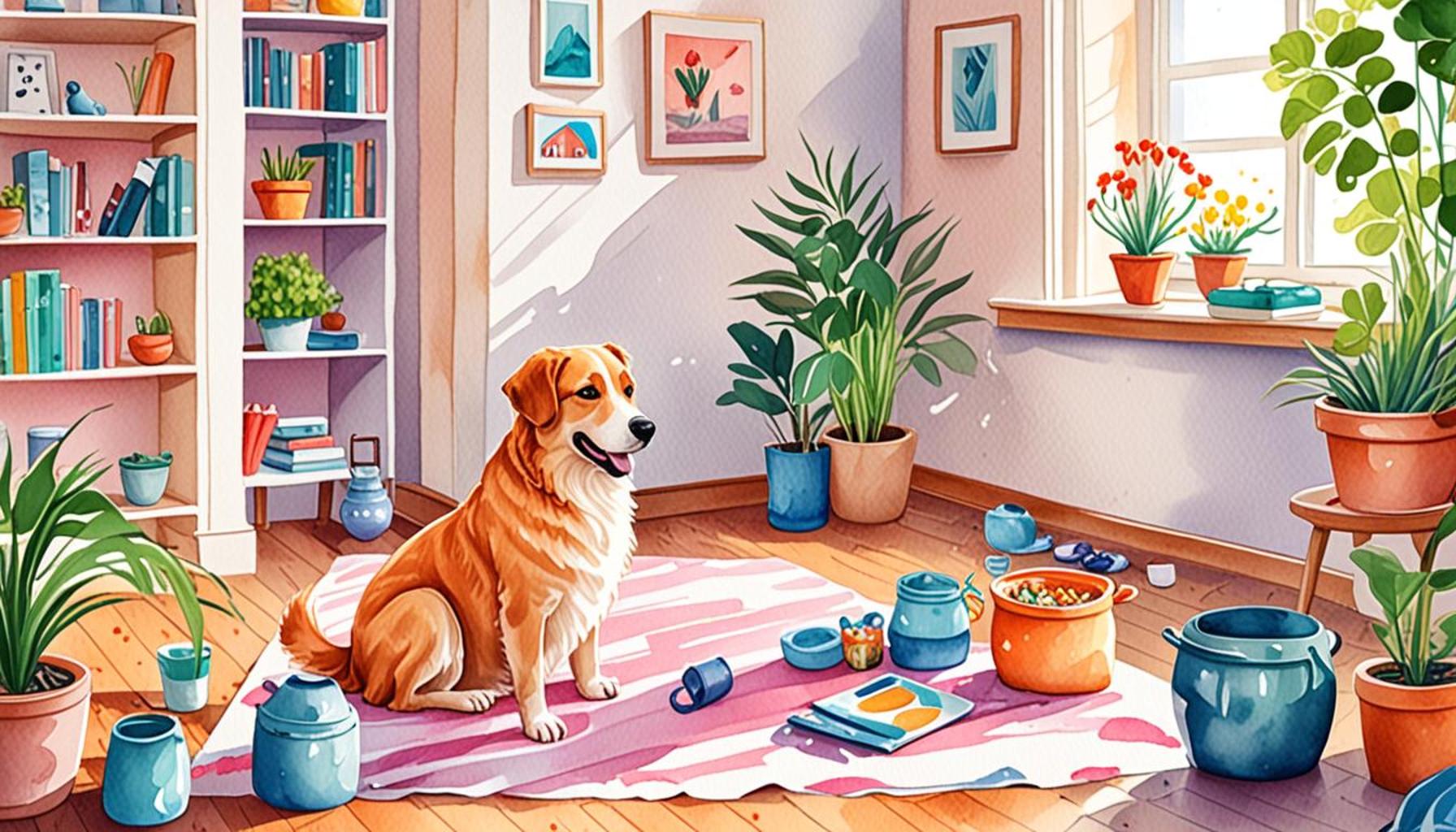
The home environment significantly influences the overall health and happiness of your pets. As beloved members of the family, it is imperative to comprehend how various elements, including air quality, safety, and everyday living conditions, can shape their well-being. By delving deeper into these concerns, pet owners can cultivate an enriching habitat that meets their furry friends’ needs.
Air Quality and Respiratory Health
Air Quality plays a pivotal role in the respiratory health of pets. Just like humans, pets are susceptible to the detrimental effects of pollutants and allergens. Poor ventilation can trap dust, pet dander, and chemical fumes, leading to respiratory problems over time. For instance, studies have shown that pets exposed to persistent mold or tobacco smoke may develop chronic issues such as asthma or bronchitis. To improve air quality, ensure regular cleaning, invest in air purifiers, and open windows frequently for ventilation.
Understanding Household Chemicals
Many common household chemicals pose significant risks if they are not stored or utilized correctly. Cleaning supplies, paint, and even some air fresheners can contain substances that are harmful to pets. For example, products containing bleach or ammonia can lead to nausea or chemical burns. It’s essential to store these items out of reach and opt for pet-friendly cleaners, which are increasingly available in stores. Regularly checking labels can prevent accidental ingestion or exposure.
Nutrition: The Impact of Storage and Preparation
The dietary factors in your home can drastically affect your pet’s nutrition. Where and how pet food is stored plays a significant role in maintaining its quality. For instance, improperly sealed bags can lead to spoilage or pest infestation, which can harm your pet’s health. It is also vital to maintain clean food and water dishes, as bacteria can develop and lead to gastrointestinal illnesses. Investing in airtight containers and establishing a clear feeding routine are effective strategies for ensuring your pet enjoys a healthy, balanced diet.
Space, Exercise, and Behavioral Health
Lack of space for exercise can lead not only to physical health issues, such as obesity, but also behavioral problems stemming from boredom and anxiety. A cramped living environment may limit playtime and proper exercise opportunities, which are crucial for a pet’s mental stimulation and physical health. For large breeds especially, this can become a severe issue. Pet owners should consider incorporating regular walks, interactive toys, and even a safe outdoor space when possible to encourage play.
Identifying Hidden Dangers
Beyond the obvious factors, pet owners must also be vigilant about hidden dangers lurking around the home. Electrical cables, small household items, or toxic plants can pose significant risks to curious pets. Questions to continually evaluate include: Are there any houseplants known to be toxic, such as lilies or sago palms, that need to be removed? Is there enough natural sunlight in your pet’s space, as it plays a role in regulating their mood and digestion? Are cleaning products chosen wisely, ensuring they are safe for every member of the household?
By maintaining awareness of these various elements, pet owners can create an environment that promotes not only the physical well-being of their animals but also fosters their emotional and behavioral health. The proactive steps taken today can lead to a long and happy life for your furry companions.
DON’T MISS: Click here to learn why socialization is vital for your pet’s happiness
Creating a Safe and Nurturing Space for Your Pets
When it comes to pet health, the home environment is often an overlooked aspect that can have profound effects on their well-being. From the physical layout of your living space to the invisible elements that lurk in the air, ensuring a safe and nurturing home for your furry companions is essential. Understanding how these factors intertwine can empower pet owners to make informed decisions that promote a healthier lifestyle for their pets.
Temperature and Comfort Levels
The temperature of your home is a critical consideration, as pets can be sensitive to extreme conditions. Dogs and cats, depending on their breed, have varying tolerances to heat and cold. For instance, short-haired breeds may struggle in chilly environments, while brachycephalic breeds like Bulldogs can have difficulty in hot weather due to their physiological structure. It is essential to provide a climate-controlled environment that keeps your pet comfortable.
- Provide a cozy bed in a temperature-regulated area.
- Monitor humidity levels, as overly dry air can irritate respiratory systems.
- Ensure that pets have access to shaded areas outdoors during hot seasons.
Safe Spaces: The Importance of Pet Designated Areas
Creating specific designated areas for your pets within your home can significantly impact their sense of safety and well-being. Providing spaces that allow for rest, play, and, importantly, a sense of ownership can contribute to a secure environment. A dedicated area can minimize stress and prevent anxiety, which in turn reduces the risk of behavior problems over time.
Consider the following when designing these spaces:
- Choose quiet and peaceful locations away from heavy foot traffic.
- Incorporate pet-friendly furnishings, such as washable and durable materials.
- Install gates or barriers to keep pets away from areas that may pose hazards, like kitchens or stairways.
Social Environment and Emotional Wellness
The social environment within your household greatly influences your pet’s emotional well-being. Pets thrive on interaction, socialization, and companionship. A lively household that provides opportunities for engagement can help stave off loneliness and depression. Conversely, a chaotic or excessively quiet environment may lead to behavioral issues such as aggression or anxiety.
- Engage in daily play sessions with your pets to stimulate their minds and strengthen your bond.
- Arrange for regular interactions with family members or other pets to enhance social skills.
- Provide mental stimulation through puzzle toys that challenge your pet intellectually.
By thoughtfully addressing these aspects of the home environment, pet owners can create a sanctuary that nurtures their pets’ physical and emotional health. Recognizing the importance of a comfortable and inviting space lays the foundation for a thriving, happy life for your beloved companions.
| Environmental Enrichment | Physical and Mental Health Benefits |
|---|---|
| Interactive Spaces | Promotes exercise and challenges the mind. |
| Variety of Toys | Reduces boredom and prevents destructive behavior. |
| Safe Spaces | Offers a sense of security and reduces anxiety. |
| Natural Light | Boosts mood and regulates physical activity. |
The home environment plays a vital role in the health of pets. For instance, providing enrichment through interactive spaces not only stimulates a pet’s mind but also encourages them to engage in physical activities. This engagement can lead to significant improvements in both mental and physical health, proving crucial for their overall well-being. Additionally, a varied collection of toys can keep pets entertained and less prone to destructive behaviors that arise from boredom. Creating safe spaces within the home can further enhance your pet’s emotional health by offering them security and comfort. Furthermore, ensuring that pets receive ample natural light is essential as it has the power to regulate their mood and encourage healthy sleep patterns, which is directly linked to improved health outcomes. Exploring these aspects further can reveal wonderful ways to enhance the living spaces we share with our beloved pets.
DISCOVER MORE: Click here for valuable insights
Enhancing Air Quality for Optimal Health
The air quality within your home plays a gigantic role in the health of your pets. Poor air quality, often a result of allergens, dust, and harmful chemicals, can lead to breathing issues, skin problems, and various other health concerns in your furry companions. Pets, especially those with pre-existing health issues or breeds prone to respiratory problems, are particularly vulnerable to the effects of contaminated air. Research shows that up to 30% of pets may develop allergies or respiratory problems linked to poor indoor air quality, which underscores the critical importance of maintaining a clean and healthy environment for our beloved animals.
Identifying Common Indoor Pollutants
Many common household items can contribute significantly to diminishing air quality. For instance, cleaning supplies often contain harsh chemicals that can release volatile organic compounds (VOCs). These substances, found in products ranging from traditional household cleaners to paints, can irritate your pet’s respiratory system over time. Even air fresheners, which are marketed as enhancing indoor ambiance, may contain phthalates and other harmful substances detrimental to pet health.
- Opt for pet-safe cleaning products that are free from harsh chemicals and instead utilize natural ingredients like vinegar and baking soda for effective cleaning solutions.
- Consider using an air purifier equipped with HEPA filters, which can trap a high percentage of allergens and other pollutants, providing a cleaner air environment for your pets and family.
- Avoid smoking indoors, as secondhand smoke can be equally harmful to pets as it is to humans, resulting in serious health issues over time.
Regular Maintenance and Cleaning
Maintaining a routine cleaning schedule is vital to promoting a healthier indoor environment for pets. Regular vacuuming, dusting, and changing air filters can significantly reduce allergens that accumulate in your home. Certain breeds, like Bulldogs and Persians, shed more dander, which contributes to airborne irritants. Furthermore, pet hair can settle on floors and furniture, aggravating allergies in both pets and humans alike.
- Utilize vacuum cleaners with pet-friendly attachments, specifically designed to remove hair and dander from carpets and upholstery.
- Wash your pet’s bedding and toys regularly—ideally once a week—to minimize allergens that can cling to these items.
- Keep your home well-ventilated by opening windows or using ventilation systems to allow fresh air to circulate through your living spaces.
Mindful Plant Choices
The selection of indoor plants can also impact your pet’s health. While certain greenery can enhance aesthetics and purify the air, some popular houseplants pose serious risks to pets if ingested. For instance, lilies, philodendrons, and pothos are beloved for their beauty but can lead to serious health complications, including kidney failure or gastrointestinal distress in pets.
- Research pet-friendly plant options such as spider plants or Boston ferns, which can add beauty to your home without endangering your furry friends.
- Consider placing all plants in areas that are out of reach of curious pets to avoid accidents, as curious animals may explore their surroundings.
- Monitor your pets’ behaviors around plants and consult a veterinarian if you notice signs of toxicity, such as vomiting, lethargy, or unusual behaviors.
By being proactive about air quality and mindful of indoor plant selections, pet owners can significantly improve their home environment, contributing positively to their pets’ overall health and happiness. Implementing these small yet impactful changes can foster a nurturing atmosphere where pets can thrive, ensuring they enjoy a long and healthy life. Embracing these practices not only creates a safer environment for pets but also leads to a healthier living space for the entire family.
DISCOVER MORE: Click here for tips on a healthy dog diet
Conclusion: The Imperative of a Healthy Home for Pets
Understanding how the home environment affects pet health is critical for every pet owner. The interplay between air quality, cleaning practices, and plant choices can greatly influence the well-being of our furry companions. With studies indicating that up to 30% of pets may face allergy-related issues or respiratory problems due to poor indoor conditions, it’s essential to take proactive measures to mitigate these risks.
By choosing pet-safe cleaning solutions, maintaining rigorous cleaning habits, and selecting non-toxic plants, pet owners can create healthier indoor spaces. Furthermore, implementing strategies such as using air purifiers and ensuring proper ventilation can dramatically enhance both air quality and life quality for pets. These practices not only safeguard against common allergens but also foster a nurturing environment that contributes to the longevity and vitality of pets.
As guardians of our beloved animals, it is our responsibility to prioritize their health by transforming our homes into safe, clean, and welcoming spaces. In doing so, we ensure that our pets enjoy happy and healthy lives, which ultimately enriches our lives as well. The journey towards optimal pet health starts at home, and embracing these small yet significant changes can make all the difference. Remember, a healthier home equates to a happier pet, leading to a harmonious family environment.