
Positive Training Techniques to Improve Your Pet’s Behavior
Transforming Pet Behavior Through Positivity
When it comes to pet training, many owners are on the lookout for effective strategies to cultivate better behavior in their furry friends. Understanding and implementing positive training techniques can lead to a harmonious relationship, marked by trust and mutual respect. Let’s dive into the key aspects that make these methods successful.
Why Positive Training Techniques?
- Fosters a loving bond between pet and owner. Utilizing positive reinforcement creates an environment of support and understanding, strengthening the emotional connection between you and your pet.
- Reduces fear-based reactions. Many pets may exhibit behavioral issues due to fear or anxiety. Positive training focuses on building a pet’s confidence, which helps minimize these negative reactions.
- Encourages desired behaviors rather than punishing the unwanted ones. Positive training shifts the focus from what your pet shouldn’t do to what they should do, fostering a more constructive learning atmosphere.
In the United States, pets are not just animals; they are family members. Consequently, training methodologies must evolve to meet the emotional and psychological needs of our pets. Positive training techniques do just that, addressing the nuances of each unique pet and creating tailored solutions. Here are some notable techniques you might consider:
Key Techniques to Explore
- Clicker Training: This method employs a handheld device that makes a distinct sound when your pet performs a desired behavior. For example, if you are teaching your dog to sit, you would click the device at the moment they lower their rear to the ground and then provide a treat. This method is especially effective because the click sound serves as a clear marker of success.
- Reward-Based Training: Using treats, verbal praise, and even playful attention can significantly motivate your pet. For instance, if you want your dog to come when called, reward them every time they respond correctly. Gradually, you can phase out the treats, relying on verbal praise to sustain their interest and compliance.
- Socialization: Introducing your pet to a variety of environments, people, and other animals is vital in reducing anxiety and ensuring they are well-adjusted. Taking your dog to local parks, pet-friendly events, or dog training classes can not only enhance their social skills but also foster a sense of confidence and security.
As you explore these positive techniques, you will discover how they can reshape your pet’s behavior and enhance your time together. The journey of training can be both rewarding and enjoyable, creating lasting memories along the way. Employing these strategies ensures not only a well-behaved pet but also a companion that thrives in an enjoyable, nurturing environment. Through positive reinforcement, you are not just teaching your pet; you are building a strong partnership that benefits both of you for years to come.
LEARN MORE: Click here for essential tips on natural cat feeding
Understanding the Essence of Positive Training
Positive training techniques center on the fundamental principle that animals, much like humans, respond better to encouragement than to punishment. By utilizing methods rooted in rewarding good behavior, you can foster an environment where your pet feels safe to learn and explore. This approach not only enhances the pet-owner relationship but also leads to happier and more confident animals.
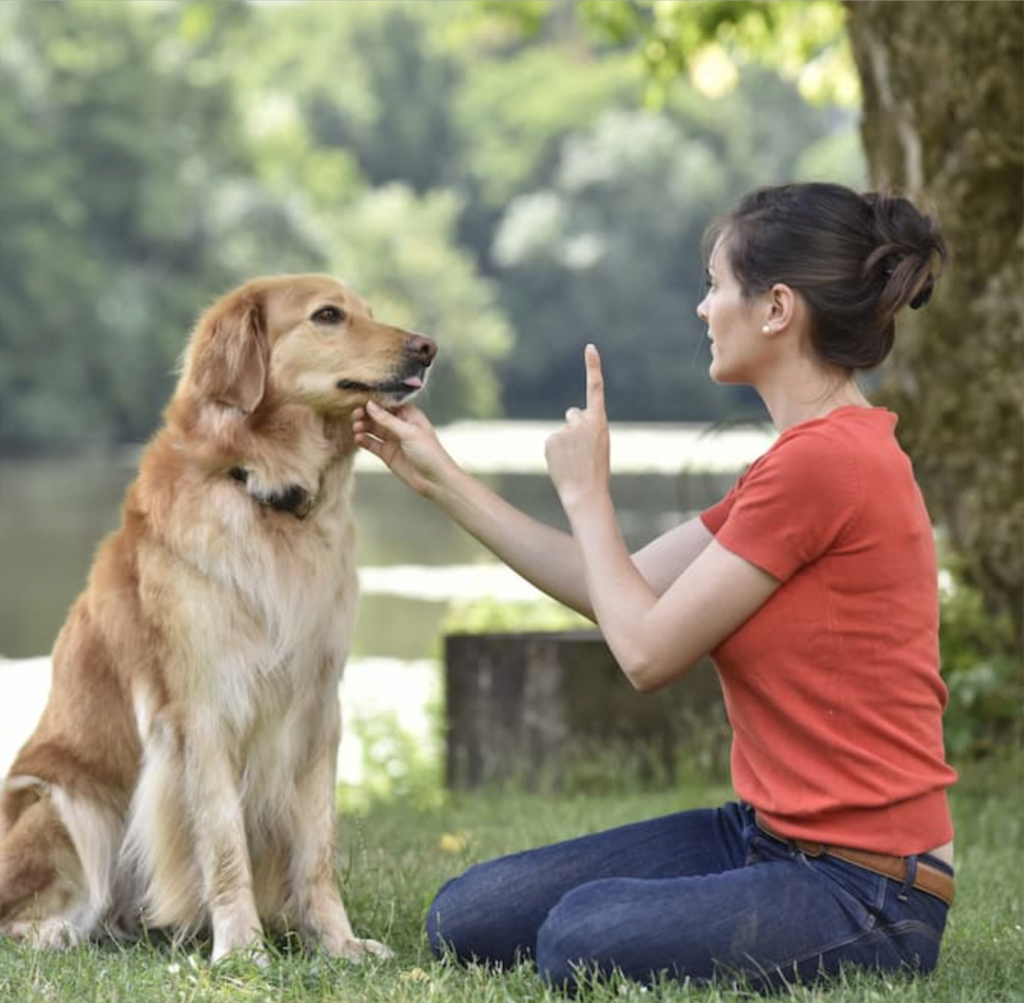
Many pet owners may wonder about the scientific backing of these techniques. Research in animal behavior indicates that positive reinforcement creates lasting learning. A study from the University of Pennsylvania found that animals trained with reward-based methods not only learned commands more quickly but also retained those commands longer than their counterparts trained with traditional punitive methods. By focusing on what your pet gets right, rather than what they get wrong, you can significantly increase their willingness to engage positively with you.
Foundational Principles of Positive Training
- Consistency is Key: For positive reinforcement to be effective, it is crucial to apply the same signals (like verbal cues or hand gestures) consistently. This not only helps your pet understand what behavior is being rewarded but also strengthens their ability to respond appropriately over time.
- Timing Matters: The effectiveness of positive training relies heavily on the timing of the reward. To establish a clear connection between a behavior and its reward, make sure to give praise or treats immediately after your pet performs the desired action. This encourages them to associate the behavior with the reward.
- Patience and Progress: Every pet learns at their own pace. Whether you’re teaching your dog to stop jumping on guests or helping your cat learn to use a scratching post instead of your furniture, it’s essential to remain patient and celebrate small victories along the way. Recognizing progress can further motivate both you and your pet.
In many households across the United States, pets are often viewed as integral members of the family, which necessitates a nurturing approach to training. An understanding of positive training frameworks can enable you to tailor your methods to the specific needs and personality of your pet. This not only makes the training process more effective but can also turn it into a fun bonding activity.
As you venture into the realm of positive training techniques, you may find that your pet is not only perfecting their behavior but also showcasing newfound confidence. This transformation leads to a strengthened bond between you and your companion, making each training session a rewarding experience filled with love and laughter.
| Category | Advantages |
|---|---|
| Positive Reinforcement | Strengthens desired behavior through rewards, making pets more eager to learn. |
| Improves Bonding | Builds trust and communication between pet and owner, enhancing their relationship. |
| Behavioral Consistency | Encourages reliability in behavioral responses, creating stability in training processes. |
| Mental Stimulation | Engages pets in fun and interactive activities, reducing boredom and destructive behavior. |
Among the most effective methods for training dogs and cats are these positive training techniques. They allow for remarkable improvements in behavior while ensuring that the training process remains enjoyable for both the pet and owner. For example, using treats or playtime as rewards can motivate pets to learn new commands and tricks much faster. This approach not only provides necessary behavioral guidance but also fosters a loving and cooperative relationship between pet and owner.Moreover, creating an environment where pets feel secure encourages them to thrive. Engaging pets through fun training exercises can significantly reduce anxiety and behavioral issues. As you explore these techniques further, you will uncover how they not only teach your pet proper behaviors but also promote a healthy lifestyle and happy coexistence.
LEARN MORE: Click here for valuable insights
Implementing Positive Reinforcement Techniques
As you embark on the journey of enhancing your pet’s behavior through positive training, understanding various techniques can significantly optimize your approach. There are multiple strategies available that align with the principles of positive reinforcement, allowing you to cater to your pet’s unique personality and learning style.
Clicker Training: A Powerful Tool
One of the most effective methods of positive training is clicker training. This technique employs a small device that makes a clicking sound to mark the desired behavior. Coupled with a reward, such as a treat or praise, the clicker acts as a clear signal to your pet that they are on the right track. Research supports the efficacy of clicker training; a study published in the journal Animal Cognition found that animals trained with clickers showed better problem-solving abilities compared to those trained with traditional methods.
To get started with clicker training, begin by associating the sound of the clicker with a reward while your pet performs a simple task like sitting or laying down. As your pet begins to understand the click-reward relationship, you can introduce more complex commands, reinforcing their learning experience.
Targeting: A Fun Learning Technique
Another engaging technique is targeting, which involves training your pet to touch a specific object with their nose or paw. This method can be particularly beneficial for dogs, as it allows them to learn commands in a fun and interactive way. Initially, you can use a target stick or your hand and reward your pet every time they make contact. Over time, you can move the target further away or integrate it into more complex tasks. This not only stimulates your pet mentally but can also assist in improving their focus and impulsivity control.
Social Reinforcement: The Power of Praise
Social reinforcement is another valuable component of positive training. For many pets, especially dogs, verbal praise or physical affection can be as rewarding as a treat. Engaging your pet through enthusiastic vocal affirmations, such as “Good boy!” or “Well done!”, can effectively motivate them. Studies indicate that pets respond favorably to social praise, which can encourage them to repeat the behavior.
This form of reinforcement enhances the emotional connection between you and your pet, leading to a trusting relationship that fosters better communication. Many trainers recommend combining treats with verbal praise to create a cohesive learning environment.
Dealing with Behavioral Issues
Positive training is also instrumental in addressing common behavioral issues. For pets that exhibit fear-based aggression or excessive barking, implementing a combination of desensitization and counter-conditioning can yield significant improvements. For instance, if your dog barks at strangers, gradually introduce them to varying distances between your dog and the strangers, rewarding calm behavior with treats or affection. Over time, your pet will learn that the presence of strangers is not something to be feared.
Moreover, online resources and local training classes offer valuable insights and support for pet owners. Programs that focus on positive reinforcement often incorporate group training sessions, allowing for socialization, which is essential for balanced behavior.
In conclusion, by embracing positive training techniques, pet owners can create a productive, enjoyable, and empathetic learning environment. Coupled with appropriate strategies such as clicker training, targeting, and social reinforcement, these methods empower both pets and owners to better understand each other, further enriching the companionship that pets offer. As training progresses, you may be surprised at how these experiences enhance your pet’s overall demeanor and behaviors, leading to a more harmonious home life.
LEARN MORE: Click here for essential tips
Bringing It All Together: The Power of Positive Training
In summary, the application of positive training techniques is transformative, offering pet owners a dynamic approach to enhancing behavior while fostering a deep, trusting bond with their animals. By utilizing methods such as clicker training, targeting, and social reinforcement, you empower your pet to learn in a supportive environment where they feel secure and motivated.
As you engage with your pet through these techniques, you not only facilitate effective learning but also address specific behavioral challenges that may arise. Resources such as online training programs and local classes provide additional support, creating a community of pet owners dedicated to bettering their furry friends’ lives. Taking the time to understand your pet’s unique personality and adapting your training methods accordingly can lead to remarkable improvements in their behavior.
The journey of positive training is a rewarding one, filled with moments of joy, discovery, and connection. Remember, patience and consistency are key ingredients to success. As you commit to this method, the bond you create with your pet will flourish, enhancing both their happiness and well-being as well as your own.
So, whether you’re working on basic commands or tackling more complex issues, consider integrating these positive training techniques today. The results may surprise you, leading to a more harmonious and fulfilling relationship with your beloved companion.