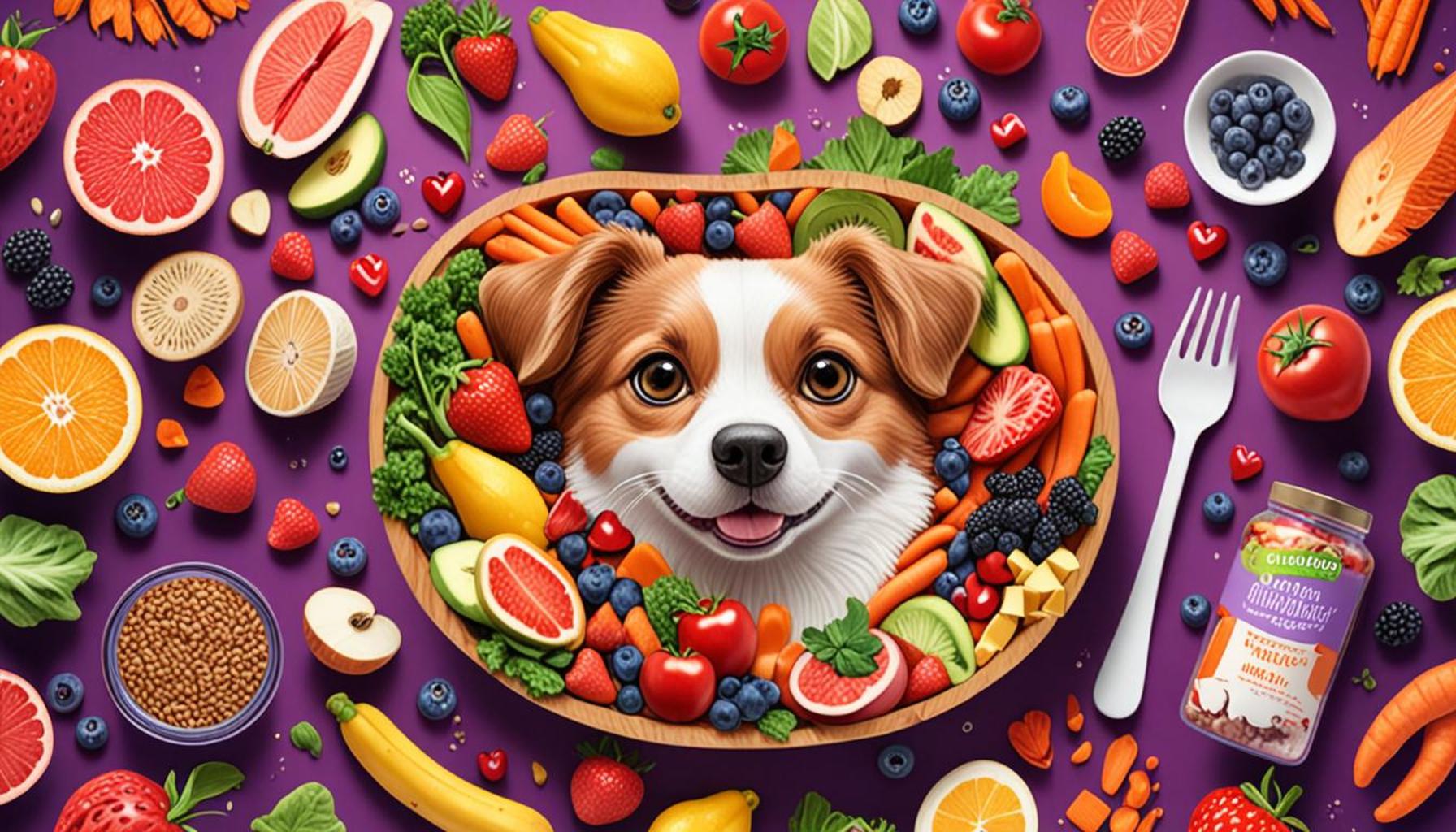
The importance of balanced nutrition for the health of dogs

Understanding the Components of a Canine Nutritional Plan
Every dog owner strives for their furry companion to lead a long, happy, and healthy life. One of the most critical factors that contribute to this is balanced nutrition. Having the right mix of nutrients not only supports day-to-day energy levels but also plays a significant role in preventing various health issues like obesity, diabetes, and heart disease. These conditions have become increasingly common among pets in the United States, resulting from sedentary lifestyles and improper diets.
To foster optimal health in your dog, it is essential to understand several key components of their diet:
- Protein: Protein is vital for muscle development, tissue repair, and immune system support. High-quality sources include chicken, beef, fish, and legumes. For example, a breed like the Labrador Retriever, known for its active lifestyle, requires a protein-rich diet to maintain its muscular physique and energy levels.
- Carbohydrates: These provide energy and assist in maintaining healthy digestion. Whole grains such as brown rice and oats, along with fresh fruits and vegetables, offer digestible carbs that can stabilize your dog’s energy throughout the day. This is particularly important for working dogs, like Shepherds, that need stamina for their activities.
- Fats: Healthy fats are crucial for skin health and the absorption of fat-soluble vitamins. Omega-3 and Omega-6 fatty acids, found in fish oils and flaxseed, can help promote a shiny coat and reduce inflammation in dogs, combating skin issues and allergies effectively.
- Vitamins and Minerals: These are essential for various bodily functions including bone health and metabolism. Calcium and phosphorus, for instance, are vital for developing strong bones, especially in growing puppies. On the other hand, antioxidants like vitamins A, C, and E help in protecting cells from damage and promoting optimal health.
A balanced diet tailored to your dog’s specific needs can significantly reduce health risks. For instance, certain breeds may require different dietary considerations; Great Danes often need controlled calcium intake to prevent developmental issues, whereas small breed dogs may need more concentrated energy sources due to their higher metabolism.
Furthermore, one should not overlook the importance of hydration in tandem with nutrition. Fresh, clean water must always be accessible to aid in digestion and overall function. As we delve deeper into the intricacies of canine nutrition, it becomes clear that understanding what goes into your dog’s food is pivotal. Investing time in researching and selecting appropriate dog food and considering consultations with a veterinarian can ensure that your beloved companion lives not just longer, but with a vibrant quality of life.
Taking the initiative to become well-informed about canine nutrition can yield remarkable dividends in your dog’s health, energy, and longevity. It’s a commitment that involves examining labels, understanding dietary needs, and possibly even considering raw or home-cooked diets, all of which require careful planning and execution. By prioritizing balanced nutrition, you provide your furry friend the best gift of all: a healthy, fulfilling life.
LEARN MORE: Click here for insights on supporting your pet
Key Nutritional Elements for Dogs: A Closer Look
Understanding the significance of balanced nutrition for your dog’s health requires a closer examination of the crucial elements that make up their diet. Just as humans benefit from a diversified meal plan, dogs, too, require a comprehensive approach to nutrition that caters to their unique physiological needs. By ensuring that your dog receives a well-rounded diet, you can optimize their health and well-being, fostering a longer and happier life.
The Role of Protein in Canine Health
First and foremost, protein serves as the cornerstone of canine nutrition. It provides essential amino acids that contribute to tissue repair, muscle growth, and a robust immune response. Dogs are naturally carnivorous, and their bodies are designed to process proteins efficiently. Including high-quality protein sources such as chicken, turkey, fish, and legumes in your dog’s diet can enhance their energy levels and overall vitality. For example, active breeds such as Border Collies and Siberian Huskies require increased protein intake to support their energetic lifestyle and recover from strenuous activities.
The Importance of Healthy Carbohydrates
In addition to proteins, carbohydrates play a vital role in providing energy for your furry friend. Complex carbohydrates found in whole grains like brown rice and oats, combined with fruits and vegetables, not only supply energy but also aid in digestion and regulate blood sugar levels. This is particularly important for breeds prone to obesity or diabetes, ensuring that they maintain a healthy weight and sustained energy throughout the day. Carbohydrates can also provide dietary fiber, which is crucial for gastrointestinal health and can help prevent conditions such as constipation.
Fat: The Unsung Hero
Another vital component of canine nutrition is healthy fats. Incorporating sources of Omega-3 and Omega-6 fatty acids from fish oils and flaxseed can significantly benefit your dog’s skin and coat health. These essential fatty acids reduce inflammation and can combat common skin allergies, resulting in a shinier coat and enhanced overall health. Additionally, fats serve as a concentrated energy source, which is especially beneficial for highly active dogs that require greater caloric intake for optimal functioning.
Vitamins and Minerals: The Building Blocks of Health
Last but not least, vitamins and minerals are fundamental to your dog’s health. Vitamins such as A, C, and E act as antioxidants, protecting your dog’s cells from damage and supporting the immune system. Minerals like calcium and phosphorus are essential for bone health, particularly in puppies during their growth phases. A balanced diet that includes a variety of fresh fruits and vegetables can ensure that your dog receives these critical nutrients. It is also important to note that the nutritional needs of dogs can vary by breed, age, weight, and health status; thus, tailoring their diet to accommodate these factors is vital.
As a responsible dog owner, it’s essential to consult with a veterinarian to analyze and adjust your dog’s dietary needs based on these components. Striving for a nutritionally balanced diet will not only enhance your canine’s daily behavior and vitality but also help prevent serious health conditions, proving that the importance of balanced nutrition cannot be overstated.
The Importance of Balanced Nutrition for the Health of Dogs
Balanced nutrition plays a critical role in ensuring the overall well-being of dogs. Just like in humans, a dog’s health depends significantly on a properly formulated diet that meets their specific nutritional needs. A well-balanced diet can lead to a plethora of benefits that extend beyond mere physical health, influencing behavior, energy levels, and even the longevity of our furry companions.
Understanding Canine Nutritional Needs
Essential nutrients such as proteins, carbohydrates, fats, vitamins, and minerals must be present in the right proportions in a dog’s diet. Proteins, for example, are vital for muscle development and repair, while carbohydrates provide the necessary energy for daily activities. Inadequate nutrition can result in serious health issues, including obesity, diabetes, and digestive disorders. Furthermore, specific breeds may require tailored diets. For instance, large breeds may benefit from nutrient-rich foods that support joint health, while smaller breeds might need a diet that is specially formulated to suit their higher metabolism.
The Link Between Nutrition and Behavior
Nutrition also significantly impacts behavioral aspects. Dogs that receive balanced meals are generally more energetic, social, and responsive to training. A deficiency in critical nutrients may lead to lethargy or an inability to concentrate, directly affecting a dog’s mood and behavior.In light of this information, understanding the components of a balanced diet and applying them in your pet’s meals becomes crucial in promoting their health and enhancing their quality of life. To explore the various components of dog nutrition further, one can consult veterinary nutritionists or detailed resources on canine diets.
| Category | Advantages |
|---|---|
| Nutritional Balance | Supports overall health, maintaining proper weight and preventing disease. |
| Enhanced Energy Levels | Improves activity levels and mental alertness, leading to a happier and more engaged pet. |
| Behavioral Improvement | Balanced nutrition can lead to better focus and training responses. |
Through providing a balanced diet, pet owners can significantly contribute to their dogs’ health, well-being, and overall happiness. It’s a lifelong investment that pays dividends in terms of quality of life for our beloved canine companions.
DON’T MISS: Click here for essential dental care tips
Recognizing the Signs of Nutritional Deficiencies
The journey to ensuring your dog enjoys balanced nutrition begins with awareness. An essential aspect of responsible pet ownership is recognizing the telltale signs of nutritional deficiencies, which can manifest in various ways. For example, a dog with a diet lacking in essential fatty acids may develop a dry, flaky coat or experience excessive shedding. Similarly, deficiencies in essential vitamins and minerals can lead to lethargy, a weakened immune system, or even chronic health issues.
Common Nutritional Deficiencies to Watch For
Certain breed-specific traits can also predispose dogs to particular deficiencies. For instance, large breeds may be more susceptible to joint issues due to a lack of calcium or vitamin D, both vital for bone health. Smaller breeds, on the other hand, might experience dental problems if their diet does not include enough crunchy or abrasive food to help reduce plaque buildup. Symptoms such as poor coat condition, bad breath, and behavioral changes can indicate that your dog’s nutritional needs are not being properly met.
- Poor coat quality: A dull or thinning coat may signal essential fatty acid deficiencies.
- Lethargy: Reduced energy levels can be a result of inadequate caloric intake or lack of essential nutrients.
- Excessive scratching: This can indicate food allergies or insufficient nutrients affecting skin health.
- Digestive issues: Irregular bowel movements or frequent gastrointestinal upset may arise from an unbalanced diet devoid of adequate fiber.
Special Dietary Needs Based on Life Stage
Every dog is unique, and the nutritional requirements of your four-legged companion may change based on their life stage. Puppies, adult dogs, and senior dogs each have distinct needs that must be considered when crafting a balanced diet. For example, growing puppies require more calories, protein, and calcium to support rapid development. Until they reach full maturity, they thrive on specially formulated puppy food enriched with essential nutrients. Conversely, senior dogs, typically aged seven or older, might benefit from a diet lower in calories but higher in fiber to promote healthy digestion and prevent obesity.
In addition, spayed or neutered dogs often experience changes in metabolism, meaning their caloric intake might need adjusting to prevent unwanted weight gain. Consulting with your veterinarian about specific dietary adjustments as your dog ages can be invaluable for maintaining their health.
Understanding the Impact of Lifestyle and Activity Level
Another factor to consider in formulating your dog’s diet is their lifestyle and activity level. Highly active breeds, such as the Labrador Retriever or Belgian Malinois, require a diet rich in calories and protein to fuel their boundless energy. On the other hand, less active breeds may do well with a lower calorie intake to prevent obesity. Customizing your dog’s food based on their energy expenditure is a proactive way to foster optimal health.
As pet owners, it is our prerogative to educate ourselves about what constitutes a healthy diet for our dogs. By remaining conscientious and proactive about their nutritional needs, we set the stage for a long, healthy life filled with playful moments and joyful companionship.
DISCOVER MORE: Click here for essential tips on your cat’s diet
Conclusion: Prioritizing Balanced Nutrition for Optimal Canine Health
In conclusion, the significance of balanced nutrition for dogs cannot be overstated. The foundation of a happy and healthy canine companion is a diet rich in essential nutrients tailored to their unique needs. Recognizing the signs of nutritional deficiencies, such as poor coat quality or lethargy, is crucial for early intervention and maintaining overall wellness. Each life stage, from playful puppyhood to the gentle senior years, requires specific dietary formulations that support growth, energy, and longevity.
Moreover, taking into account your dog’s lifestyle and activity level is vital for crafting an optimal diet plan. An active dog may thrive on a higher caloric intake, while a more sedentary pet benefits from a diet that prevents obesity. Such attentiveness not only enriches their lives but also strengthens the bond between pet and owner, fostering a deeper understanding of their behavioral and physical needs.
As responsible guardians, it is our duty to continually educate ourselves about canine nutrition and remain proactive in providing a balanced diet. Consulting with a veterinarian can offer invaluable insights tailored to your dog’s specific requirements, ensuring their health is prioritized throughout their life. By making informed dietary choices, you pave the way for a vibrant life filled with playful adventures and unwavering companionship. Let us commit to nurturing our loyal friends with the nutrition they deserve, as this is the cornerstone of their health and happiness.