Menu

The Future of Virtual Economies: Trends and Innovations Transforming the Market

Virtual economies are rapidly evolving through trends such as decentralized finance, non-fungible tokens, and artificial intelligence. These innovations enhance accessibility, redefine ownership, and personalize consumer experiences, creating a more inclusive and dynamic digital marketplace. Understanding these transformative forces is essential for navigating the future of virtual markets effectively.

Virtual Economies and Social Inclusion: How Digital Access Can Transform Communities

Virtual economies are transforming communities by fostering social inclusion and economic growth through digital access. They create job opportunities, support local entrepreneurship, and enhance skill development. By bridging the digital divide, these platforms promote collaboration, resilience, and empower marginalized groups, paving the way for a more equitable future.

The Impact of Virtual Economies on E-commerce: Opportunities and Challenges

Virtual economies are reshaping e-commerce by enhancing customer engagement and creating new revenue streams through digital goods. However, businesses face challenges like regulatory hurdles, security risks, and the need to balance virtual with traditional commerce. Adaptability is crucial for leveraging the potential of virtual economies in this dynamic landscape.

Development of Skills in Virtual Economies: Preparing the Next Generation for a Digital Future

In an evolving digital landscape, young individuals are gaining essential skills through participation in virtual economies. Engaging in online gaming, cryptocurrency, and content creation fosters financial literacy, digital proficiency, and entrepreneurial capabilities, preparing them for future career opportunities and promoting personal growth in a technology-driven world.

Virtual Economies and Sustainability: The Need for Regulation in a Digital World

Virtual economies are reshaping financial interactions, presenting both opportunities and challenges. The rapid growth necessitates regulation to address risks like fraud, environmental impact, and consumer protection. Stakeholders must collaborate to foster sustainable, ethical digital spaces that prioritize user safety while promoting innovation and responsible practices in the digital marketplace.

The Impact of Augmented Reality Technologies on E-commerce

Augmented reality technologies are transforming e-commerce by creating immersive shopping experiences that enhance product visualization and personalization. By allowing consumers to visualize items in their surroundings, retailers boost engagement, satisfaction, and conversion rates, ultimately reshaping online shopping and fostering stronger customer relationships in a competitive market.

Innovations in Digital Education: Hybrid Teaching and the Future of Learning

The rise of hybrid teaching integrates traditional instruction with digital platforms, enhancing flexibility and engagement in education. This innovative approach allows personalized learning experiences while addressing diverse student needs. However, challenges like equity, teacher training, and student motivation must be tackled to unlock its full potential for the future of learning.

Smart Cities: The Role of IoT in Urban Transformation

Smart cities are rapidly transforming urban living through the Internet of Things (IoT), enhancing infrastructure, public transportation, and energy efficiency. By leveraging connected technologies, these cities address challenges like traffic congestion and sustainability while ensuring data privacy. Collaboration among residents and officials paves the way for cleaner, safer urban environments.

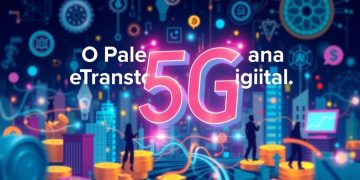
The Role of 5G in the Revolution of Industry 4.0

The introduction of 5G technology is revolutionizing Industry 4.0 by enhancing connectivity, speed, and efficiency in manufacturing. Its capabilities facilitate smart manufacturing, remote monitoring, and advanced automation, leading to increased productivity and safety, while also addressing data security challenges. Embracing 5G is crucial for future industrial innovation.

Telemedicine: The New Frontier of Digital Health and Its Innovations

Telemedicine is revolutionizing healthcare by enhancing accessibility, convenience, and cost-effectiveness. This innovative approach empowers patients through real-time health monitoring, improved communication, and the integration of AI technologies, fostering a more efficient, patient-centered system that breaks down geographical barriers and supports interdisciplinary collaboration in digital health.