
The Impact of Virtual Economies on E-commerce: Opportunities and Challenges
Understanding Virtual Economies
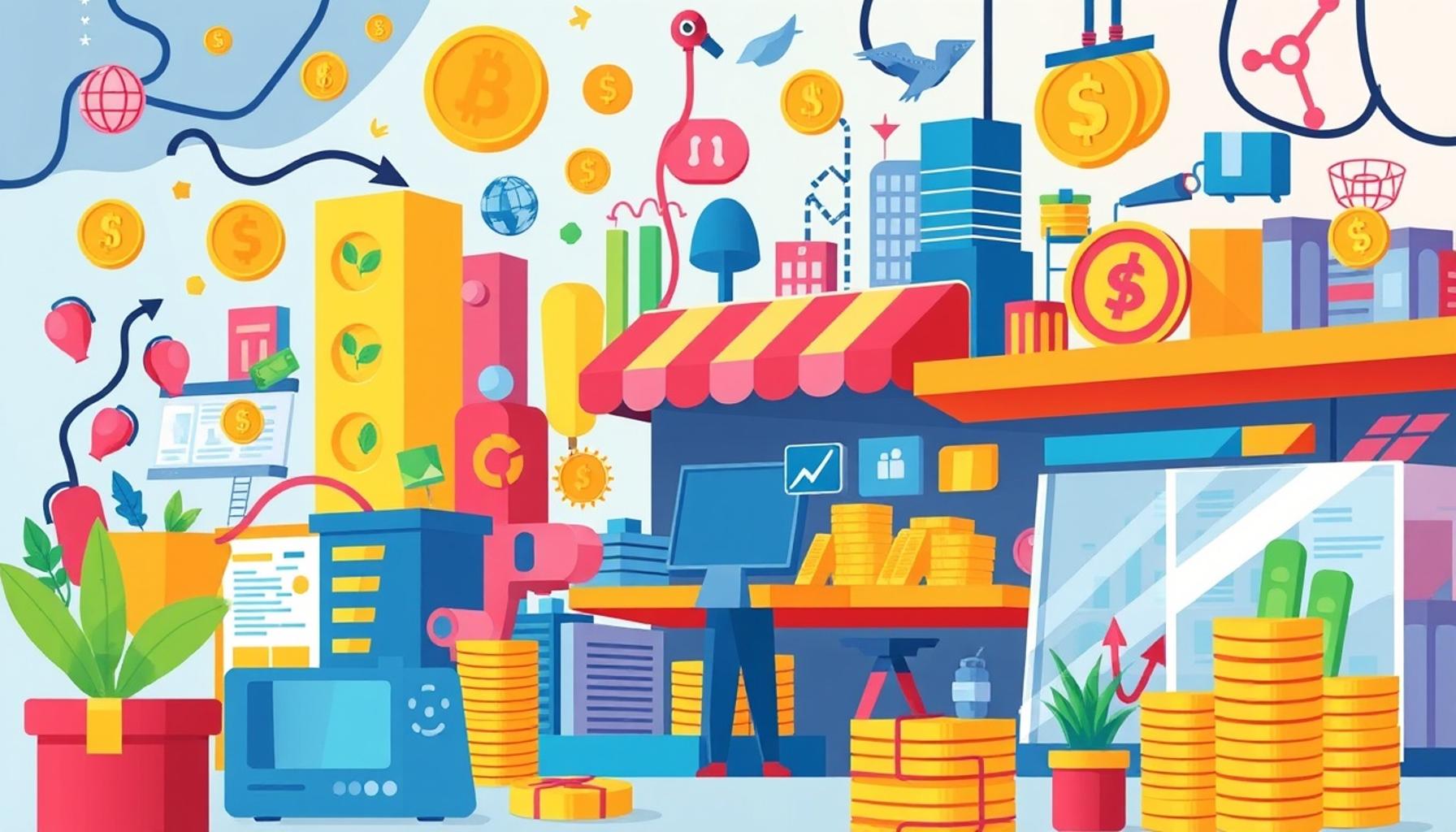
The evolution of virtual economies has sparked significant changes in the world of e-commerce. Online gaming platforms, digital currencies, and virtual marketplaces have become integral to how businesses operate today. This transformation offers exciting opportunities while also presenting formidable challenges for companies navigating this new terrain.
Exciting Opportunities
One of the most compelling benefits of virtual economies is the potential for enhanced customer engagement. Businesses can create immersive experiences that allow customers to interact with products in unprecedented ways. For instance, augmented reality (AR) applications let users visualize how furniture looks in their home before making a purchase, thereby bridging the gap between online and offline shopping.
Additionally, there are new revenue streams generated through digital goods and services. Virtual items in games, non-fungible tokens (NFTs), and subscription-based models are a few examples. Take, for example, video games where players can purchase skins or special gear that enhance their gaming experience. These purchases represent a significant financial opportunity for game developers and content creators alike.
Access to global markets without geographical limitations has also transformed e-commerce. A small business in the United States can sell handcrafted items to customers halfway across the world, thanks to platforms like Etsy and Shopify. This globalization broadens the potential customer base and opens doors to diverse markets that were previously inaccessible.
Formidable Challenges
However, navigating through these opportunities isn’t without its difficulties. One of the primary challenges businesses face is dealing with regulatory hurdles surrounding virtual currencies. Countries have varying laws concerning the use of cryptocurrencies, leading to confusion and compliance issues for international trade. For example, the restrictions on Bitcoin transactions in China present a complex landscape for businesses looking to expand globally.
In addition to regulatory issues, there are also security risks associated with online transactions and digital assets. Cyberattacks targeting financial information or digital wallets are on the rise. Companies must invest in robust cybersecurity measures to protect their customers and themselves against potential breaches.
Lastly, the need for balancing virtual and real-world economies cannot be overlooked. As virtual currencies gain popularity, there is concern over their impact on traditional financial systems. For example, runaway inflation in virtual currencies could create economic instability, affecting consumer confidence and spending behavior.
As e-commerce continues to adapt to these rapidly evolving virtual realities, businesses must remain informed and agile. Grasping the nuances of virtual economies is vital for harnessing their potential effectively. By understanding both the opportunities and challenges, companies can strategically position themselves for success in this dynamic landscape.
DISCOVER MORE: Click here to find out how to get free Shein clothes!
Navigating the New Landscape of E-commerce
As businesses explore the rich terrain of virtual economies, it is essential to recognize how these dynamics reshape e-commerce strategies. The advent of virtual economies introduces innovative marketing strategies that can significantly enhance brand visibility. For example, companies can partner with popular online influencers or content creators within virtual worlds to promote their products, effectively tapping into vast audiences that align with their target market.
This concept of influencer marketing is not limited to traditional social media platforms. In gaming, where users often idolize prominent figures within their favorite virtual realms, brands can leverage these influencers to drive engagement and sales. A gaming company might collaborate with a popular streamer to feature their new game, engaging viewers who are eager to connect with both the influencer and the product being showcased. This approach not only increases the visibility of the brand but also builds trust and authenticity among potential customers.
Moreover, advanced analytics is another opportunity that virtual economies present. Businesses can gather valuable consumer data through interactions within virtual environments, enabling them to tailor their offerings to meet customer demands more effectively. By assessing user behaviors and preferences, companies can fine-tune their product lines, optimize marketing strategies, and enhance user experiences. For instance, a retailer might analyze data from virtual shopping experiences to determine popular items and trends, allowing them to stock their physical or online stores accordingly.
While these opportunities are promising, companies must also contend with the complexities of implementation. In the fast-paced world of virtual currencies and digital goods, companies often find themselves racing against competitors who are equally eager to capitalize on these trends. This competitive pressure can lead to a rushed approach, resulting in inadequate planning and execution, which can harm a brand’s reputation if not managed properly.
- Increased Competition: As more businesses enter the virtual economy, standing out becomes critical. Companies must continuously innovate their marketing tactics to remain relevant.
- Adapting to New Technologies: The technology needed to integrate virtual economies into e-commerce operations can be complex and costly, requiring businesses to invest in training and infrastructure.
- Customer Education: Brands must educate their customers about using virtual currencies or engaging with digital goods to ensure a seamless purchasing experience.
In summary, while the rise of virtual economies presents exciting opportunities for e-commerce, businesses must also navigate a landscape characterized by rapid change and unique challenges. The ability to adapt to these new market conditions will determine whether companies thrive or falter in this innovative yet unpredictable environment.
DISCOVER MORE: Click here for expert tips on boosting your savings plans
Harnessing the Power of Virtual Engagement
In addition to innovative marketing strategies and enhanced analytics, the rise of virtual economies brings forth considerable opportunities for engagement that can drive e-commerce forward. Virtual environments allow brands to create immersive experiences that captivate consumers and foster a deeper emotional connection with their products. For instance, brands can set up virtual showrooms or interactive events within popular video games where users can explore and experience the brand in a fun, engaging manner.
One impactful example is the collaboration between Nike and the gaming platform Fortnite, where the sportswear brand released exclusive in-game sneakers. Players not only had the chance to showcase their virtual style but also felt a connection with the brand, ultimately translating to increased brand loyalty in the real world. This blending of digital and physical can transform consumers from passive observers into active participants, enhancing the shopping experience.
Furthermore, gamification plays a crucial role in driving customer engagement. By incorporating game-like elements into their e-commerce platforms, brands can create a sense of competition and reward that motivates consumer interaction. Loyalty programs that offer points for purchases that can be used for virtual items or discounts can enhance customer retention rates. Gamification not only encourages repeat purchases but also creates a fun environment that makes shopping feel less transactional and more like an experience.
Challenges in Balancing Digital and Traditional Commerce
Despite the vibrant opportunities inherent in the virtual economy, companies must also face challenges that can complicate this integration. One such challenge is the need to maintain a balance between online and offline sales. Businesses may find that while engaging customers through virtual economies is effective, it should not detract from traditional sales channels. Striking the right balance requires a strategic approach, ensuring that both platforms complement each other rather than compete.
Market fluctuations can also disrupt digital economies. Virtual currencies can be subject to volatile changes in value due to supply and demand, impacting how consumers perceive value in both the virtual and real-world contexts. For instance, if a game’s in-game currency suddenly skyrockets in value, consumers may reconsider their purchasing behavior, impacting sales. Companies need to monitor these fluctuations and adapt their pricing strategies accordingly to maintain their competitiveness.
- Customer Trust: Building trust in virtual transactions can be challenging. Companies need to ensure that their platforms are secure to protect users’ data and encourage purchases.
- Market Saturation: As more businesses explore virtual economies, the market can become crowded. It is crucial for brands to find unique ways to distinguish themselves.
- Legal Compliance: Different jurisdictions may have varying regulations for virtual economies. Companies must stay informed about legal landscapes to ensure compliance.
These hurdles underline the necessity for companies to stay agile and proactive in responding to an ever-evolving digital landscape. By addressing these challenges head-on, businesses can harness the power of virtual economies to enrich their e-commerce strategies effectively.
LEARN MORE: Click here to optimize your investment strategy
Conclusion
The exploration of virtual economies reveals a landscape rich with both opportunities and challenges for e-commerce. As brands leverage immersive experiences and gamification to engage consumers, they are not only enhancing customer interaction but also fostering long-term loyalty. The example of Nike’s collaboration with Fortnite underscores how effectively brands can create meaningful connections in virtual spaces, transforming shopping from a mere transaction into an engaging experience.
However, as companies navigate this dynamic environment, they must remain vigilant in addressing the inherent challenges. Achieving equilibrium between virtual and traditional sales channels is crucial for sustained growth. Additionally, market volatility and consumer trust must be carefully managed to protect both businesses and their clientele. Brands need to stay adaptable to changing regulations and competitive landscapes, ensuring they stand out in an increasingly crowded market.
Ultimately, the merging of virtual economies with e-commerce is a promising yet intricate journey. Businesses that can innovate while also respecting the principles of trust, balance, and compliance will likely find great success. As we continue moving toward a more digital future, it is essential for brands to embrace these changes and thoughtfully integrate them into their strategies. In doing so, they can unlock the full potential of the virtual economy, paving the way for a new era of consumer engagement and commerce.

Linda Carter
Linda Carter is a writer and expert known for producing clear, engaging, and easy-to-understand content. With solid experience guiding people in achieving their goals, she shares valuable insights and practical guidance. Her mission is to support readers in making informed choices and achieving significant progress.