The Rise of NFTs: How Online Culture is Transforming Art and Entertainment
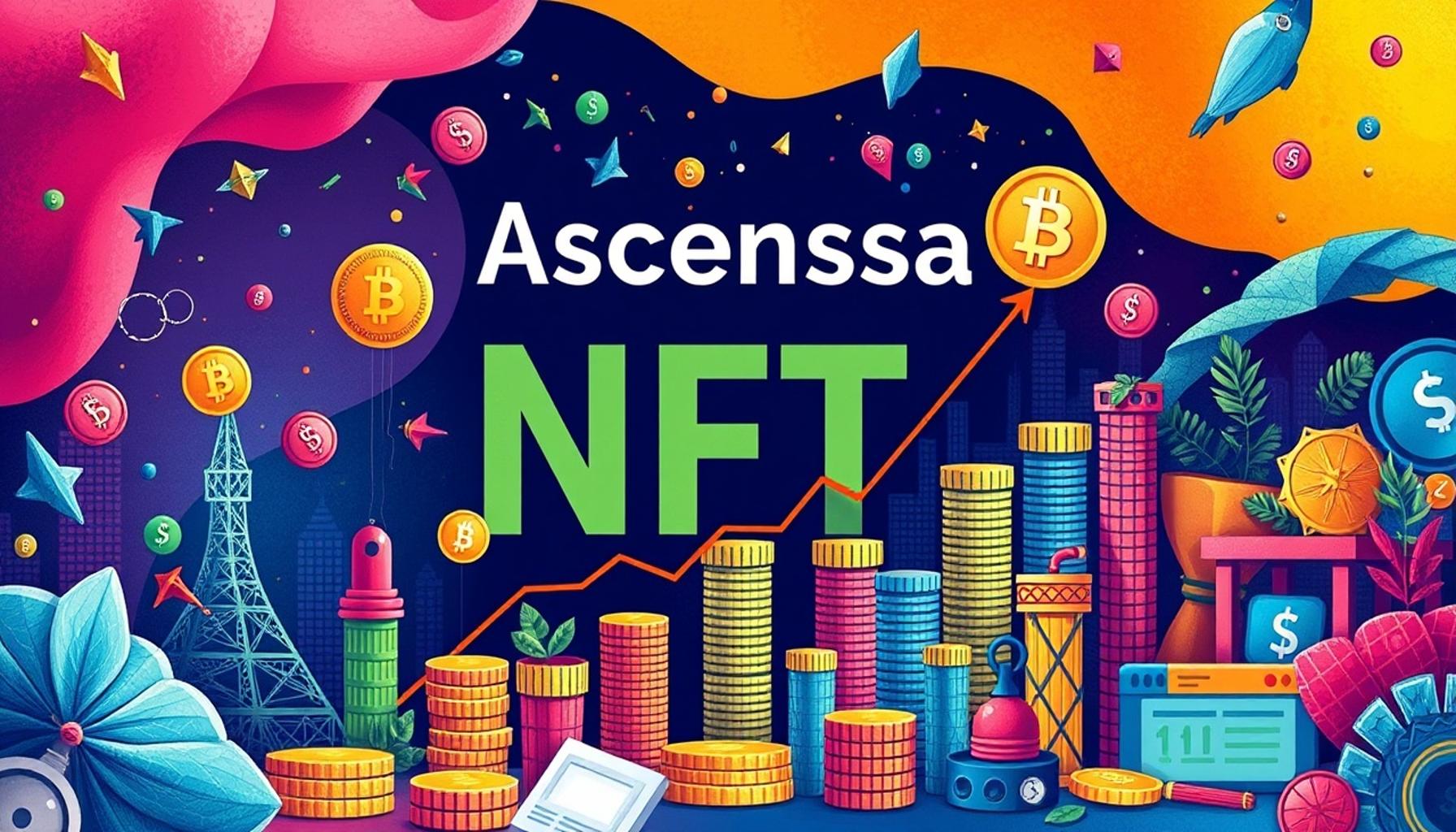
Understanding NFTs in Today’s Creative Landscape
In recent years, non-fungible tokens (NFTs) have emerged as a revolutionary force in the world of art and entertainment. These digital assets, backed by blockchain technology, have fundamentally changed how creators and consumers interact with various forms of creativity. Unlike traditional currencies or even cryptocurrencies, which are fungible and can be exchanged on a one-to-one basis, NFTs are unique digital items that cannot be replaced with something else. This uniqueness makes them particularly valuable in the realms of digital art, music, and other creative expressions.
This shift is characterized by several key factors:
- Ownership: NFTs allow artists to sell verified ownership of their work, creating a new revenue stream. For instance, when an artist sells an NFT of their artwork, they not only make a sale but also retain certain rights or receive royalties on future resale, ensuring they benefit from the increasing value of their work.
- Accessibility: Artists from around the world can showcase their creations on global platforms without traditional gatekeepers. Unlike the conventional art world, where gallery exhibitions may limit exposure, the NFT marketplace empowers artists to reach a broader audience directly through platforms like OpenSea and Rarible.
- Innovation: The technology encourages new formats, such as digital art, music, and collectibles. Take, for example, popular musician Kings of Leon, who released an album as an NFT, offering exclusive content and experiences, thereby blurring the lines between music and art.
As more creators embrace this technology, the implications for the art and entertainment industries are profound. You may have heard of high-profile NFT sales, like works by digital artist Beeple, which sold for millions at Christie’s auction house. This sale marked a pivotal moment, signaling to both collectors and the general public that digital art holds significant value. But the impact does not stop at visual art; it extends to music, gaming, and even virtual real estate.
For instance, in the gaming world, NFTs are revolutionizing how players buy and sell in-game assets, with titles like Axie Infinity allowing users to trade creatures as NFTs. Furthermore, virtual worlds such as Decentraland are offering digital land as NFTs, providing investors and creators with opportunities to build and monetize virtual experiences.
Understanding the rise of NFTs is essential for anyone interested in modern culture and its ever-evolving landscape. This transformation reveals new opportunities and challenges for artists and consumers alike, shaping the future of creativity in the digital age. As technology continues to develop, the potential for NFTs may expand even further, making it essential for enthusiasts to stay informed about this dynamic intersection of technology and creativity.
LEARN MORE: Click here to discover how to secure quality medical care
Navigating the NFT Marketplace
The concept of NFTs has sparked a wave of interest and curiosity among creators and audiences alike. To fully appreciate their impact, it’s crucial to understand how the NFT marketplace operates and what makes it distinct from traditional art and entertainment sales.
The NFT marketplace is a decentralized platform where individuals can buy, sell, and trade unique digital assets. Unlike physical art forms, NFTs exist in a purely digital realm, providing unprecedented access to creators and collectors. Here are several key characteristics that define this vibrant marketplace:
- Transparency: Each NFT transaction is recorded on a blockchain, ensuring that ownership and authenticity can be easily verified. This transparency builds trust between artists and buyers, minimizing the risk of forgery that often plagues traditional art markets.
- Liquidity: NFTs can be bought or sold at any time, allowing creators to take advantage of shifting market trends. This fluidity contrasts sharply with conventional art sales, which often require finding a specific buyer and can take months or even years to complete.
- Community Engagement: Many NFT platforms incorporate social features that allow creators and collectors to interact, share, and collaborate. This engagement fosters a sense of community, enabling buyers to connect personally with the artists and their work.
As an artist or creator, diving into the NFT space can be both exciting and daunting. To help ease this transition, it’s essential to consider a few introductory steps:
- Research Platforms: Explore various NFT marketplaces like Foundation, SuperRare, or Nifty Gateway. Each platform has unique features, audience demographics, and fee structures, so choosing the right one for your artwork is crucial.
- Create Quality Content: Focus on producing high-quality work that reflects your artistic style. The appeal of your NFTs will significantly influence their value, so invest time in curating pieces that resonate with potential collectors.
- Engagement Strategies: Promote your work on social media platforms and within NFT communities. Engaging with your audience can create a following, driving demand for your art and enhancing your visibility in the marketplace.
Technology plays a pivotal role in facilitating these transactions and shaping the overall experience within the NFT ecosystem. For instance, creating and selling an NFT can often be accomplished through a few simple steps: minting your artwork into an NFT, setting a price, and listing it for sale. The user-friendly interfaces of most platforms make it easier for even those without technical expertise to participate, democratizing access to the market.
As you participate in this digital revolution, remember that the NFT landscape is constantly evolving. Trends can shift rapidly, and new technologies may alter how digital creativity is perceived and valued. Understanding these dynamics will empower you to navigate the changing world of art and entertainment effectively, ultimately helping you to thrive as a creator in this exciting new space.
DISCOVER MORE: Click here for smart budgeting tips
The Impact of NFTs on Artists and Collectors
The rise of NFTs is not merely a trend but a transformative force reshaping the relationships between artists, collectors, and the art itself. Understanding this impact is essential for anyone interested in the future of creativity and investment in the digital landscape.
For artists, NFTs offer a revolutionary way to monetize their work beyond traditional selling methods. With the potential for royalties on resales, creators can continue to earn income as their art increases in value. Many NFT platforms allow artists to establish a royalty percentage, ensuring they benefit from future transactions. For instance, if a digital artwork is originally sold for $1,000 and later resold for $10,000, the artist can receive a share of that $9,000 difference each time the piece changes hands.
Moreover, NFTs empower artists by providing greater control over their work. In the past, artists often had to rely on galleries or intermediaries for exposure and sales, resulting in limited opportunities and reduced earnings. Today, artists can directly reach their audience through social media and NFT marketplaces, building their brand and connecting with fans worldwide. This shift democratizes the art world, allowing diverse voices to shine and thrive.
On the flip side, collectors are also experiencing a significant transformation in how they acquire and value art. The uniqueness and verifiable ownership of NFTs create a new form of scarcity in the digital realm, which collectors highly value. The appeal of owning a one-of-a-kind digital asset can evoke the same sense of pride often associated with traditional art collections. As collectors engage in this new market, they are not just purchasing art; they are buying into a community and supporting their favorite creators directly.
The emotional connection between collectors and creators is further enhanced by the dynamic nature of NFTs. Many artists regularly offer exclusive content or “unlockable” features with their NFTs, allowing collectors to engage in unique experiences. For example, an artist might include behind-the-scenes footage, early access to future releases, or even personal one-on-one reviews with the buyer. This approach creates not only a transaction but a relationship, fostering engagement that transcends the digital artwork itself.
As NFTs gain traction, they have also opened up discussions about the environmental impact of blockchain technology. The high energy consumption associated with the Ethereum blockchain used by many NFT platforms has spurred conversations about sustainability within the art world. Artists and buyers are increasingly seeking platforms that use sustainable practices to mitigate their carbon footprint, prompting a shift toward eco-friendly blockchain solutions. Platforms like Tezos and Flow focus on lower energy consumption while offering similar NFT capabilities, allowing creators and collectors to participate without compromising their values.
In terms of demographics, the NFT realm attracts a younger, tech-savvy audience that values innovation and digital interaction. This shift taps into a growing segment of millennials and Gen Z consumers who find traditional art spaces less accessible or relevant to their shared cultural experiences. By embracing the NFT space, artists can engage with a vibrant community that prioritizes inclusivity and creative experimentation.
As we explore how NFTs continue to shape the future of art and entertainment, it’s essential to recognize that this evolution is still unfolding. With each new platform, project, and artist, the conversation around digital ownership, accessibility, and sustainability will only deepen, challenging both creators and collectors to navigate this exciting landscape thoughtfully.
DISCOVER MORE: Click here to learn how to maximize your tax benefits
Conclusion
In conclusion, the rise of NFTs marks a significant turning point in the worlds of art and entertainment, driven by the power of online culture and technology. As we navigate this groundbreaking shift, it is clear that NFTs are not just a fleeting phenomenon but rather a new frontier in how we create, buy, and engage with art. Artists now possess the ability to leverage direct connections with their audience, allowing for the democratization of creative expression that encourages diverse voices and talent to flourish.
For collectors, the NFT landscape offers a fresh perspective on acquiring art, providing a unique blend of ownership, community, and emotional engagement. The excitement surrounding digital assets fosters an inclusive environment, drawing in younger, tech-savvy audiences eager to explore the intersection of culture and innovation. Moreover, the burgeoning conversation regarding the environmental impact of blockchain technology signals a growing awareness among creators and collectors about sustainability, prompting a shift towards more eco-friendly practices.
As we look ahead, the continued evolution of NFTs will reshape the art and entertainment industries in ways we have yet to fully comprehend. It is paramount for both creators and collectors to remain adaptable and engaged in this dynamic landscape, embracing new opportunities while considering the long-term implications of their involvement in the NFT space. Ultimately, the future of art and entertainment will be defined by how well we balance creativity, community, and consciousness in this rapidly changing digital era.

Linda Carter
Linda Carter is a writer and expert known for producing clear, engaging, and easy-to-understand content. With solid experience guiding people in achieving their goals, she shares valuable insights and practical guidance. Her mission is to support readers in making informed choices and achieving significant progress.