
Impact of Artificial Intelligence on Job Automation
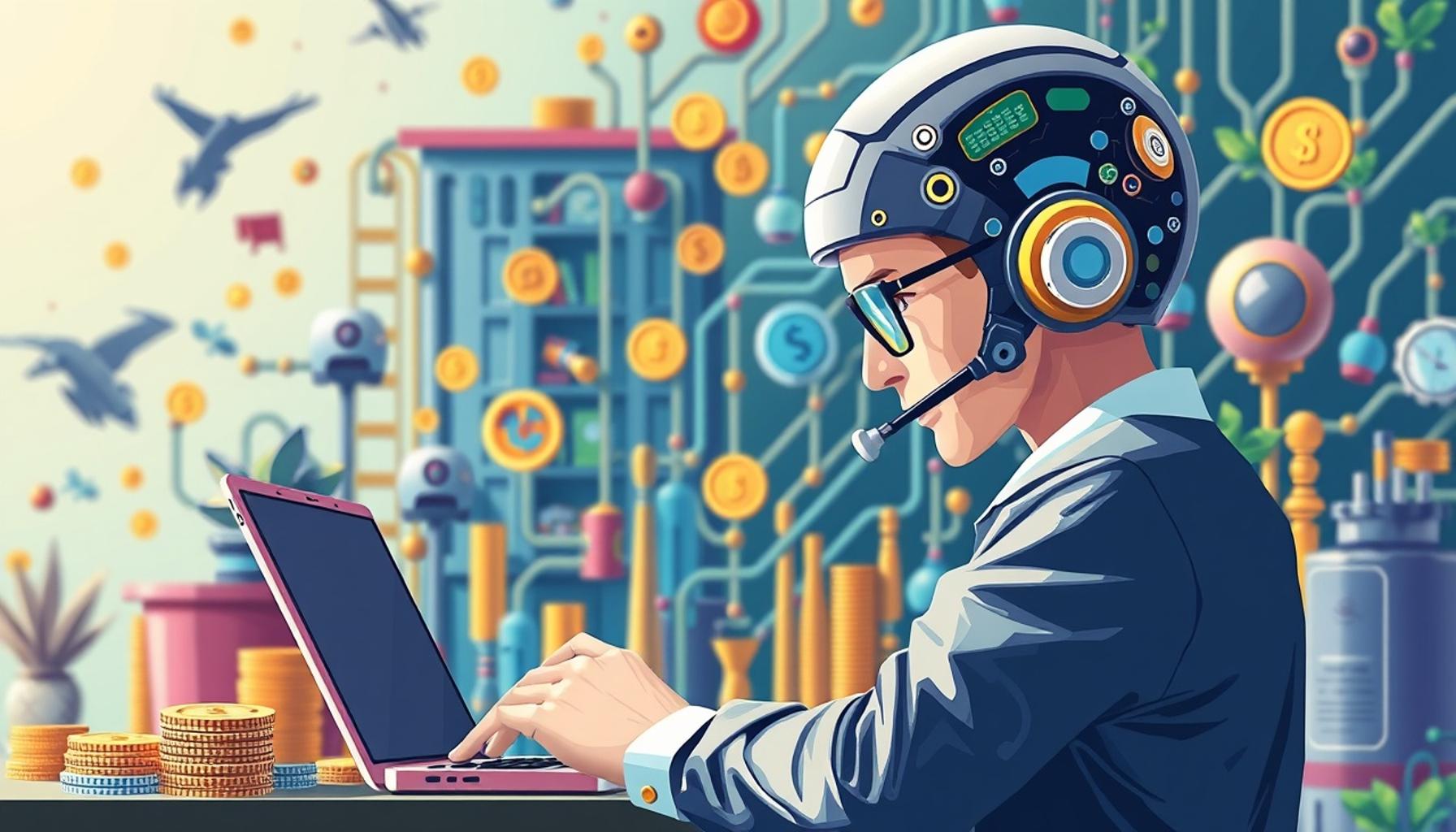
The Changing Landscape of Employment
As the landscape of employment undergoes a seismic shift due to technological advancements, understanding the role of artificial intelligence (AI) becomes increasingly important. AI’s emergence brings both challenges and opportunities for the workforce across numerous sectors. Companies are leveraging AI to not only enhance performance but also cut costs, fundamentally changing how and where work gets done.
Efficiency and Productivity
One of the most significant advantages of AI is its ability to enhance efficiency and productivity. For example, in the financial sector, AI algorithms can analyze vast datasets at unprecedented speeds, helping to predict stock market trends or assess risk factors for investments. This increased capacity means that tasks which once took hours of human labor can now be completed in mere minutes, allowing employees to focus on more strategic, value-added activities.
Job Displacement
However, this efficiency often comes at a cost. Certain roles, particularly those that involve repetitive tasks, face a high risk of automation. For instance, customer service jobs that rely on basic queries can be replaced by AI-powered chatbots, which can provide round-the-clock support without human intervention. Similarly, positions in manufacturing increasingly involve robots that handle assembly lines, reducing the need for human workers. The International Labour Organization estimates that up to 800 million jobs worldwide could be affected by automation by 2030.
New Job Opportunities
While some jobs may be eliminated due to AI advancements, it’s important to note that new opportunities will emerge as well. The demand for workers skilled in AI maintenance, data analytics, and programming is expected to grow significantly. For example, companies like Google and Amazon are investing in training programs to help their employees transition into more technical roles that AI cannot easily replicate. This creates a pathway for workers to adapt and thrive in an evolving job market.
The Need for Reskilling and Upskilling
As organizations continue to integrate AI tools, the workforce must prepare for this transition. Reskilling and upskilling programs are essential to equip employees with the necessary skills to thrive in a technology-driven environment. Companies are encouraged to invest in comprehensive training initiatives that not only focus on technical skills but also on soft skills like critical thinking and emotional intelligence, which AI cannot replicate.
Conclusion
In summary, the rise of AI is undeniably transforming the job market. By understanding both the risks of job displacement and the potential for new opportunities, workers and organizations can take proactive measures to navigate this evolving landscape. Cultivating a workforce that is resilient and adaptable will ensure that technology and human labor can coexist harmoniously, fostering a future of innovation and growth.
DIVE DEEPER: Click here to learn how to enhance your savings plans
Understanding AI and Its Role in Job Automation
Artificial intelligence (AI) encompasses a range of technologies that enable machines to perform tasks that typically require human intelligence. These technologies include machine learning, natural language processing, and robotics, among others. As AI continues to evolve, its application in job automation is transforming traditional roles across various industries. To grasp its full impact, it is essential to consider not just the tasks that are being automated, but also the broader implications for the workforce.
Automation in Different Sectors
AI is making waves in numerous sectors, each experiencing automation in distinct ways. For instance, in the retail industry, AI-powered systems analyze consumer behavior, managing inventory more efficiently while reducing the need for human oversight. Similarly, transportation is on the brink of revolution through autonomous vehicles, which may drastically shift how goods and people are moved, potentially displacing truck drivers or taxi operators.
- Healthcare: AI applications are assisting doctors in diagnosing diseases by analyzing medical images faster and more accurately than human eyes can. This not only aids in early detection but also reduces the administrative burden on healthcare professionals.
- Finance: Algorithms can process transactions and monitor fraud with remarkable speed, decreasing the need for manual intervention in accounting and auditing tasks. This shift allows finance professionals to focus on analysis rather than data entry.
- Manufacturing: Robots now perform complex assembly tasks that once required human skill, resulting in increased production rates and enhanced quality control. However, the shift toward automated processes may lead to layoffs in traditional manufacturing roles.
Challenges and Concerns of Automation
Despite the benefits AI brings to productivity and efficiency, there are legitimate concerns regarding its impact on employment. The fear of wide-scale job loss often overshadows the positive aspects of job creation and evolution. Many workers may find themselves displaced or underprepared for tasks that require new skills and knowledge. It’s crucial to recognize the emotional and psychological implications of automation on individuals, as job loss can lead to instability and uncertainty for many families.
Furthermore, the growing reliance on AI raises ethical questions about decision-making processes. Who is responsible for AI errors, and what safeguards are in place to protect workers? As technology becomes more embedded in everyday operations, ensuring transparency and accountability becomes paramount.
Preparing for the Future of Work
Looking forward, businesses and employees alike must embrace the changing nature of work driven by AI. This preparation involves not only technological implementation but also developing a robust framework for workforce adaptation. Engaging with educational institutions to promote STEM (science, technology, engineering, and mathematics) skills is essential to ensure that future workers are equipped for the roles that AI will create rather than eliminate.
In conclusion, the impact of artificial intelligence on job automation is a multifaceted issue requiring thoughtful consideration. By understanding the landscape of job automation, we can cultivate a workforce that is not only prepared for change but is also capable of thriving in a technology-driven environment.
DISCOVER MORE: Click here to unlock your free outfits
Navigating the Transition: Opportunities and Strategies
As AI continues to reshape industries, understanding how to navigate this transition is essential for both businesses and workers. While the fear of job loss often dominates discussions, there are also significant opportunities for growth and adaptation. With the right strategies in place, workers can transition into new roles that complement AI technologies rather than fight against them.
Reskilling and Upskilling Workers
One of the most critical responses to job automation is the reskilling and upskilling of the workforce. Many roles will evolve, requiring employees to adapt their skill sets to remain relevant. For example, in the manufacturing sector, workers who were once solely responsible for assembly can transition into roles that involve overseeing robotic systems or quality control analytics. Training programs focused on technology literacy, coding, and machine learning fundamentals can provide workers with the tools they need to thrive in an AI-driven market.
Public-private partnerships can play an influential role in this effort. Companies can collaborate with local educational institutions to develop tailored training programs that reflect the specific needs of their industry. Community colleges and online educational platforms offer courses that are increasingly aligned with the evolving job landscape, making it easier for individuals to gain relevant qualifications while working.
The Rise of New Job Categories
In addition to reskilling, we must recognize that AI is creating entirely new job categories. For instance, positions such as AI ethicists, data scientists, and robot maintenance specialists are becoming increasingly necessary. These roles focus on overseeing AI implementation, ensuring ethical guidelines are met, and maintaining the systems that underpin automations. Recognizing the emergence of these new job categories can help workers pivot toward opportunities that arise from advancements in AI.
- AI trainers: As AI systems require human supervision to learn effectively, trainers help teach machines the nuances of human behavior and language, ensuring accurate outputs.
- Cybersecurity professionals: With greater automation comes an increased risk of cyber threats, leading to a rising demand for experts who can protect systems from potential attacks.
Fostering a Growth Mindset
To successfully navigate the shifting landscape of work, individuals must cultivate a growth mindset. This perspective encourages flexibility and adaptability, emphasizing that learning and improvement are continuous processes rather than finite goals. Organizations can promote this mindset by supporting their employees through mentoring and continuous education opportunities. Companies that prioritize learning and development create a more resilient workforce that can effectively withstand changes brought about by technology.
Moreover, fostering a culture of innovation within organizations allows employees to feel empowered to explore new ideas and solutions. Companies that welcome suggestions from employees can tap into the collective intelligence of their teams, resulting in enhanced collaboration between human workers and AI technologies.
Creating Inclusive Policies and Support Structures
Finally, to mitigate the risks associated with job automation, it is imperative that businesses and policymakers work together to create inclusive policies that support affected workers. This could involve safety nets, such as unemployment benefits and job placement services, which assist individuals through the transition period. Effective public policies can help cushion the blow for workers whose roles may become obsolete while providing pathways to new opportunities.
By being proactive in creating supportive environments and implementing comprehensive training programs, companies can ensure that their workforce is well-equipped to meet the challenges posed by AI. Embracing change as an opportunity for growth rather than a threat will be crucial in shaping the future of work in an AI-driven world.
DISCOVER MORE: Click here for your chance to score free outfits!
Conclusion
As we stand on the brink of an AI-driven era, the impact of artificial intelligence on job automation is undeniable. However, instead of approaching this transformation with trepidation, we should view it as an opportunity for growth and evolution in the workplace. The concerns surrounding job displacement are valid, yet they are accompanied by a wave of new possibilities that can redefine the labor landscape.
The key to navigating this shift lies in proactive measures such as reskilling and upskilling the workforce. By equipping workers with the necessary skills to adapt to emerging technologies, we can foster resilience and innovation in the face of change. Simultaneously, recognizing and embracing the creation of new job categories, such as AI trainers and cybersecurity specialists, allows us to pivot towards roles that will thrive in an automated future.
Establishing a growth mindset and cultivating a culture of learning will be essential for both individuals and organizations. By promoting continuous education and embracing innovation, businesses can empower their workforce to collaborate effectively with AI, enhancing productivity and job satisfaction.
Ultimately, the journey through job automation requires collaboration among businesses, educational institutions, and policymakers. Together, we can create inclusive strategies that support workers, ensuring a smoother transition and reducing the impact of potential job losses. As we move forward, let us embrace the changes brought about by AI not as threats, but as stepping stones toward a more dynamic and fulfilling future of work.

Linda Carter
Linda Carter is a writer and expert known for producing clear, engaging, and easy-to-understand content. With solid experience guiding people in achieving their goals, she shares valuable insights and practical guidance. Her mission is to support readers in making informed choices and achieving significant progress.