
Telemedicine: The New Frontier of Digital Health and Its Innovations
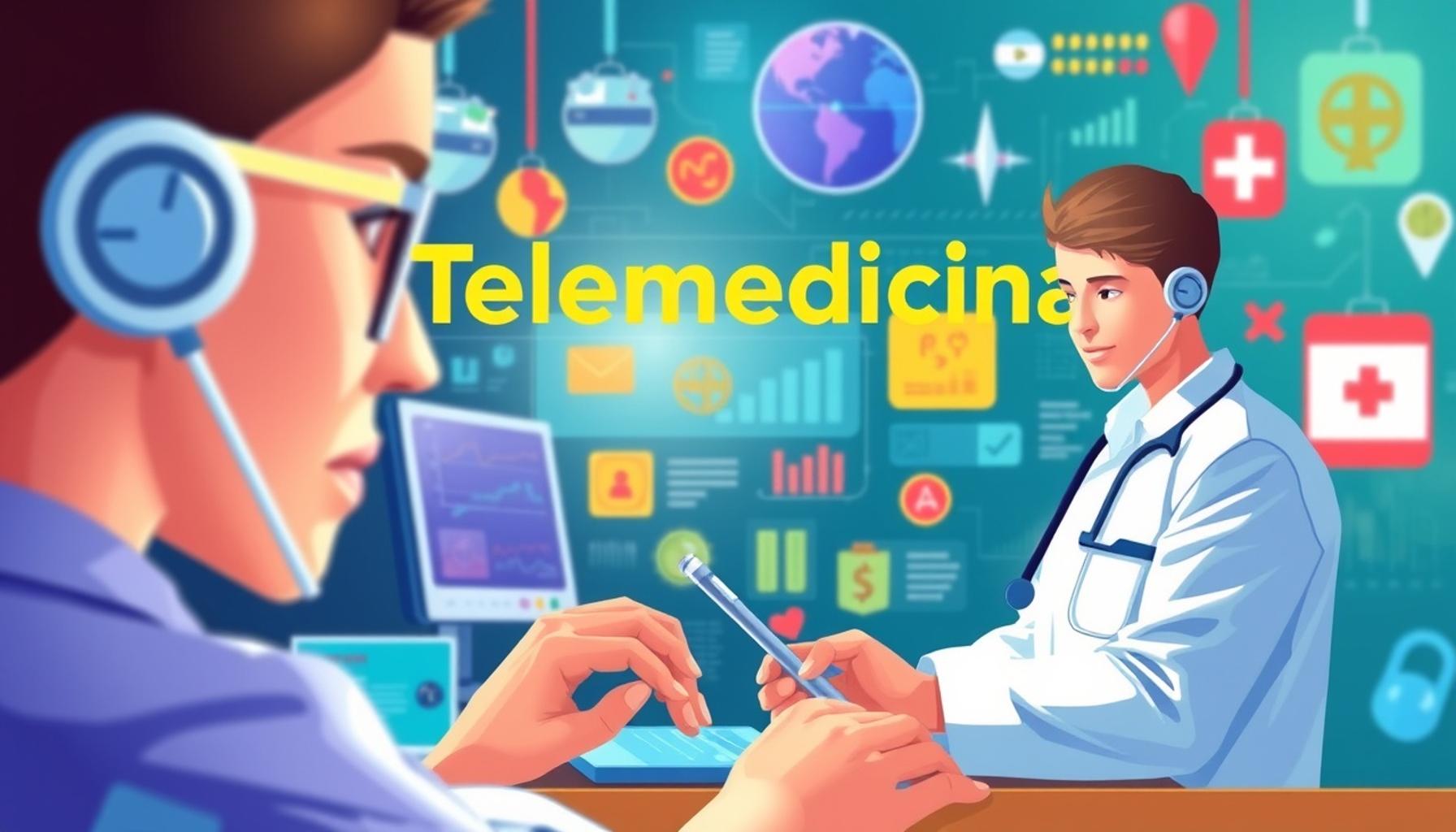
Understanding the Impact of Telemedicine
Telemedicine is reshaping how patients and providers interact, making healthcare more approachable and reducing barriers that have long existed in the medical field. Historically, patients in rural areas faced challenges in accessing specialized care, often having to travel hours to visit a doctor. Now, through telemedicine, these patients can consult with top specialists via video calls, texts, or secure messaging platforms, ensuring they receive the care they need without the associated burdens of travel.
Accessibility is a cornerstone of telemedicine. For instance, consider a patient living in a remote town in Montana who needs to see a dermatologist for a skin condition. Instead of making a long trip to a distant city, they can schedule a virtual appointment and receive a diagnosis or treatment plan directly from a qualified doctor from the comfort of their living room. This accessibility is especially vital for individuals with mobility issues or those who lack reliable transportation.
Beyond just accessibility, the convenience factor plays a crucial role in promoting the usage of telemedicine. Patients can book appointments that fit their schedules without taking significant time off work. For example, a busy professional in New York City may find it challenging to take an hour out of their day for a simple check-up. However, telemedicine allows them to see their doctor during a lunch break, making healthcare more manageable and less disruptive to daily life.
Another important aspect is the cost-effectiveness of virtual visits. On average, telemedicine appointments tend to be less expensive than in-person visits, reflecting savings related to travel and facility overhead. Health insurance plans have increasingly started covering telemedicine services, making these options financially viable for many Americans. For example, a straightforward consultation that might cost $150 in person may be available for $75 through a telehealth service.
Technological Innovations Driving Telemedicine
Technological advancements are continuously propelling telemedicine into the future, enhancing the depth and quality of care available to patients. One significant innovation is the proliferation of wearable devices, such as the Apple Watch or Fitbit, which enable constant health monitoring. These devices can track vital signs in real-time, sending data to healthcare providers who can respond quickly if any abnormal readings are detected.
Additionally, AI-driven diagnostics are revolutionizing how patients are assessed. For instance, AI algorithms can analyze symptoms reported by patients, rapidly identifying potential conditions and suggesting treatment options. This can be particularly beneficial in situations where time is critical, such as diagnosing a stroke or heart attack.
Furthermore, the rise of mobile health apps has empowered patients to take charge of their healthcare. Many of these apps offer personalized health management tools, like medication reminders or symptom trackers, fostering greater engagement in personal health. For example, someone managing diabetes may benefit from an app that monitors their blood sugar levels and provides insights or alerts when their levels are outside the safe range.
As telemedicine evolves, it is clear that it presents an innovative path toward a more inclusive, efficient, and patient-centered healthcare system in the United States. By embracing these advancements, both patients and providers can engage in a more meaningful and effective manner, paving the way for a healthier future.
DISCOVER MORE: Click here for the full guide
Revolutionizing Patient Care through Telemedicine
Telemedicine is not just about providing remote consultations; it represents a comprehensive shift in how healthcare is delivered and experienced. By leveraging technology, telemedicine creates opportunities for more personalized care and promotes healthier lifestyles. This transformation is notable in several key areas, including real-time health monitoring, improved communication, and data integration.
Real-time health monitoring is a game changer for chronic disease management. Patients with conditions such as hypertension or diabetes can use connected devices that continuously track their health metrics. For example, a blood pressure monitor that syncs with a mobile app can send readings directly to a healthcare provider. If a reading is too high or too low, the provider can quickly intervene, often before a patient’s condition worsens. This proactive approach not only improves patient health outcomes but also potentially reduces emergency room visits and hospitalizations.
In addition to monitoring, improved communication between patients and healthcare providers is another crucial aspect of telemedicine. Traditionally, patients often struggled to connect with their doctors, resulting in missed appointments or lack of follow-up. Telemedicine breaks down these barriers by providing various communication platforms such as instant messaging, video calls, and email consultations. For instance, a patient managing anxiety can easily check in with a therapist through a video call, which can help maintain regular contact and foster a supportive environment. This open line of communication reassures patients, allowing them to feel more engaged and supported in their health journeys.
Data integration is yet another innovation enhancing telemedicine’s effectiveness. As healthcare systems evolve, the need to consolidate patient data from multiple sources becomes paramount. Telemedicine platforms often come equipped with features that allow providers to access electronic health records (EHR) seamlessly. For example, through a telemedicine platform, a primary care physician can easily review a patient’s lab results and medication history during a virtual appointment. This holistic view of a patient’s health history enables providers to make more informed decisions about treatment options, thereby enhancing the quality of care.
Furthermore, telemedicine is increasingly integrating behavioral health support into standard healthcare offerings. Mental health issues have seen a significant rise, particularly in the wake of the COVID-19 pandemic. Telemedicine provides an accessible outlet for individuals seeking mental health resources. A simple video call with a psychologist can lead to meaningful guidance and strategy development, making it easier for those in need to seek help. The flexibility offered by teletherapy allows patients to schedule sessions in a comfortable setting, reducing the stigma associated with visiting a mental health professional.
- Real-time health monitoring enhances chronic disease management.
- Improved communication encourages ongoing patient-provider engagement.
- Data integration ensures a comprehensive view of patient health.
- Behavioral health support addresses rising mental health challenges.
As we explore deeper into how telemedicine is changing the landscape of healthcare, it becomes clear that the innovations it brings are setting a precedent for a more effective, accessible, and patient-focused system. The future of telemedicine is not just a passing trend; it signifies a profound evolution in how we approach health and wellness in the 21st century.
DISCOVER MORE: Click here to find out how to get free clothes on Shein
Enhancing Accessibility and Efficiency through Telemedicine
One of the most significant advantages of telemedicine is its ability to enhance accessibility to healthcare services, particularly for individuals in rural or underserved areas. In the United States, many residents face geographical barriers that limit their access to specialized healthcare providers. Telemedicine bridges this gap by allowing patients to connect with specialists without the need to travel long distances. For instance, a patient in a remote town can consult with a cardiologist located in a city, saving time and travel costs while receiving expert care.
Moreover, cost-effectiveness is a vital consideration in healthcare delivery, and telemedicine can provide substantial savings for both patients and healthcare systems. By reducing the need for in-person visits, telemedicine can decrease overhead costs associated with clinic space and staff. Additionally, patients save on travel expenses and can often address health concerns more efficiently during virtual appointments. A study conducted by the American Medical Association (AMA) indicated that telehealth services could save patients an average of $60 per visit compared to traditional in-person consultations.
Furthermore, telemedicine fosters interdisciplinary collaboration among healthcare professionals. In a traditional setting, specialists may work in silos, limiting their ability to share insights on patient care. Telemedicine platforms facilitate real-time collaboration where multiple providers can join a virtual consultation, enabling a more holistic approach to patient management. For example, a patient with multiple chronic conditions could consult with a nutritionist, physical therapist, and primary care physician simultaneously, all while being at home. This team-based approach not only optimizes treatment plans but also enhances accountability within the healthcare system.
Innovation in telemedicine is also reflected through artificial intelligence (AI) and machine learning integration. These advanced technologies help in analyzing patient data, identifying trends, and making recommendations to healthcare providers. AI-powered chatbots can assist with triaging patient concerns, scheduling appointments, or providing initial assessments based on symptoms reported by patients. This innovation streamlines workflows and can result in quicker responses to patient inquiries, reducing the workload on medical staff and allowing them to focus on more complex cases.
In addition to physical health services, telemedicine includes telepharmacy, offering patients the ability to connect with pharmacists remotely for medication management and advice. This is especially beneficial for individuals taking multiple medications, as pharmacists can provide guidance on dosages, potential side effects, and drug interactions. For example, a patient managing diabetes may need regular consultations with a pharmacist to safely adjust insulin levels, and telepharmacy provides that necessary touchpoint without the need for an office visit.
- Accessibility in rural areas opens doors to specialized care.
- Cost-effectiveness reduces financial burdens for patients and healthcare systems.
- Interdisciplinary collaboration enhances team-based patient management.
- Artificial intelligence streamlines workflows and improves patient engagement.
- Telepharmacy supports medication management from a distance.
The reach of telemedicine continues to expand, fueled by technological advancements and the urgent need for accessible healthcare solutions, especially highlighted during public health emergencies. As these innovations grow, they are not only reshaping the delivery of healthcare but also encouraging a culture that prioritizes convenience, inclusivity, and comprehensive patient care.
DISCOVER MORE: Click here to learn how to get free Shein clothes
Conclusion
As we reflect on the transformative journey of telemedicine, it becomes evident that this innovative approach is more than just a reaction to recent global challenges; it represents a fundamental shift in how healthcare services are delivered. With its clear ability to enhance accessibility for patients in remote or underserved regions, telemedicine is dismantling long-standing barriers, ensuring that specialized care is within reach for everyone. By leveraging technology to streamline processes and improve cost-effectiveness, telemedicine not only alleviates financial pressures on patients but also empowers healthcare systems to allocate resources more efficiently.
Moreover, the focus on interdisciplinary collaboration through digital platforms fosters a supportive network where healthcare providers can work together seamlessly. This collective approach optimizes care plans, particularly for patients with complex health needs, ultimately enhancing treatment outcomes. The integration of artificial intelligence further enriches this ecosystem by enhancing analysis and response rates, leaving medical professionals with more time to address critical cases. Additionally, telepharmacy ensures that patients receive essential medication guidance without the obstacles of in-person visits.
Looking ahead, the innovations brought forth by telemedicine are likely to continue evolving, fueled by ongoing technological advancements and changing patient expectations. As we embrace this new frontier in digital health, it is crucial to remain committed to fostering a system that prioritizes patient-centric care while ensuring equity in access for all. In doing so, we not only improve individual healthcare experiences but also work towards a healthier society overall.

Linda Carter
Linda Carter is a writer and expert known for producing clear, engaging, and easy-to-understand content. With solid experience guiding people in achieving their goals, she shares valuable insights and practical guidance. Her mission is to support readers in making informed choices and achieving significant progress.